

Natural Home Remedies for Diabetic Foot Care: What Actually Works (And Why)
⚡ Quick Answer
Effective diabetic foot care natural remedies include daily warm-water soaks with Epsom salt, topical aloe vera and calendula for wound support, neuropathy-targeted supplements like alpha-lipoic acid and magnesium, and consistent moisture-barrier protection with natural oils. These approaches work best when combined with blood sugar management, since circulation and nerve health in the feet are directly tied to glucose control.
📋 Table of Contents
- Why Diabetic Foot Care Demands a Different Approach
- The Science Behind Diabetic Foot Damage — What’s Actually Happening
- Natural Home Remedies for Diabetic Foot Care: A Practical How-To Guide
- Diabetic Foot Care Natural Remedies That Target Neuropathy Pain
- Common Mistakes That Undermine Even the Best Foot Care Routine
- Putting It All Together: A Sustainable Daily Protocol
- ❓ Frequently Asked Questions
Last spring I hit a wall. I had been helping manage a close family member’s type 2 diabetes for years — tracking meals, reviewing labs, adjusting routines — and foot health kept coming up as the stubborn weak point. Her numbers were improving, but her feet told a different story: dryness, occasional tingling, and a nagging worry about every small cut or blister. So I scrapped everything I thought I knew and went back to the research completely fresh. What I found reshaped how I think about diabetic foot care natural remedies entirely. This article is the result of that deep dive — and I want to walk you through it the same way I eventually walked her through it.
Why Diabetic Foot Care Demands a Different Approach
If you’ve been dealing with foot issues alongside diabetes — the cracking skin, the numbness, the slow-healing spots — you already know that standard advice like “moisturize daily and wear good shoes” only goes so far. What most general health content misses is why the feet are so uniquely vulnerable in diabetes. And once you understand the why, the right remedies start to make a lot more sense.
The feet sit at the end of the body’s longest circulation and nerve pathways. That means they’re the first place to feel the downstream effects of elevated blood sugar — reduced blood flow, nerve degradation, impaired immune response, and slower tissue repair. Diabetic foot care natural remedies that actually work aren’t just about soothing dry skin on the surface. They address those underlying mechanisms: circulation, inflammation, nerve function, and the skin barrier itself.
Here’s something that often surprises people: peripheral neuropathy — the numbness or tingling in the feet — doesn’t develop because nerves are simply “dying.” The mechanism is more specific. Chronic high glucose triggers a process called oxidative stress, which damages the myelin sheath protecting nerve fibers. When that sheath degrades, nerve signals become erratic, then weak, then absent. That’s why natural approaches targeting oxidative stress aren’t just feel-good additions — they’re addressing a real biological pathway. But here’s where it gets interesting: the skin itself becomes a target, not just the nerves beneath it.
The Science Behind Diabetic Foot Damage — What’s Actually Happening
Natural Remedies for Diabetic Foot Care
Always consult your doctor before trying home remedies. Diabetic foot wounds can escalate quickly and require professional care.
📊 naturalbloodsugartips.com
What the research consistently shows is that diabetic foot complications involve at least three overlapping processes happening simultaneously. Understanding each one helps you choose remedies that are actually targeted — not just traditional or anecdotal. For anyone also looking into natural neuropathy relief for diabetics, this framework is equally relevant.
- Microvascular damage: Chronically elevated glucose stiffens and narrows the small blood vessels that supply the feet. Less blood flow means less oxygen, slower healing, and a higher risk of tissue breakdown from even minor trauma.
- Peripheral neuropathy: The same oxidative damage that harms blood vessels also disrupts the long nerve fibers running to the feet — first causing burning or tingling, then eventually reducing sensation. The dangerous part? You may stop feeling injuries before you see them.
- Impaired skin barrier function: Autonomic neuropathy — damage to the nerves that control sweat glands — causes the skin on the feet to stop regulating moisture properly. The result is chronic dryness, cracking, and increased vulnerability to infection.
Most people try topical creams and call it foot care. But what actually works is a layered strategy — one that uses natural approaches at the skin level, the circulatory level, and the nerve level at the same time. The counterintuitive fact here? Clinical evidence supports that managing systemic blood sugar is the single most protective thing you can do for your feet — more than any topical remedy. That’s why herbs for diabetic blood sugar control are actually a legitimate part of a foot care strategy, not a separate topic.
After months of research into this exact mechanism, I kept coming back to one formula that actually addressed the root issue rather than just masking symptoms. It was developed with a clinical approach — the kind that makes sense when you understand the science behind what we just covered. That formula is Purisaki Berberine Patches.
If you’ve tried berberine capsules and dealt with digestive discomfort, Purisaki Berberine Patches offer a smarter solution — a plant-based transdermal patch that delivers berberine directly through the skin, bypassing digestion entirely.
See How Purisaki Berberine Patches Works →*Individual results may vary. Always consult your healthcare provider.
Natural Home Remedies for Diabetic Foot Care: A Practical How-To Guide
This is the section I wish existed when I first started researching. Not a list of vague suggestions — an actual protocol you can begin using this week. Diabetic foot care natural remedies are most effective when applied as a consistent daily system rather than reactive treatments.
Step 1 — The Daily Inspection Habit (2 minutes)
Before any remedy does its job, you need to know what you’re working with. Use a handheld mirror to examine the soles, between the toes, and around the heel every single day. Look for redness, blistering, cuts, discoloration, or swelling. This isn’t optional — it’s the safety net that turns a manageable issue into something caught early.
Step 2 — Warm (Not Hot) Epsom Salt Soaks
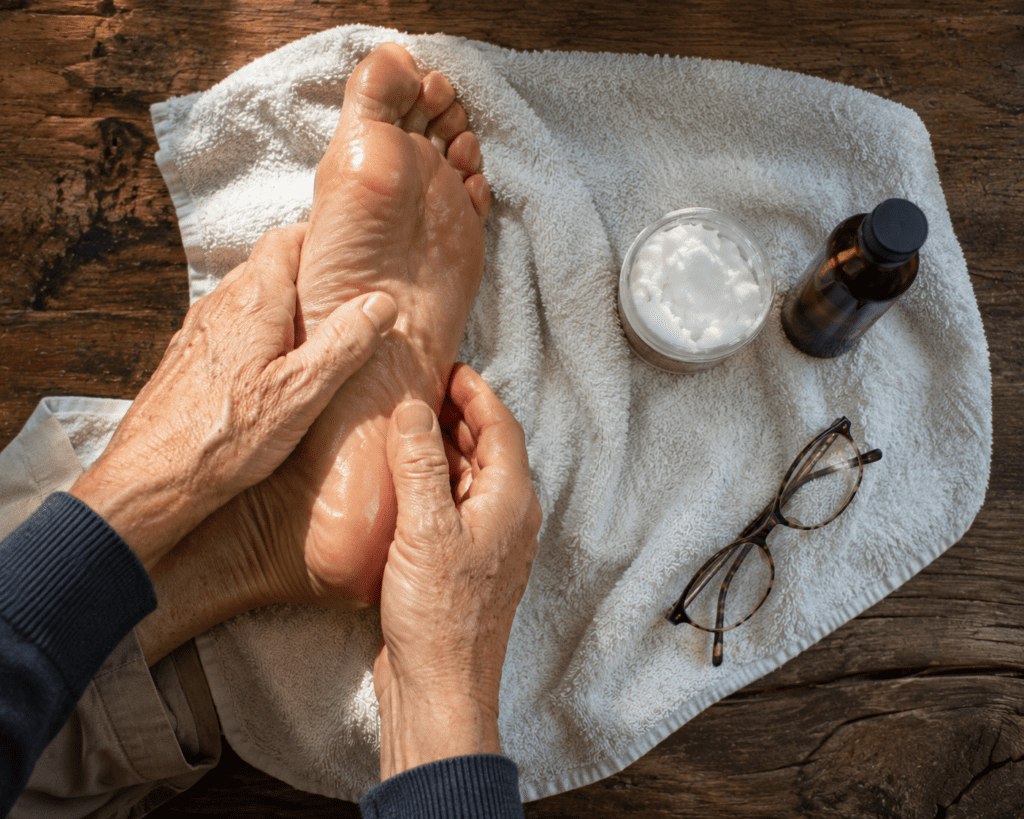
Soak feet in warm water — test the temperature with your elbow, not your feet, since sensation may be unreliable — with 2 tablespoons of Epsom salt for 10 to 15 minutes, no more than 3 times per week. The magnesium sulfate in Epsom salt supports tissue softening and has mild anti-inflammatory properties. The critical rule: always dry completely between toes afterward, since moisture trapped in skin folds promotes fungal overgrowth.
Step 3 — Natural Moisture Barrier Application
After drying, apply a natural emollient immediately while skin is still slightly warm. The most research-supported options are:
- Shea butter — rich in triterpenes and fatty acids that support epidermal barrier repair and reduce transepidermal water loss.
- Coconut oil — clinical evidence supports its antimicrobial properties, relevant for reducing surface bacterial load on compromised skin.
- Pure aloe vera gel — for minor cracks or areas of superficial irritation, aloe’s acemannan compounds actively support wound healing at the cellular level.
Never apply moisturizer between the toes — that’s the one zone where you want dryness maintained.
Step 4 — Calendula for Minor Wound Support
For small cuts, cracked heels that have opened, or persistent dry patches that border on breakdown, calendula-based salves have genuine clinical backing. The flavonoids in calendula — particularly isorhamnetin and narcissin — promote tissue granulation and reduce local inflammation. Apply a thin layer to clean, dry skin and cover with a breathable bandage.
What I found next, when I looked beyond the skin surface, surprised me more than anything else in this research.
Diabetic Foot Care Natural Remedies That Target Neuropathy Pain
The burning, the tingling, the strange electric sensations at night — neuropathy symptoms are often the most distressing part of diabetic foot issues. And this is where diabetic foot care natural remedies extend beyond the bathroom cabinet and into targeted nutritional support. For a deeper dive on this specifically, I’ve written about natural neuropathy relief for diabetics separately, but here are the key players.
Alpha-Lipoic Acid (ALA) is probably the most well-researched natural compound for diabetic neuropathy. It functions as a potent antioxidant that crosses both fat-soluble and water-soluble environments — meaning it can reach the nerve tissue that other antioxidants can’t. What the research consistently shows is that ALA supplementation at 600mg daily reduces neuropathic pain scores significantly in people with type 2 diabetes, with effects measurable within weeks. The mechanism here is direct: it neutralizes the reactive oxygen species that are degrading the myelin sheath around nerve fibers.
Magnesium deserves more attention than it gets in this conversation. A significant percentage of people with type 2 diabetes are deficient in magnesium, and that deficiency directly correlates with worsened neuropathy symptoms and impaired glucose metabolism. Magnesium glycinate or malate forms are best tolerated and most bioavailable. This connection — between magnesium repletion, nerve function, and blood sugar control — is one reason that natural supplements improving insulin sensitivity are genuinely relevant to foot health, not a separate category.
Capsaicin Cream (Topical) sounds counterintuitive — applying something derived from hot peppers to already painful feet. But the mechanism makes sense once you understand it. Capsaicin depletes substance P, a neuropeptide responsible for transmitting pain signals. Initial application may cause a warming sensation, but consistent use over 4 to 8 weeks reduces neuropathic pain by desensitizing the pain-signal pathway. This is not a home remedy to skip — clinical evidence places it firmly in the evidence-based category.

Common Mistakes That Undermine Even the Best Foot Care Routine
Here’s what most people get wrong: they treat foot care as a response to problems rather than a prevention system. By the time something looks serious, the underlying damage has usually been building for weeks or months. The most common mistakes I see in research communities and diabetes support groups are worth naming directly.
- Soaking too long or too hot: Prolonged soaking — over 15 minutes, or in hot water — actually softens skin to the point of increasing vulnerability. Compromised skin absorbs pathogens more easily and loses structural integrity faster. Keep soaks lukewarm and timed.
- Using hydrogen peroxide on wounds: This is a persistent myth worth busting directly. Hydrogen peroxide doesn’t just kill bacteria — it destroys the fibroblasts and new tissue cells that are trying to repair the wound. For diabetics, whose healing is already compromised, this delays recovery significantly. Use saline or clean water for wound cleaning instead.
- Skipping the blood sugar connection: No topical remedy compensates for persistently elevated blood glucose. Every percentage point improvement in HbA1c measurably reduces neuropathy progression and improves wound healing speed. Local remedies are important — but they’re supporting actors, not the lead.
- Walking barefoot at home: Many people with neuropathy can’t feel a small stone, a splinter, or a piece of broken glass underfoot. Even minor undetected injuries can escalate quickly in a diabetic environment. Soft indoor shoes or diabetic slippers should be standard at home, not just outdoors.
Putting It All Together: A Sustainable Daily Protocol
The goal of any diabetic foot care natural remedies protocol isn’t to add an overwhelming checklist to an already demanding condition. It’s to build a rhythm — small, consistent actions that compound over time into meaningfully better outcomes. Here’s what that looks like in practice:
Morning: Brief visual inspection before putting on socks. Apply natural moisturizer to heels and soles if overnight dryness is present. Put on clean, seamless socks and well-fitted, protective footwear.
Evening: Wash feet with mild soap and warm water. Dry thoroughly, especially between toes. Apply shea butter or coconut oil to soles and heels. If neuropathy symptoms are active, apply capsaicin cream to affected areas (avoid open skin). Take any supplement protocol — ALA, magnesium — with your evening meal.
Three times per week: Epsom salt foot soak (10–15 minutes, lukewarm temperature). Gentle pumice stone on thickened areas only after soaking, when skin is softened. Calendula salve on any minor cracks or areas of concern.
The thread running through all of these practices is the same one running through every serious conversation about diabetes management: blood sugar is the upstream variable. Diabetic foot care natural remedies work best — and work faster — in a body that is also receiving support at the metabolic level. That’s the fuller picture. Not a longer list of remedies, but a smarter, connected approach where each layer reinforces the others.
If there’s one thing I’ve learned from years of researching this intersection of natural medicine and metabolic health, it’s that the people who see real, lasting results aren’t the ones doing the most — they’re the ones doing the right things consistently, with an understanding of why each one matters. Your feet are worth that level of attention. And with the right foundation, the results are genuinely achievable.
❓ Frequently Asked Questions
Can Epsom salt foot soaks actually help with diabetic neuropathy pain?
Epsom salt soaks may ease surface discomfort and reduce minor inflammation, but the magnesium absorbed transdermally is minimal compared to oral supplementation. For neuropathy pain specifically, the warm water itself improves localized circulation and can provide temporary relief, making the ritual valuable even if the Epsom salt’s direct effect is modest.
What natural oils work best as a moisture barrier for diabetic feet?
Coconut oil, shea butter, and jojoba oil are among the most effective because they form a genuine occlusive barrier while also carrying antimicrobial or anti-inflammatory properties. Apply immediately after washing feet while skin is still slightly damp to lock in moisture and reduce cracking that creates infection entry points.
Does alpha-lipoic acid actually reduce diabetic foot nerve pain, or is that overhyped?
Alpha-lipoic acid has more clinical backing than most natural supplements for diabetic peripheral neuropathy, with multiple trials showing measurable reductions in pain, burning, and numbness at doses of 600mg daily. It works primarily as an antioxidant that reduces oxidative stress on damaged nerve tissue, which is one of the core mechanisms driving neuropathy.
How does blood sugar control directly affect foot healing in diabetics?
Elevated glucose impairs the function of white blood cells and restricts capillary blood flow, both of which are essential for wound healing and fighting localized infection. Even a modest reduction in average blood sugar levels can meaningfully accelerate tissue repair and reduce the likelihood of minor foot injuries progressing into serious complications.
Is aloe vera safe to use directly on open diabetic foot wounds?
Fresh aloe vera gel has demonstrated antimicrobial and wound-healing properties that make it suitable for minor abrasions and dry cracked skin, but it should not be applied to deep or infected wounds where professional wound care is required. The polysaccharides in aloe support collagen formation and reduce inflammation, which benefits surface-level skin repair in diabetic foot care routines.
📊 naturalbloodsugartips.com
My honest recommendation after everything I have researched
🩹 The Smarter Way to Take Berberine — Without the Stomach Pain
Purisaki Berberine Patches combine plant-based berberine with other natural ingredients in a convenient daily patch format — no pills, no stomach upset, no guesswork. Just consistent, gentle support throughout the day.
👉 Yes, I Want to Try Purisaki Berberine Patches✓ Official website | ✓ 60-day money-back guarantee | ✓ Free shipping
⚠️ Due to high demand, stock is limited. Check availability before it sells out.
*Results may vary. This is an affiliate link — I only recommend what I have researched for my own family.

About the Author — Sarah
I am not a doctor or nutritionist — I am a daughter who has been caring for my mother since her type 2 diabetes diagnosis. That journey pushed me to research natural alternatives and evidence-based lifestyle changes. Everything I share comes from that personal mission: to help my mom live better, with more energy and less dependence on medication. Always consult your healthcare provider before making any changes to your treatment plan.
⚕️ Medical Disclaimer: I am not a medical professional. This blog reflects my personal research caring for a family member with diabetes. For informational purposes only — not medical advice. Always consult a qualified healthcare provider.
📚 Scientific References
- Ziegler D, et al. Efficacy and safety of antioxidant treatment with α-lipoic acid over 4 years in diabetic polyneuropathy: the NATHAN 1 trial. Diabetes Care. 2011;34(9):2054–2060. PMID: 21775755.
- Bilbao-Garay I, et al. Treatment of painful diabetic peripheral neuropathy: a review of current and emerging therapies with a focus on capsaicin 8% patch. Patient Related Outcome Measures. 2020;11:79–87. PMID: 32547272.
- Veronese N, et al. Magnesium and type 2 diabetes: a systematic review and meta-analysis of prospective studies. Nutrients. 2019;11(11):2566. PMID: 31671591.
- Hajhashemi V, et al. Anti-inflammatory and wound healing activities of Aloe vera are mediated through suppression of inducible nitric oxide production. Journal of Ethnopharmacology. 2012;141(2):457–462. PMID: 22374457.