
5 Warning Signs Your Blood Sugar Is Dropping at Night You Shouldn’t Ignore
📋 Table of Contents
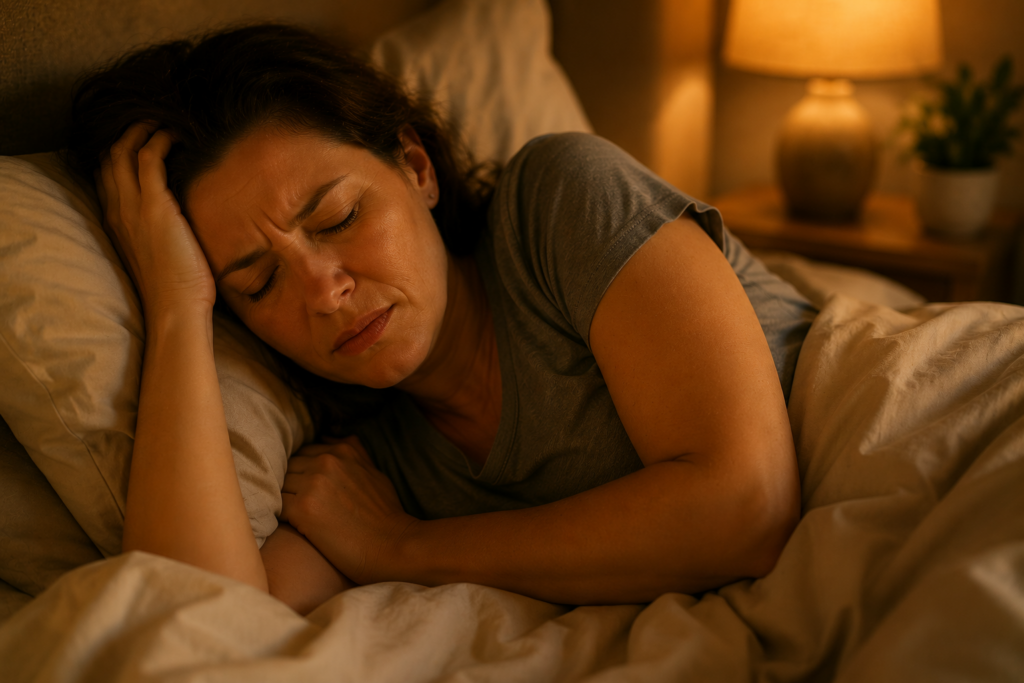
I still remember one morning when my mom walked into the kitchen looking completely worn out. Her face was pale, her hands were a little shaky, and her nightclothes were damp with sweat — even though she had gone to bed early and slept for hours.
At first, we blamed the usual things. Maybe the room was too warm. Maybe she had a stressful dream. Maybe she was just tired from the day before. But when it kept happening, I started paying closer attention.
That was when I learned about nocturnal hypoglycemia — the medical term for blood sugar dropping during the night. And honestly, it changed the way I looked at her mornings.
The difficult part is that these drops can happen while you’re asleep. You may not feel the warning signs in the moment. Instead, you wake up the next day feeling strange, exhausted, sweaty, or foggy — and you’re left trying to guess what happened.
I’m not a doctor. I’m a daughter who started researching because I wanted to understand what my mom’s body was trying to tell us. Over time, through reading, tracking symptoms, and talking with her healthcare provider, we began noticing patterns. These are the signs I wish we had recognized earlier.
🎁 Free 7-Day Blood Sugar Reset Guide
Get a simple 7-day guide with gentle daily habits that may help support more stable blood sugar as part of a healthy lifestyle.
Why Nighttime Blood Sugar Drops Are Easy to Miss
Nighttime lows can be confusing because they don’t always look like a blood sugar issue. During the day, low glucose may cause obvious symptoms like shakiness, dizziness, sudden hunger, or weakness. At night, those same signals can be missed because you’re sleeping.
In my mom’s case, she didn’t wake up saying, “My blood sugar is low.” She simply woke up exhausted, sweaty, and irritated, as if she had never truly rested. For a while, we thought it was just poor sleep.

Later, we learned that overnight lows may happen during the early morning hours, often when the body is still fasting and medication, dinner choices, exercise, or alcohol may still be affecting glucose levels.
That’s why the morning can offer important clues. The way you feel when you wake up may tell you something about what happened while you were asleep.
5 Warning Signs Your Blood Sugar Is Dropping at Night
These signs don’t automatically mean your blood sugar dropped overnight. But if they happen often — especially if you have diabetes, take glucose-lowering medication, or are caring for someone who does — they are worth paying attention to.
- Waking up drenched in sweat: This was the first sign we noticed with my mom. If the room is not hot and there’s no obvious reason for sweating, it may be your body reacting to low glucose. When blood sugar drops, the body can release stress hormones like adrenaline, and sweating may be part of that response.
- Vivid dreams or nightmares: This one surprised me. My mom started describing her dreams as intense, chaotic, or emotionally exhausting. I later learned that when the brain doesn’t get enough glucose, sleep can become disturbed. Not every bad dream means low blood sugar, of course, but repeated vivid dreams alongside other symptoms may be a clue.
- Waking up with a headache: A morning headache can have many causes, but low blood sugar overnight is one possibility. My mom often described it as a heavy, dull feeling across the forehead. Sometimes it improved after breakfast, which made us pay closer attention.
- Feeling more tired after sleeping: If you sleep seven or eight hours but wake up feeling like your body worked all night, something may be disrupting your rest. When the body has to fight to bring glucose back up while you sleep, the morning can feel heavy, foggy, and draining.
- A racing or pounding heart when you wake up: This can happen when the body releases stress hormones to respond to low blood sugar. It may feel like you woke up anxious for no reason. This was one of the signs I learned not to brush off, especially when it happened with sweating or morning weakness.
⚡ A Note on Blood Sugar Support
Some readers like to explore natural blood sugar support options alongside healthy habits. One option people often ask about is Sugar Defender, a plant-based formula designed to support healthy glucose metabolism. It is not a replacement for medical care, medication, or glucose monitoring.
Learn More →What Can Cause Overnight Blood Sugar Drops
For us, understanding the cause mattered just as much as recognizing the symptoms. Once we started tracking my mom’s evenings, a few patterns became easier to see.
- Eating too little at dinner: A very light dinner, especially one low in protein, fiber, or complex carbohydrates, may not provide enough steady fuel through the night.
- Late evening exercise: Movement is healthy, but exercise can increase insulin sensitivity. For some people, exercising too close to bedtime may contribute to lower glucose overnight.
- Medication timing: Some diabetes medications, including certain types of insulin, may have stronger effects during sleep depending on when they are taken. This is something to review with a healthcare provider.
- Alcohol in the evening: Alcohol can interfere with the liver’s ability to release glucose. That effect may show up hours later, sometimes during deep sleep.
- Long gaps without food: Going many hours without eating, especially after a lighter day, may make overnight dips more likely for some people.
Simple Ways to Support More Stable Blood Sugar at Night
What helped us most was not one dramatic change. It was small adjustments repeated consistently.
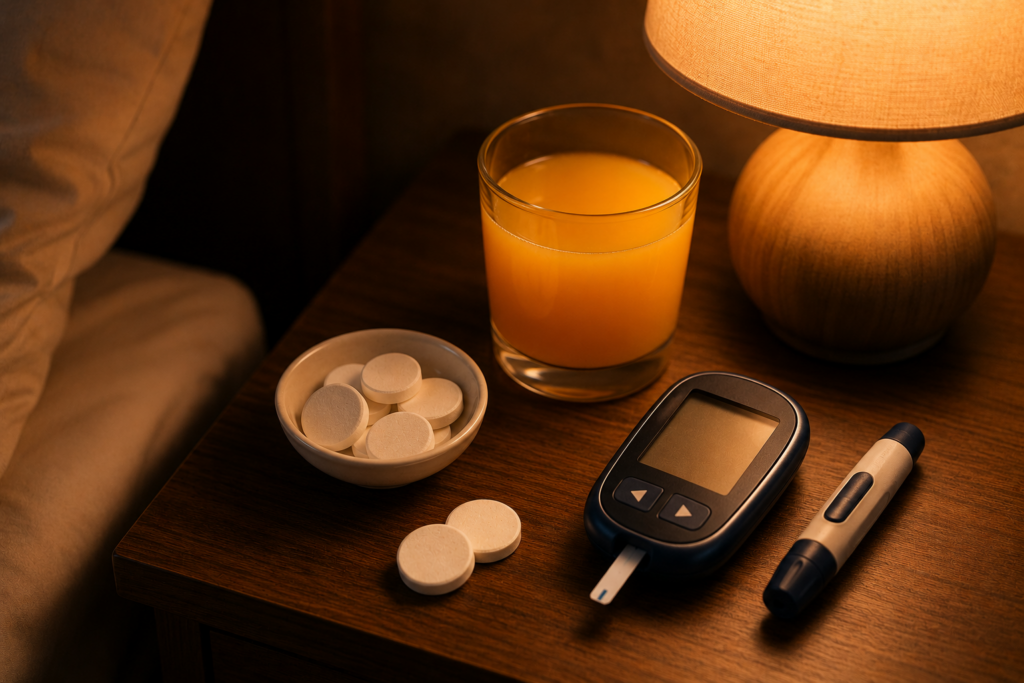
We started with a simple symptom notebook. In the morning, I wrote down whether my mom had sweated during the night, had a headache, felt shaky, felt unusually tired, or remembered strange dreams. That notebook became more useful than I expected because it helped us bring specific information to her doctor instead of just saying, “She doesn’t feel well.”
We also paid more attention to dinner. A balanced evening meal with protein, fiber-rich vegetables, and a reasonable amount of slow-digesting carbohydrates seemed to help her feel steadier.
On some nights, her healthcare provider suggested discussing whether a small bedtime snack made sense. For some people, something simple with protein and healthy fat may help, but this depends on the person, their medication, and their glucose patterns.
Other gentle habits that may support healthier overnight glucose balance include:
- Keeping a more consistent sleep schedule
- Avoiding very sugary dinners or late-night desserts
- Moving evening exercise earlier when possible
- Staying hydrated during the day
- Tracking symptoms and glucose readings when appropriate
- Discussing supplements, herbs, or nutrients with a healthcare provider before trying them
I know it can feel overwhelming at first. But you don’t have to change everything overnight. Sometimes the first step is simply noticing what your mornings are trying to tell you.

When to Talk to a Doctor
If you or someone you care for often wakes up sweaty, shaky, confused, exhausted, or with a racing heart, it’s worth bringing this up with a healthcare provider. This is especially important for anyone using insulin or diabetes medication.
A doctor may suggest checking glucose at specific times, adjusting medication timing, reviewing dinner habits, or using a continuous glucose monitor to see what is happening overnight.
Natural habits can be helpful, but they work best when you understand the full picture. In my mom’s case, the biggest improvement came when we stopped guessing and started tracking what was actually happening.
She is doing much better now. Not because we found a magic solution, but because we learned to listen earlier, ask better questions, and make small changes with guidance.
If you’ve been waking up feeling like something is “off,” don’t ignore it. Your body may be giving you clues — and those clues are worth taking seriously.
🩸 Support Healthy Blood Sugar Habits
Sugar Defender is a plant-based supplement created to support healthy blood sugar levels and natural energy as part of a balanced lifestyle. It is not intended to diagnose, treat, cure, or prevent any disease.
👉 See Official Page*Results may vary. Affiliate link.
About the Author
I’m not a doctor or nutritionist. I’m a daughter who began researching blood sugar habits while helping care for my mother after her type 2 diabetes diagnosis. This blog shares personal experience, practical research, and lifestyle ideas for educational purposes only. Always consult your healthcare provider before making changes to your diet, medication, supplements, or treatment plan.
⚕️ Medical Disclaimer: This article is for educational and informational purposes only and is not medical advice. Always consult a qualified healthcare professional before making changes to your diet, lifestyle, medication, or supplement routine.
📚 Scientific References
- Cryer PE. Mechanisms of hypoglycemia-associated autonomic failure in diabetes. N Engl J Med. 2013;369(4):362-372. https://pubmed.ncbi.nlm.nih.gov/23883381/
- Schultes B, et al. Nocturnal hypoglycemia and its impact on counterregulatory and sleep quality in type 1 diabetes. Diabetes Care. 2007;30(7):1874-1876. https://pubmed.ncbi.nlm.nih.gov/17468342/
- Reutrakul S, Van Cauter E. Sleep influences on obesity, insulin resistance, and risk of type 2 diabetes. Metabolism. 2018;84:56-66. https://pubmed.ncbi.nlm.nih.gov/29510179/
- Choudhary P, et al. Evidence-informed clinical practice recommendations for treatment of type 1 diabetes complicated by problematic hypoglycemia. Diabetes Care. 2015;38(6):1016-1029. https://pubmed.ncbi.nlm.nih.gov/25998293/