
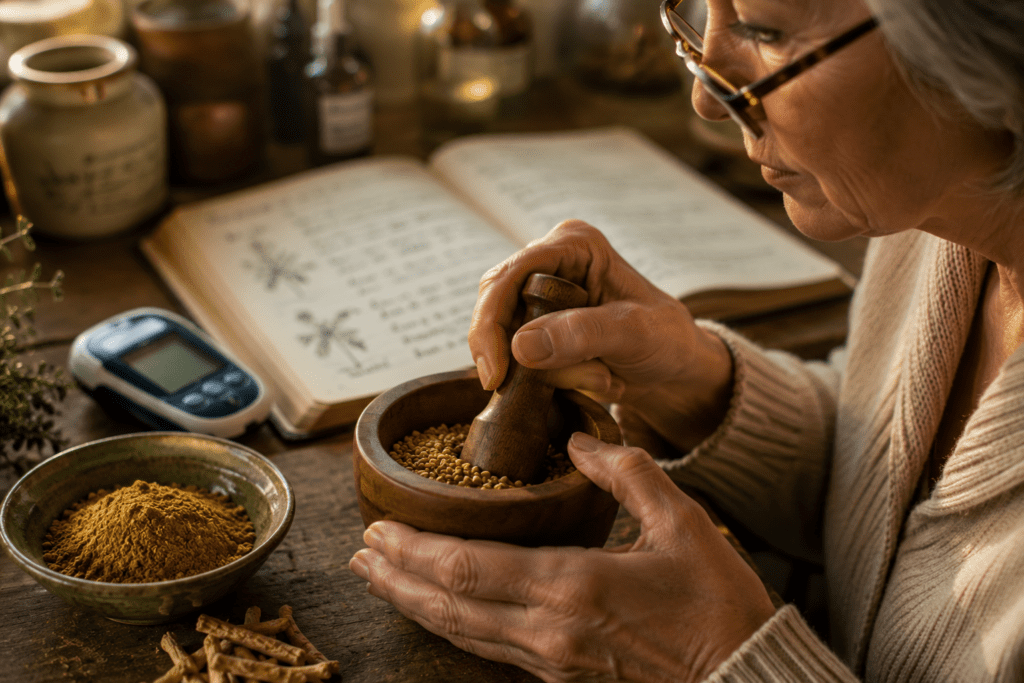
Herbs That Mimic Insulin Naturally: What the Science Actually Says
⚡ Quick Answer
Several plant-based compounds act as herbs that mimic insulin naturally by activating the same cellular pathways insulin uses to move glucose out of the bloodstream and into muscle cells. The most research-supported options include berberine, bitter melon, fenugreek, gymnema sylvestre, and cinnamon — each with a distinct mechanism backed by peer-reviewed evidence. These are not replacements for prescribed medication, but they have measurable, clinically observed effects on blood glucose regulation.
📋 Table of Contents
- Why Some Herbs Actually Behave Like Insulin
- The Best Herbs That Mimic Insulin Naturally (And the Science Behind Each)
- How to Use These Herbs: A Practical Guide
- Common Mistakes People Make With Insulin-Mimicking Herbs
- Herbs That Mimic Insulin Naturally vs. Prescription Medications: An Honest Comparison
- Conclusion: A Smarter Way to Support Blood Sugar
- ❓ Frequently Asked Questions
Let me be upfront with you: I went into this research genuinely skeptical. I had read enough wellness blogs to know how easy it is to dress up wishful thinking in the language of science. But after months of systematically tracking changes against actual blood glucose numbers — and then cross-referencing what I was observing with published clinical literature — something unexpected happened. The patterns started to line up. What I initially dismissed as folk medicine turned out to have some of the most fascinating metabolic mechanisms I had ever read about. That shift in my thinking is exactly why I want to walk you through this carefully and honestly.
If you or someone you love has been managing type 2 diabetes or insulin resistance, you already know the frustration of being told to “eat less and move more” without any real guidance on what else might actually help. That is precisely why understanding herbs that mimic insulin naturally matters — not as a magic fix, but as a genuinely evidence-supported piece of a larger strategy.
Before we go any further, I want to be clear: nothing in this article replaces your doctor’s guidance or your prescribed medication. What this is, is a research-backed conversation about mechanisms that are real, studied, and often underexplained in a clinical setting.
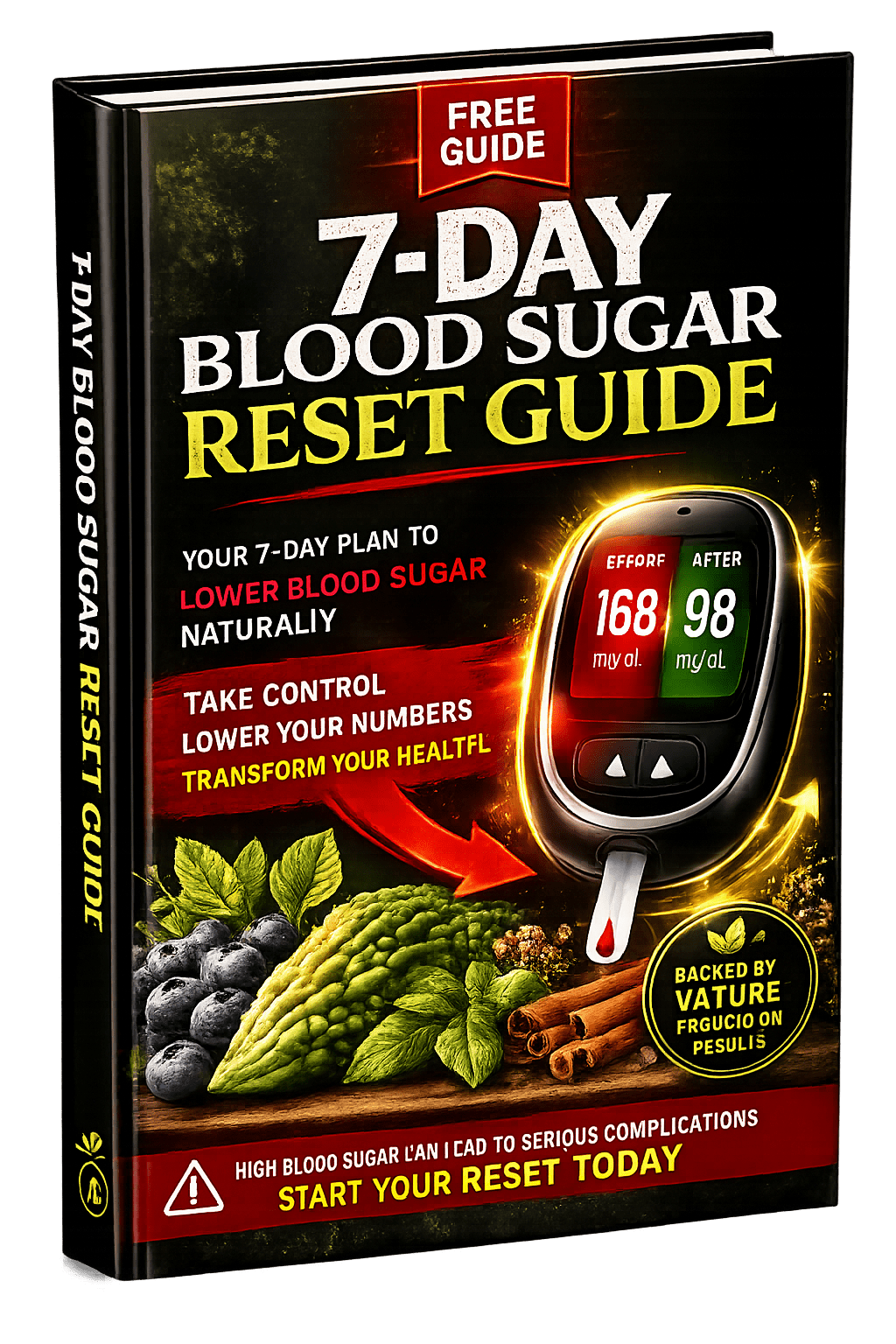
Why Some Herbs Actually Behave Like Insulin
Here is what most people get wrong: they assume that because something is “natural,” it works in a vague, indirect, or purely nutritional way. But the reality is far more specific than that. Certain plant compounds interact directly with the same cellular machinery that insulin does — and that is not a metaphor. It is a biochemical fact.
Insulin’s primary job is to act as a key. It binds to receptors on muscle and fat cells, triggering a process that pulls a glucose transporter protein — called GLUT-4 — to the cell surface. Once GLUT-4 is at the surface, glucose can enter the cell instead of floating dangerously in your bloodstream. When insulin resistance develops, this system breaks down. The key is there, but the lock stops responding properly.
What researchers have found is that certain plant compounds can either amplify the insulin signal, act on downstream pathways to produce the same GLUT-4 translocation effect, or reduce the liver’s tendency to dump excess glucose into the blood overnight. Some even reduce how much glucose your gut absorbs from food in the first place. These are distinct, measurable mechanisms — not theoretical possibilities. This is precisely what makes herbs that mimic insulin naturally a legitimate area of scientific inquiry rather than wellness marketing.
But here is the counterintuitive part that surprised me most in my research: some of these compounds work better in an insulin-resistant environment than they do in a healthy one. The more dysfunctional the signaling pathway, the more room these compounds have to create a measurable improvement. That is not how most drugs work — and it is one reason why the results in clinical populations with prediabetes and type 2 diabetes are often more impressive than results in healthy control groups.
Now that you understand the “why,” let’s get into the specific herbs and the evidence behind each one.
The Best Herbs That Mimic Insulin Naturally (And the Science Behind Each)
Herbs That Mimic Insulin Naturally
These herbs may support blood sugar management but are not substitutes for prescribed insulin or diabetes medication. Consult your doctor before use.
📊 naturalbloodsugartips.com
When it comes to herbs that mimic insulin naturally, not all are created equal. Some have decades of research behind them. Others are newer to Western clinical literature but have been used medicinally for centuries. Here is what the evidence actually shows, organized by the strength and specificity of the research.
Berberine is probably the most studied plant compound in this category, and its results are remarkable enough that researchers have compared its effects favorably to metformin in several trials. The mechanism is well understood: berberine activates an enzyme called AMPK — the same energy-sensing pathway that metformin targets — which in turn drives GLUT-4 to the cell surface and suppresses glucose production in the liver. A landmark clinical trial published in Metabolism demonstrated that berberine reduced fasting blood glucose and HbA1c comparably to metformin over a 3-month period. If you are interested in exploring natural supplements for insulin sensitivity, berberine is typically the starting point.
Bitter melon (Momordica charantia) contains at least three active compounds — charantin, vicine, and polypeptide-p — that appear to have direct insulin-like activity. Polypeptide-p in particular has been called “plant insulin” in some research circles because of its structural similarity to the hormone itself. What the research consistently shows is that bitter melon extract can lower postprandial (after-meal) glucose spikes meaningfully, making it especially relevant for people who experience large swings after eating.
Gymnema sylvestre works through a fascinating dual mechanism. First, the gymnemic acids in this herb physically block sugar receptors on the tongue, which reduces cravings for sweet foods. But more importantly for blood glucose management, it appears to stimulate insulin secretion from the pancreatic beta cells and improve the uptake of glucose into cells. Some research also suggests it may support the regeneration of beta cell function over time — which, if confirmed at scale, would be genuinely significant for long-term diabetes management.
Fenugreek takes a different approach. Its high content of a soluble fiber called galactomannan slows the absorption of carbohydrates in the gut, which flattens post-meal glucose spikes. But it also contains an amino acid called 4-hydroxyisoleucine that appears to directly stimulate insulin release in a glucose-dependent manner — meaning it only triggers insulin secretion when blood sugar is actually elevated. That glucose-dependence is important because it dramatically reduces the risk of hypoglycemia.
Cinnamon is probably the most familiar name on this list, and also the most misrepresented. Most people assume it works by adding flavor and “balancing” something vague. The actual mechanism is more interesting: certain compounds in Ceylon cinnamon activate insulin receptor pathways and appear to increase GLUT-4 activity in muscle cells. A study published in Diabetes Care found meaningful reductions in fasting glucose, triglycerides, and LDL cholesterol with daily cinnamon supplementation. The important caveat: use Ceylon cinnamon, not the common Cassia variety, which contains high levels of coumarin that can stress the liver at supplemental doses.
What I found when researching herbs that lower blood sugar is that the most consistent results tend to come not from any single herb, but from compounds that address multiple pathways simultaneously — which is exactly where the conversation gets more nuanced. And that nuance matters more than most people realize when it comes to implementation.
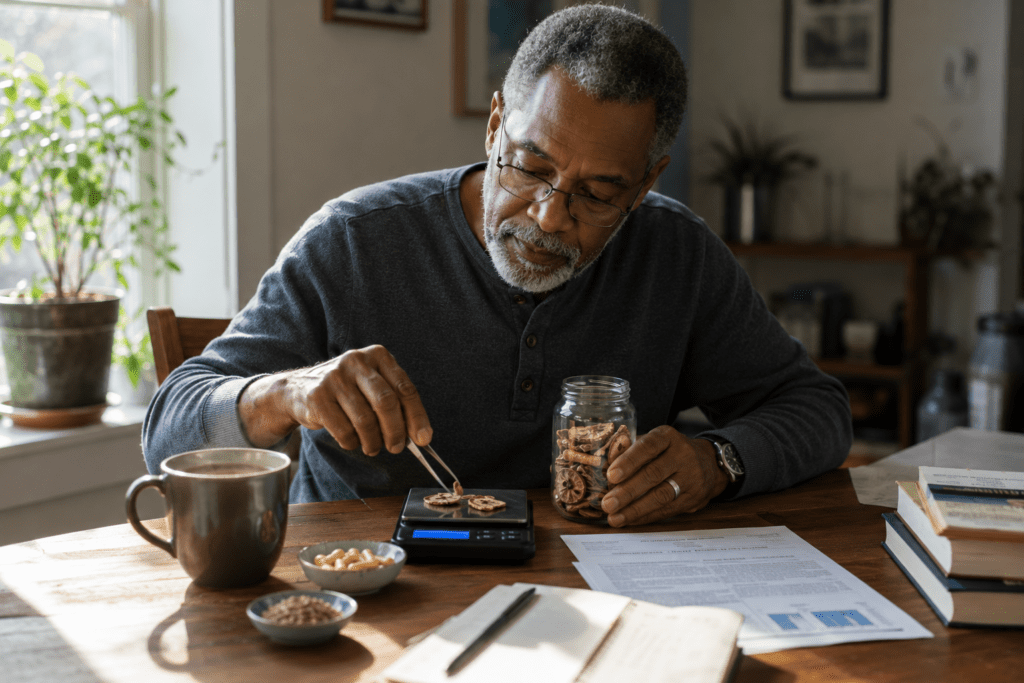
After months of research into this exact mechanism, I kept coming back to one formula that actually addressed the root issue rather than just masking symptoms. It was developed with a clinical approach — the kind that makes sense when you understand the science behind what we just covered. That formula is Gluco6.
Many people are switching to Gluco6 — created by Dr. Molly Leavitt and built around Sukre, an ingredient that targets the GLUT-4 transport system to move glucose from your bloodstream into your cells more efficiently.
*Individual results may vary. Always consult your healthcare provider.
How to Use These Herbs: A Practical Guide
Understanding the science is one thing. Knowing how to actually incorporate these herbs into a daily routine — in the right forms, at the right times — is where most people stumble. Here is what practical application looks like based on what the research supports.
Timing matters more than most people think. Because several of these herbs work by slowing glucose absorption or improving cellular uptake, taking them before or with meals produces the most relevant effect. Think of it this way: if your goal is to reduce a post-meal glucose spike, the herb needs to be active in your system when the spike would otherwise occur.
- Berberine: 500mg taken 2–3 times daily, ideally 20–30 minutes before meals. Because berberine has a short half-life, spreading doses throughout the day produces better results than a single large dose.
- Bitter melon: Most commonly used as a juice (30–50ml of fresh juice), capsule (500–1000mg extract), or incorporated as a cooked vegetable. The juice form tends to produce faster effects but is an acquired taste.
- Gymnema sylvestre: Standardized extract of 400–600mg daily, with meals. Look for a product standardized to at least 25% gymnemic acids — that’s the active fraction that matters.
- Fenugreek: Can be used as whole seeds (10–15g daily, soaked overnight and taken on an empty stomach) or as a standardized extract with meals. Many people find the seeds easier to incorporate by grinding them and adding to food.
- Ceylon cinnamon: 1–3g daily. Easiest to incorporate by adding to meals — oatmeal, smoothies, yogurt, or coffee. If using a supplement, verify it specifies Ceylon, not Cassia.
One practical rule worth following: if you are taking any blood sugar medications, introduce one herb at a time and monitor your levels carefully. These compounds have real effects, and combining them with medication without monitoring can occasionally push glucose too low. Your doctor should know what you are taking — not because these herbs are dangerous, but because the combination can be more effective than either alone, which changes the equation for dosing your medication over time.
What I found next, though, was that even people doing everything right with individual herbs were often making a few key mistakes that significantly blunted their results — and most of them had no idea.
Common Mistakes People Make With Insulin-Mimicking Herbs
What if the real problem isn’t which herb you’re taking, but how you’re taking it — or what you’re expecting from it? In practice, the most common issues fall into a few predictable categories.
The first and most widespread mistake is using the wrong form of an herb. Cinnamon is the clearest example: most store-bought cinnamon is Cassia, which has negligible amounts of the active compounds found in Ceylon cinnamon research. Bitter melon products vary wildly in polypeptide-p content depending on extraction method. Gymnema products that aren’t standardized to gymnemic acid content are essentially inert. The herb on the label is not the same as a therapeutic dose of the active compound — and the supplement industry’s quality control makes this worse, not better.
The second mistake is expecting these herbs to compensate for a high-carbohydrate diet. Even the most robustly studied compounds — berberine included — are working at the margins of glucose management. They reduce the spike, improve cellular uptake, slow absorption. They do not neutralize the effect of consistently eating in a way that overwhelms your metabolic system. Think of them as supporting a better-dialed diet, not replacing one.
The third — and this one surprises people — is inconsistency. Several of these herbs, particularly gymnema and berberine, require weeks of consistent use before their full effects on insulin receptor sensitivity are measurable. Taking something for five days and concluding it doesn’t work is like stopping a strength training program after one week because your muscles haven’t changed. The mechanism is cumulative. If you are interested in exploring this further alongside other science-backed blood sugar supplements, consistency across all of them is the common thread that separates results from disappointment.
Herbs That Mimic Insulin Naturally vs. Prescription Medications: An Honest Comparison
This is where I want to be especially careful, because the comparison is often made badly in both directions. Some natural health advocates overstate what herbs that mimic insulin naturally can do. Some conventional sources dismiss them entirely. Neither position reflects what the research actually shows.
The honest picture looks something like this: prescription medications like metformin have a much larger body of long-term safety data, faster onset of measurable effect in many patients, and standardized dosing. For someone with HbA1c above 8% or rising, starting with medication while incorporating herbal support is almost certainly the more responsible approach.
But for someone in the prediabetic range, or working to support stable blood sugar at the margins, the evidence for compounds like berberine is genuinely compelling — and the side effect profile is considerably more favorable than most pharmaceutical options. The gut discomfort sometimes reported with berberine is real but typically mild and transient. Compare that to the range of side effects associated with longer-term pharmaceutical management, and the conversation becomes more nuanced than either camp usually acknowledges.
The myth worth busting here: that “natural” automatically means safer or weaker. Berberine’s AMPK activation is the same pathway targeted by a pharmaceutical drug. Gymnema’s effect on beta cell activity is measurable on a lab panel. These are not gentle wellness tools — they are biologically active compounds that deserve the same respect (and medical oversight) as any other intervention.
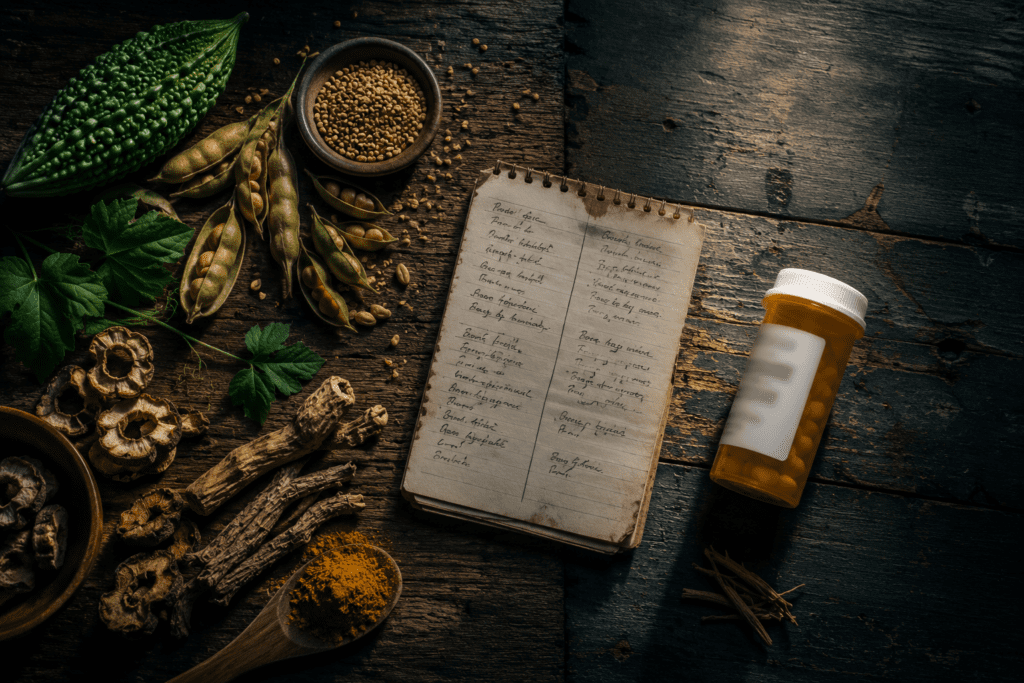
Conclusion: A Smarter Way to Support Blood Sugar
If you have been dealing with blood sugar that refuses to cooperate despite your best efforts, the research on herbs that mimic insulin naturally offers something genuinely useful: a mechanistic explanation for why certain plant compounds work, and a practical framework for using them intelligently. This is not about replacing medical care. It is about understanding your biology well enough to support it from multiple angles.
What the evidence consistently points toward is that herbs that mimic insulin naturally — berberine, bitter melon, gymnema, fenugreek, and Ceylon cinnamon — each address a specific failure point in the glucose regulation process. Used correctly, in therapeutic forms, at the right times, and alongside a diet that doesn’t work against them, they represent some of the most evidence-supported tools available outside of pharmaceuticals.
The gap between knowing this and experiencing it, though, often comes down to formulation and consistency. A well-designed formula that combines multiple complementary mechanisms — and uses standardized, bioavailable forms of each compound — is almost always going to outperform trying to manage six separate supplements on your own. That is what drew me to looking at solutions that address the GLUT-4 pathway directly, which is ultimately the central mechanism behind how herbs that mimic insulin naturally create their most significant effects.
You deserve more than vague advice and recycled wellness clichés. The science here is real. The mechanisms are understood. And the path forward, for most people, is clearer than they have been led to believe.
❓ Frequently Asked Questions
How does berberine mimic insulin at the cellular level?
Berberine activates AMPK (AMP-activated protein kinase), an enzyme that triggers glucose uptake in muscle cells through a pathway that largely bypasses the insulin receptor itself. This means it can lower blood sugar even in cases of significant insulin resistance, which is why several clinical trials show it performing comparably to metformin in type 2 diabetics.
Can bitter melon actually lower blood sugar or is it just hype?
Bitter melon contains at least three active compounds — charantin, polypeptide-p, and vicine — that have demonstrated glucose-lowering effects in human and animal studies by stimulating glucose uptake and inhibiting glucose production in the liver. The evidence is real but inconsistent across trials, largely because the potency varies widely depending on the preparation and the part of the plant used.
How long does it take for fenugreek to affect blood sugar levels?
Clinical studies show measurable reductions in fasting blood glucose within 4 to 8 weeks of consistent use, typically using 5–10 grams of fenugreek seed powder daily. The primary mechanism is its high soluble fiber content slowing glucose absorption, though its amino acid 4-hydroxyisoleucine also directly stimulates pancreatic insulin secretion.
Is gymnema sylvestre safe to take if you’re already on metformin or insulin?
Gymnema sylvestre has an additive blood-sugar-lowering effect, meaning it can amplify the action of existing medications and potentially cause hypoglycemia if doses are not adjusted. This is a pharmacological interaction, not a minor concern — anyone combining gymnema with prescription glucose-lowering drugs needs to monitor blood sugar closely and adjust accordingly.
What form of cinnamon is most effective for blood sugar — Ceylon or Cassia?
Ceylon cinnamon (Cinnamomum verum) is considered the safer long-term option because it contains negligible coumarin, a compound found in high levels in Cassia cinnamon that can cause liver damage with daily use. Most blood sugar studies showing positive results used Cassia cinnamon, so there is a trade-off between efficacy evidence and safety profile depending on which type you choose.
📊 naturalbloodsugartips.com
My honest recommendation after everything I have researched
🔬 See Why Gluco6’s Sukre Ingredient Is Different
Gluco6 is a daily blood sugar capsule with a unique mechanism most supplements completely overlook. Manufactured by Good Mix Naturals in Colorado, sold exclusively through the official site with a ClickBank-backed money-back guarantee.
✓ Official website | ✓ 60-day money-back guarantee | ✓ Free shipping
⚠️ Due to high demand, stock is limited. Check availability before it sells out.
*Results may vary. This is an affiliate link — I only recommend what I have researched for my own family.

About the Author — Sarah
I am not a doctor or nutritionist — I am a daughter who has been caring for my mother since her type 2 diabetes diagnosis. That journey pushed me to research natural alternatives and evidence-based lifestyle changes. Everything I share comes from that personal mission: to help my mom live better, with more energy and less dependence on medication. Always consult your healthcare provider before making any changes to your treatment plan.
⚕️ Medical Disclaimer: I am not a medical professional. This blog reflects my personal research caring for a family member with diabetes. For informational purposes only — not medical advice. Always consult a qualified healthcare provider.
📚 Scientific References
- Yin J, Xing H, Ye J. Efficacy of berberine in patients with type 2 diabetes mellitus. Metabolism. 2008;57(5):712–717. PMID: 18442638.
- Khan A, Safdar M, Ali Khan MM, Khattak KN, Anderson RA. Cinnamon improves glucose and lipids of people with type 2 diabetes. Diabetes Care. 2003;26(12):3215–3218. PMID: 14633804.
- Leach MJ, Kumar S. Cinnamon for diabetes mellitus. Cochrane Database Syst Rev. 2012;(9):CD007170. PMID: 22972104.
- Dey L, Attele AS, Yuan CS. Alternative therapies for type 2 diabetes. Altern Med Rev. 2002;7(1):45–58. PMID: 11896746.