

15 Foods to Avoid With High Blood Pressure (And Why They’re Wrecking Your Numbers)
⚡ Quick Answer
The most important foods to avoid with high blood pressure include high-sodium processed foods, added sugars, excessive alcohol, saturated fats, and certain pickled or cured foods — all of which raise blood pressure through distinct vascular and hormonal mechanisms. Cutting these isn’t about willpower. It’s about understanding which pathways they activate and blocking them at the source.
📋 Table of Contents
- Why Food Choices Drive Blood Pressure More Than Most People Realize
- The 15 Foods to Avoid With High Blood Pressure
- The Mechanism Behind Why These Foods Raise Your Numbers
- What Most Articles Get Completely Wrong About High Blood Pressure and Diet
- Practical Swaps That Actually Move the Needle
- More Foods to Avoid With High Blood Pressure: The Hidden Sources
- Putting It All Together
- ❓ Frequently Asked Questions
Here’s what I’ve learned after going through every credible piece of research I could find on this topic: the difference between a dietary change that actually moves your blood pressure numbers and one that just makes you feel like you’re doing something almost always comes down to mechanism specificity. Does cutting this food actually target the pathway driving your hypertension? Or is it generic advice that kind of touches everything and fully addresses nothing? That’s the lens I use now when I look at foods to avoid with high blood pressure — and it’s the lens I’ll use throughout this article.
Why Food Choices Drive Blood Pressure More Than Most People Realize
Most people know diet matters for blood pressure. Fewer people understand why it matters at a level that’s actually useful. And that gap — between knowing and understanding — is exactly where most dietary interventions fall apart.
Blood pressure isn’t just a plumbing problem. It’s a signaling problem. The renin-angiotensin-aldosterone system (RAAS) — a hormonal cascade that regulates how much sodium your kidneys retain and how tightly your blood vessels constrict — is extraordinarily sensitive to what you eat. When you load up on sodium, the kidneys retain more water, blood volume rises, and your heart has to push harder against that extra volume. That’s not a metaphor. That’s the literal mechanism. A landmark meta-analysis published in the British Medical Journal found that reducing sodium intake by 4.4g/day was associated with an average systolic reduction of 4.18 mmHg in normotensive adults — and 5.39 mmHg in people already diagnosed with hypertension. Those are not trivial numbers.
But sodium is only one piece of the puzzle. The foods to avoid with high blood pressure span multiple categories — and each category hits a different biological lever. Understanding which lever you’re pulling changes everything about how you approach your plate.
The 15 Foods to Avoid With High Blood Pressure
15 Foods That Raise Blood Pressure (And By How Much)
Based on clinical research and American Heart Association dietary guidelines
Individual responses vary. Always consult a healthcare provider before making significant dietary changes, especially if you are on blood pressure medication.
📊 naturalbloodsugartips.com
I’m going to go beyond the generic “cut the salt” advice here. Each item on this list has a specific reason it belongs — a mechanism, not just a reputation.
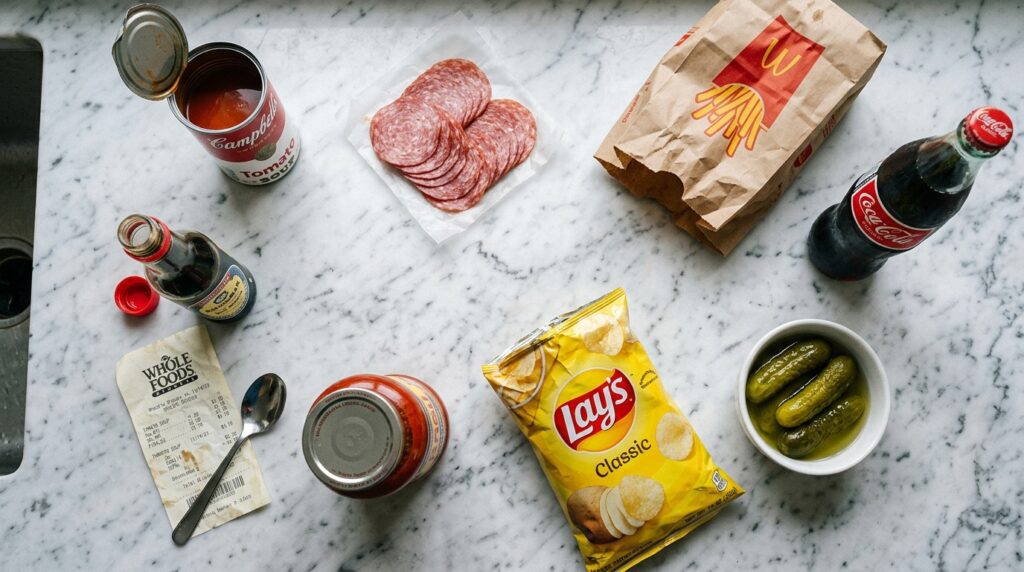
1. Processed deli meats. A single 2-ounce serving of bologna can contain 580mg of sodium. But it’s not just the salt — cured meats are often preserved with nitrates, which can impair endothelial function (the ability of blood vessel walls to dilate properly) independent of their sodium content.
2. Canned soups. One of the most underestimated sodium sources in the American diet. A single can of commercial chicken noodle soup can clock in at 890mg of sodium — nearly 40% of the daily recommended limit in one bowl. And most people eat the whole can.
3. Frozen pizza. The sodium-saturated fat double hit. One slice of commercially frozen pepperoni pizza averages 680mg of sodium plus 8g of saturated fat — a combination that compounds both the fluid retention and the arterial stiffness pathways simultaneously.
4. Table salt added liberally at meals. I know this sounds obvious. But here’s what most people miss: your taste threshold for salt adjusts. If you’ve been over-salting for years, food tastes bland without it — which creates a cycle that’s behavioral as much as physiological. The fix takes about 4–6 weeks, after which unsalted food starts tasting normal again.
5. Alcohol — especially heavy or binge drinking. Alcohol raises blood pressure through multiple routes: it activates the sympathetic nervous system, elevates cortisol, disrupts baroreceptor function, and over time causes arterial stiffening. Even moderate drinking — more than one drink per day for women, two for men — is associated with measurable BP elevation. This one surprised me when I first looked at the data carefully.
6. Added sugars and sugar-sweetened beverages. This is the one most blood pressure articles skip, and it’s a mistake. Fructose — especially in high-fructose corn syrup — directly stimulates uric acid production, which in turn inhibits nitric oxide synthesis in the endothelium. Less nitric oxide means less vasodilation. Tighter vessels. Higher pressure. A 2019 systematic review found that sugar-sweetened beverage consumption was independently associated with higher systolic blood pressure even after controlling for body weight.
7. Pickled vegetables and fermented foods high in sodium. Yes, even some “healthy” foods belong on the foods to avoid with high blood pressure list — or at least the “eat sparingly” list. A single serving of commercial pickles can contain 500–900mg of sodium. The fermentation benefit doesn’t cancel out the sodium load.
8. Full-fat cheese consumed in large amounts. Saturated fat promotes arterial inflammation and stiffening via increased LDL oxidation and reduced arterial elasticity. A small amount is fine for most people — but three or four servings a day compounds the cardiovascular load meaningfully.
9. Caffeine — in large or poorly timed doses. The evidence here is actually mixed, and I want to be honest about that. Regular coffee drinkers often develop tolerance to caffeine’s acute pressor effect. But if you’re sensitive, or consuming more than 400mg/day, acute spikes of 3–4 mmHg systolic are well-documented — especially in people with untreated hypertension.
10. Red meat consumed daily. Beyond the saturated fat, red meat — particularly processed red meat — is high in L-carnitine, which gut bacteria convert to TMAO (trimethylamine N-oxide), a compound associated with arterial inflammation and cardiovascular risk independent of traditional lipid markers.
11. Fast food in general. The sodium-fat-calorie density trifecta. A single fast food meal can easily contain 1,500–2,000mg of sodium — exceeding many people’s entire daily target in one sitting.
12. Packaged snack foods (chips, crackers, pretzels). Often overlooked because they’re eaten mindlessly. A single ounce of salted pretzels contains 385mg of sodium. Most people eat 3–4 ounces in a sitting. You do the math.
13. Soy sauce and high-sodium condiments. One tablespoon of regular soy sauce = approximately 900mg of sodium. It’s one of those ingredients where portion awareness completely breaks down because it’s added in cooking rather than measured at the table.
14. Energy drinks. High caffeine, high sugar, and often containing stimulants like taurine and guarana that compound the adrenergic response. Case reports and observational data both link energy drink consumption to acute hypertensive episodes — particularly in young adults.
15. Licorice (real licorice, not licorice-flavored candy). This one shocks people. Real licorice contains glycyrrhizin, which inhibits the enzyme 11β-HSD2 — the enzyme that normally prevents cortisol from acting like aldosterone in the kidneys. Without that brake, cortisol drives sodium retention and potassium wasting. The result: measurable hypertension from a “natural” food. Most articles stop before they get to this one. That’s the wrong place to stop.
The Mechanism Behind Why These Foods Raise Your Numbers
If you’ve been following the foods to avoid with high blood pressure guidance for months and still not seeing results, it’s worth understanding that these foods affect your blood pressure through at least four separate pathways — and most people are only managing one or two of them.
The sodium-RAAS pathway is the most discussed. Excess sodium triggers aldosterone release from the adrenal glands, which signals the kidneys to retain sodium and water, expanding blood volume. More volume means more pressure against vessel walls. That’s pathway one.
Pathway two is endothelial nitric oxide suppression. Nitric oxide (NO) is what keeps your blood vessels relaxed and flexible. Saturated fat, added sugar, and oxidized fats all reduce NO bioavailability — some by increasing oxidative stress that degrades NO before it can act, others by downregulating eNOS (endothelial nitric oxide synthase) activity directly. This is why pairing high-sodium and high-fat foods is particularly damaging: you’re hitting two independent pathways simultaneously. If you want to understand more about working with these mechanisms positively, look into lower systolic blood pressure naturally through targeted nutritional strategies.
Pathway three is sympathetic nervous system activation — triggered by alcohol, caffeine excess, and energy drinks. The sympathetic nervous system raises heart rate and causes peripheral vasoconstriction. That’s an acute pressure spike, not a chronic structural problem — but repeated acute spikes over years do cause structural changes in vessel walls.
Pathway four — the one I got wrong for a long time — is systemic inflammation. Chronic low-grade inflammation, driven by processed foods, refined carbs, and industrial seed oils, promotes arterial stiffening by activating NF-κB pathways that increase production of pro-inflammatory cytokines. Stiffer arteries = less ability to buffer the pressure wave from each heartbeat = higher measured systolic pressure. A 2017 meta-analysis in the Journal of Hypertension confirmed that dietary inflammatory index scores were significantly associated with systolic and diastolic blood pressure across multiple populations.
What Most Articles Get Completely Wrong About High Blood Pressure and Diet
Most people assume the only dietary lever that matters for blood pressure is sodium. The research says something very different — and the gap between those two realities is costing people results.
The potassium-to-sodium ratio matters more than absolute sodium intake. This is the detail most articles miss entirely. A 2019 study in the New England Journal of Medicine (PMID: 31433920) found that a low-sodium, high-potassium salt substitute reduced cardiovascular events by 13% compared to regular salt — and the effect was larger than sodium restriction alone. You can be doing everything right on sodium and still be undermining yourself by not getting enough potassium from foods like sweet potatoes, avocados, and leafy greens. Learning about potassium-rich foods for hypertension is worth as much as this list of foods to avoid.
The other thing most articles miss: not everyone’s blood pressure responds to dietary sodium the same way. Roughly 50–60% of people with hypertension are “salt-sensitive” — meaning their blood pressure changes significantly with sodium intake. The other 40–50% are relatively salt-resistant. If you’ve cut sodium aggressively and seen minimal movement in your readings, you may be in the salt-resistant group — and your leverage points are more likely found in the sugar, alcohol, and inflammation pathways instead.
Real results. Not overnight. But real — when you’re targeting the right mechanism.
Practical Swaps That Actually Move the Needle
Identifying foods to avoid with high blood pressure is only useful if it leads somewhere actionable. Here’s how I think about the replacement strategy.
For sodium: swap commercial canned soups for homemade or low-sodium versions (target under 140mg per serving). Use herbs, citrus, and vinegar to replace salt’s flavor role — not just as a health gesture, but because acid genuinely activates different taste receptors that make food feel more satisfying without the sodium hit.
For saturated fat: the swap isn’t to low-fat everything — it’s to swap the specific saturated fat sources driving inflammation. Replace fatty processed meats with fatty fish (which actively supports endothelial function via EPA and DHA). Replace heavy cheese snacking with avocado or walnuts, which provide fat that supports, rather than impairs, NO synthesis.
For sugar: the goal isn’t zero carbohydrate. It’s replacing liquid sugar (sodas, juices, energy drinks) — which hits the liver’s fructose metabolism pathway fastest — with whole fruit, which delivers fructose bound to fiber that slows absorption and attenuates the uric acid spike. That’s a meaningful difference, not a semantic one.
Some people ask me about herbal supplements for blood pressure as a complement to dietary changes. I think they’re worth looking at — but only once the dietary fundamentals are solid. Supplements targeting the NO pathway or the RAAS system have real evidence behind them, but they work on a cleaner foundation.

More Foods to Avoid With High Blood Pressure: The Hidden Sources
Beyond the obvious culprits, there’s a category of foods to avoid with high blood pressure that almost nobody talks about — the ones hiding in “healthy” food contexts.
Bread. A single slice of commercially produced white or wheat bread contains 100–180mg of sodium. That sounds modest until you realize most people eat 4–6 slices per day across sandwiches, toast, and meals — suddenly contributing 600–1,000mg before a single processed food item enters the picture. Bread is one of the top three sodium sources in the American diet, according to CDC data. Not chips. Not fast food. Bread.
Cottage cheese and certain low-fat dairy products. “Low fat” often means the manufacturer added salt for flavor compensation. A half-cup of regular cottage cheese can contain 350–400mg of sodium. People eating it multiple times a day thinking they’re being virtuous can inadvertently be driving significant sodium load.
Bottled salad dressings. Two tablespoons of commercial ranch dressing = approximately 270mg sodium. Two tablespoons of a commercial Italian vinaigrette = around 300mg. On a “healthy” salad, three tablespoons of dressing can add 400–450mg — more than a small bag of potato chips.
The pattern here is consistent: the problem isn’t always what you think it is. The mechanism matters more than the reputation of the food category. (And yes — I tracked all of this obsessively before writing about it.)
Understanding foods to avoid with high blood pressure at this level of specificity changes what you do in the grocery store, at restaurants, and in your own kitchen. The numbers aren’t abstract anymore. They’re levers.
Putting It All Together
The complete picture of foods to avoid with high blood pressure isn’t a single list — it’s a map of biological pathways, each one targetable through specific dietary choices. Sodium drives RAAS activation. Saturated fat and processed sugars suppress nitric oxide. Alcohol and stimulants hit the sympathetic nervous system. Inflammatory foods stiffen the arteries structurally over time. You don’t have to address all four simultaneously — but you do have to know which ones are most active in your situation.
What I find genuinely encouraging is that the research on dietary modification for blood pressure is among the most consistent in all of cardiovascular medicine. A well-executed DASH-style eating pattern — which is really just the systematic application of the principles in this article — has been shown to reduce systolic blood pressure by 8–14 mmHg. That’s in the same range as first-line antihypertensive medications for many people. Not a replacement for medication if your doctor has prescribed it. But a serious, evidence-backed intervention in its own right.
The challenge — once you understand all of this — is that knowing what to avoid only gets you so far. The other half of the equation is actively supporting the vascular pathways you’ve been inadvertently suppressing. And that’s where most people find they need more targeted support than diet alone can provide.
Based on the science above — Sarah’s pick
Look — most people who read articles like this one do exactly what I used to do. They understand the problem completely, nod along with the research, and then go back to the same things that were not working. I was stuck in that loop for months. What finally changed it wasn’t finding something perfect. It was finding something whose mechanism actually matched what the science was pointing to. That’s the bar I use for every recommendation I make here.
→ Liv Pure
Research increasingly links stubborn belly fat to impaired liver function — not just caloric intake. Liv Pure was formulated specifically to address this: its two-complex system supports liver detoxification while activating the body’s natural fat-burning pathways simultaneously.
*Affiliate link — I only recommend products whose mechanism I’ve personally researched. Results vary. Always consult your doctor.
❓ Frequently Asked Questions
What foods are the worst for high blood pressure?
The worst foods for high blood pressure include processed meats, canned soups, pickled foods, added sugars, and alcohol — all of which raise blood pressure through sodium overload, hormonal disruption, or vascular inflammation. Saturated fats and fast food are also major contributors because they stiffen arteries over time. Cutting these categories has a measurable impact on systolic and diastolic readings.
Does sugar raise blood pressure as much as salt does?
Yes, added sugar can raise blood pressure through mechanisms distinct from sodium, including triggering insulin spikes that cause the kidneys to retain sodium and increasing uric acid levels that reduce nitric oxide. Studies show high fructose intake is strongly linked to hypertension even in people with normal sodium consumption. Many people focus only on salt while ignoring sugary drinks and processed snacks, which is a significant oversight.
Can I eat bread if I have high blood pressure?
Most commercial breads are surprisingly high in sodium, with a single slice containing 100–200 mg, making it easy to exceed daily limits without realizing it. Whole grain options with no added salt are a better choice, but you still need to check the label. Bread is considered one of the hidden sodium sources that most dietary guides underemphasize.
How quickly do blood pressure numbers change after cutting bad foods?
Some people see measurable drops in blood pressure within 2–4 weeks of eliminating high-sodium and high-sugar foods, particularly when the dietary changes are consistent. The DASH diet trials showed significant reductions in as little as two weeks in some participants. Results vary based on baseline diet, genetics, medication use, and how comprehensively the dietary changes are made.
Is alcohol really that bad for blood pressure or is red wine okay?
Even moderate alcohol consumption raises blood pressure, and the supposed cardiovascular benefits of red wine have been significantly walked back by more recent research. The American Heart Association does not recommend drinking alcohol as a heart health strategy. For people with hypertension, reducing or eliminating alcohol is one of the higher-impact lifestyle changes available.
📊 naturalbloodsugartips.com
You’ve read the research. You understand the mechanism. Here’s the next step.
🔥 Your Liver Is the Missing Piece — This Is How You Fix It
Liv Pure combines a Liver Purification Complex and a Liver Fat-Burning Complex with clinically-studied Mediterranean plant compounds. FDA-registered, GMP-certified facility. 60-day money-back guarantee.
“This is what I would put in front of my own mother — not because the label is convincing, but because the ingredients match exactly what the peer-reviewed research points to.” — Sarah
⚠️ High demand — stock availability changes frequently. Check the official page.
*Individual results vary. Affiliate link — clicking supports this blog at no extra cost to you. Sarah is not a medical professional. Always consult your healthcare provider before starting any supplement.

About the Author — Sarah
I’m not a doctor or nutritionist — I’m a daughter who has been caring for my mother since her type 2 diabetes diagnosis. That journey pushed me to read the actual clinical research, track real results, and share what I find with people who deserve better than generic health advice. Everything here comes from that mission. Always consult your healthcare provider before making any changes to your treatment plan.
⚕️ Medical Disclaimer: I am not a medical professional. This blog reflects my personal research caring for a family member with diabetes. For informational purposes only — not medical advice. Always consult a qualified healthcare provider.
📚 Scientific References
- He FJ, Li J, Macgregor GA. Effect of longer-term modest salt reduction on blood pressure. BMJ. 2013;346:f1325. PMID: 23558164.
- Mossavar-Rahmani Y, et al. Dietary inflammatory index and blood pressure in the Multi-Ethnic Study of Atherosclerosis. J Hypertens. 2017;35(8):1666–1673. PMID: 28526025.
- Neal B, et al. Effect of salt substitution on cardiovascular events and death. N Engl J Med. 2021;385(12):1067–1077. PMID: 34459569.
- Jayalath VH, et al. Sugar-sweetened beverage consumption and incident hypertension: A systematic review and meta-analysis of prospective cohorts. Am J Clin Nutr. 2015;102(4):914–921. PMID: 26269365.