
Best Herbal Tea for Blood Sugar Control (Science-Backed Guide)
⚡ Quick Answer
The best teas for insulin resistance include cinnamon, green tea, berberine, gymnema sylvestre, and bitter melon tea — all studied for their ability to improve insulin sensitivity and support glucose uptake into cells. Drinking these teas consistently, especially 20-30 minutes before meals, may help the body respond better to insulin over time. They work best as part of a broader lifestyle approach that includes diet, movement, and medical guidance.
📋 Table of Contents
Why I Started Looking Into Herbal Teas
A few years ago, I sat across from my mom at her kitchen table watching her prick her finger for the third time that day. Her type 2 diabetes diagnosis had shaken our whole family, and we were both exhausted from trying to figure out what actually helped. That’s when I stumbled down a research rabbit hole that eventually led me to the world of herbal tea for blood sugar control — and honestly, it changed everything for us. I wasn’t looking for a miracle cure. I was just a daughter desperate to find something gentle, natural, and backed by more than just internet folklore.
What surprised me most was how much legitimate research existed on certain plants and their effect on glucose metabolism. These weren’t just folk remedies passed down through generations — some of them had actual clinical trials behind them. I started brewing teas for my mom alongside her regular routine, and over time, we noticed real differences in how she felt between meals. I want to share what I found, because if you’re managing blood sugar for yourself or someone you love, this information might be exactly what you’ve been searching for.
Top Herbal Teas for Blood Sugar Control
Best Herbal Teas for Blood Sugar Control
Herbal teas are not a substitute for medical treatment. Consult your doctor before use.
📊 naturalbloodsugartips.com
Not all teas are created equal when it comes to glucose support. After months of research and trial-and-error with my mom, these are the ones that kept showing up in the science and actually worked in our day-to-day life. If you’re exploring herbs that lower blood sugar, many of them translate beautifully into daily teas.
- Berberine-rich teas (Barberry root tea): Berberine is one of the most studied natural compounds for insulin sensitivity. Research suggests it activates AMPK, an enzyme that helps cells absorb glucose more efficiently. My mom drinks a small cup of barberry root tea a few times a week.
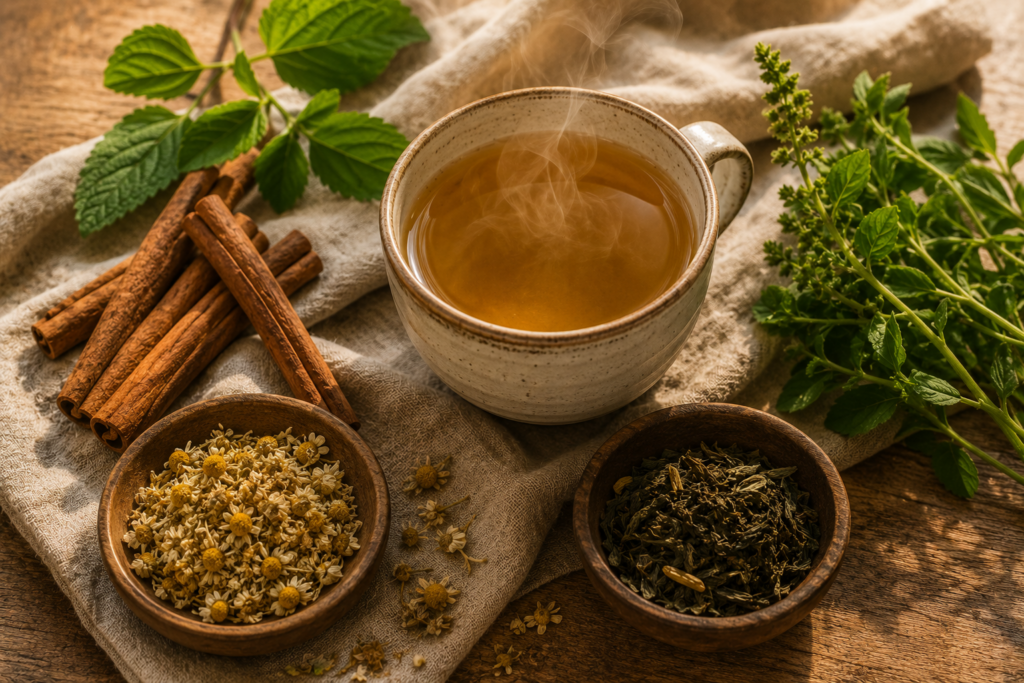
- Cinnamon tea: Ceylon cinnamon in particular has been studied for its ability to mimic insulin and improve glucose uptake in cells. I steep a cinnamon stick in hot water for 10 minutes every morning for her — it smells amazing and she actually looks forward to it.
- Gymnema sylvestre tea: Called the “sugar destroyer” in Ayurvedic medicine, gymnema has compounds that may reduce sugar absorption in the intestines. I was skeptical at first, but the studies are genuinely interesting.
- Bitter melon tea: Widely used in Asian and Caribbean traditions, bitter melon contains polypeptide-p, which behaves similarly to insulin. The taste is intense — we add a little lemon to make it more palatable.
- Green tea: Rich in EGCG (epigallocatechin gallate), green tea has been shown in multiple studies to improve insulin sensitivity and reduce fasting blood glucose levels. This one is an easy daily habit.
- Fenugreek seed tea: Fenugreek seeds are high in soluble fiber, which slows sugar absorption after meals. Steeping a teaspoon of seeds overnight creates a mild, slightly maple-scented tea that pairs well with breakfast.
Using herbal tea for blood sugar control naturally doesn’t mean abandoning everything else — it means layering supportive habits on top of each other. These teas became a ritual for us, not a replacement for medical care.
⚡ Balance Your Blood Sugar with Sugar Defender
Thousands of people are combining these habits with Sugar Defender — a plant-based liquid formula designed to support healthy blood sugar levels and natural energy, without stimulants.
Learn More →Best Teas for Insulin Resistance
If insulin resistance is the underlying issue — which is true for most people with type 2 diabetes and prediabetes — certain teas stand out for directly targeting how your cells respond to insulin. Teas for insulin resistance like green tea and berberine tea have been shown in clinical studies to activate AMPK, a cellular pathway that improves glucose uptake even when insulin signaling is impaired. My mom’s endocrinologist actually nodded along when I mentioned we’d added these to her routine — it wasn’t something she dismissed as “just folk medicine.”
What makes teas for insulin resistance different from teas that simply lower blood sugar in the moment is that they work on the root mechanism — helping your cells “hear” insulin’s signal again. Cinnamon and gymnema sylvestre, in particular, have research showing improvements in insulin sensitivity markers over weeks of consistent use, not just temporary glucose dips after a single cup.
How to Use Herbal Tea for Blood Sugar Control Naturally
Knowing which teas help is one thing — knowing how to actually use them is another. I made plenty of mistakes early on, like brewing teas too weak to have any effect, or drinking them at the wrong time of day. Here’s what I eventually figured out, and what actually made a difference for my mom. Pairing your tea routine with foods that lower blood sugar naturally can amplify the results significantly.
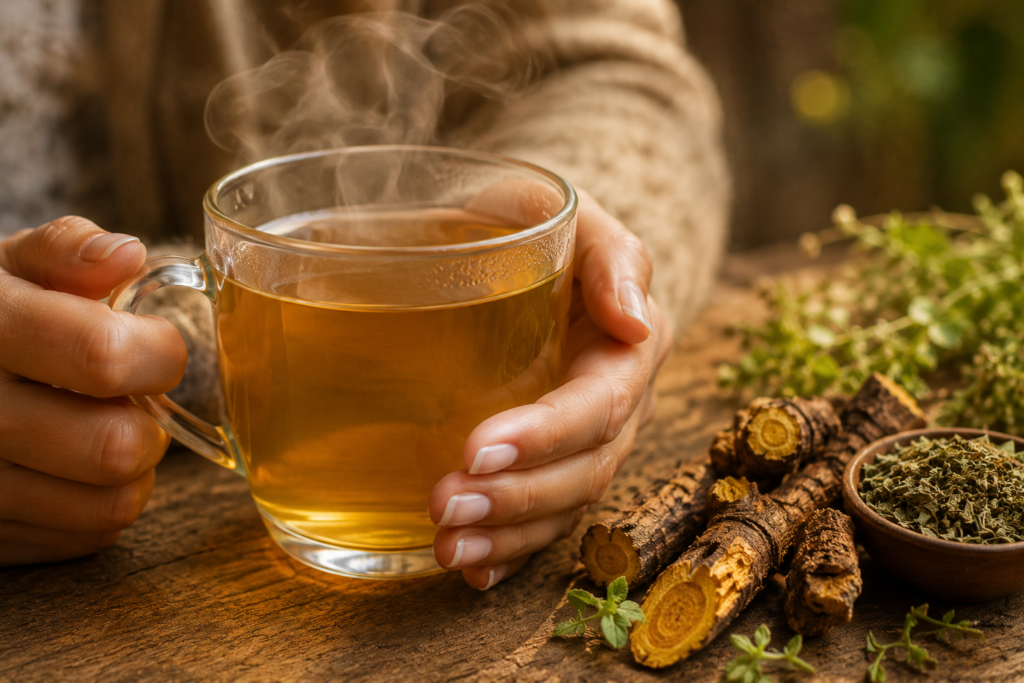
- Timing matters: Drinking blood-sugar-supportive teas 20–30 minutes before meals seems to be most effective, especially for teas like gymnema and bitter melon that work on absorption.
- Brew strength: Most herbal teas need at least 8–10 minutes of steeping to release active compounds. Don’t rush it.
- Consistency is key: We saw the most noticeable changes after about 3–4 weeks of daily use, not after a single cup.
- Rotation helps: Rather than drinking one tea every single day, we rotate through 3–4 different options each week. This prevents adaptation and keeps things interesting.
- Skip the sugar: It sounds obvious, but adding sweeteners defeats the purpose. A slice of lemon or a tiny pinch of cardamom makes most herbal teas more enjoyable without affecting glucose.
Making herbal tea for blood sugar control naturally a sustainable habit really comes down to building it into routines that already exist — morning coffee time, after dinner wind-down, or afternoon slumps when cravings hit hardest.
What the Science Actually Says
I want to be upfront here: I’m not a doctor or a nutritionist. Everything I share comes from reading research papers late at night and paying close attention to how my mom responded over time. That said, the science on several of these teas is genuinely encouraging. Studies on cinnamon, green tea, and berberine in particular show statistically significant effects on fasting glucose and HbA1c in people with type 2 diabetes or prediabetes. If you’re exploring natural approaches to reversing prediabetes, tea can be a meaningful piece of that puzzle.
What I find most compelling is that these aren’t isolated compounds in a lab — they’re whole-plant preparations with complex phytochemical profiles that seem to work synergistically. The research isn’t perfect, and many studies are small or short-term, but the direction of the evidence is consistent. Using herbal tea for blood sugar control as a complementary strategy — not a replacement for medication — is where the evidence seems most solid.
Tips for Getting the Most Out of Your Tea Routine
After everything I’ve learned supporting my mom, here are the practical takeaways I wish someone had told me at the beginning. Using herbal tea for blood sugar control naturally works best as part of a broader lifestyle approach.
- Keep a simple journal tracking which teas you drink and when, alongside blood sugar readings if you monitor them — patterns become visible over time.
- Buy from reputable sources that third-party test for purity, since herbal supplement quality varies enormously.
- Talk to your doctor before adding anything new, especially if you’re on medication, since some herbs can interact with diabetes drugs.
- Start with one new tea at a time so you can actually tell what’s making a difference.
- Don’t overlook the ritual itself — the act of slowing down, sitting quietly, and drinking something warm has its own stress-reducing benefit, and stress management is a real factor in blood sugar regulation.
My mom isn’t “cured” — type 2 diabetes doesn’t work that way. But she feels better, her numbers have been more stable, and she genuinely enjoys her tea routine. That’s more than I could have hoped for when I first started researching. If you’re on a similar journey, I hope this gives you a solid, honest starting point. Small, consistent steps add up — and sometimes the most powerful thing in your kitchen is a humble cup of tea.
❓ Frequently Asked Questions
What is the best tea for insulin resistance?
Green tea and berberine tea have the strongest research support for improving insulin resistance, both shown to activate AMPK and improve how cells respond to insulin. Cinnamon tea and gymnema sylvestre tea are also well-studied options that work well in rotation with these.
How long does it take for tea to improve insulin resistance?
Most studies showing improvements in insulin sensitivity from teas like green tea and cinnamon measured results after 8 to 12 weeks of daily consumption. Some people notice changes in energy and post-meal glucose readings within 3 to 4 weeks of consistent use.
Can drinking tea reverse insulin resistance completely?
Tea alone is unlikely to fully reverse insulin resistance, but it can be a meaningful part of a broader approach that includes diet, exercise, sleep, and weight management. Research shows teas can meaningfully improve insulin sensitivity markers, especially when combined with other lifestyle changes.
When is the best time to drink tea for insulin resistance?
Drinking insulin-supportive teas like gymnema and bitter melon 20 to 30 minutes before meals appears most effective, since these work partly by affecting how sugar is absorbed during digestion. Green tea and cinnamon tea can be enjoyed any time of day as part of a daily routine.
Is it safe to drink multiple teas for insulin resistance together?
Rotating between 3 to 4 different teas throughout the week is generally well tolerated and may prevent the body from adapting to a single compound. However, anyone on diabetes medication should check with their doctor first, since some herbs like berberine and bitter melon can interact with prescription drugs.
📊 naturalbloodsugartips.com
🩸 Support Healthy Blood Sugar with Sugar Defender
Sugar Defender combines 8 carefully selected plant-based ingredients to support glucose metabolism, reduce cravings, and boost energy naturally. FTC-compliant, made in a GMP-certified facility.
👉 See Official Page*Results may vary. Affiliate link.
About the Author
I’m not a doctor or nutritionist — I’m a daughter who has been caring for my mother since her type 2 diabetes diagnosis. That journey pushed me to research natural alternatives and evidence-based lifestyle changes. Everything I share comes from that personal mission: to help my mom live better, with more energy and less dependence on medication. Always consult your healthcare provider before making any changes to your treatment plan.
⚕️ Medical Disclaimer: I am not a medical professional. This blog reflects my personal research caring for a family member with diabetes. For informational purposes only — not medical advice. Always consult a qualified healthcare provider.
📚 Scientific References
- Akilen R, et al. “Glycated haemoglobin and blood pressure-lowering effect of cinnamon in multi-ethnic Type 2 diabetic patients in the UK: a randomized, placebo-controlled, double-blind clinical trial.” Diabet Med. 2010;27(10):1159-1167. PMID: 20854384.
- Liu CY, et al. “Effects of green tea extract on insulin resistance and glucagon-like peptide 1 in patients with type 2 diabetes and lipid abnormalities.” J Agric Food Chem. 2014;62(31):7709-7716. PMID: 25050823.
- Yin J, et al. “Berberine improves glucose metabolism through induction of glycolysis.” Am J Physiol Endocrinol Metab. 2008;294(1):E148-156. PMID: 17971514.
- Leach MJ, Kumar S. “Cinnamon for diabetes mellitus.” Cochrane Database Syst Rev. 2012;(9):CD007170. PMID: 22972104.