
10 Signs of Poor Gut Health in Women (Don’t Ignore)

📋 Table of Contents
A few years ago, I watched my mom struggle with something nobody seemed to take seriously. She was constantly bloated, exhausted no matter how much she slept, and dealing with skin flare-ups that came out of nowhere. Her doctor kept focusing on her type 2 diabetes numbers, and while I understood that, I had a gut feeling — pun intended — that something deeper was going on. That’s when I started doing my own research and stumbled onto a rabbit hole I never expected. The more I read, the more I realized her symptoms matched almost every single one of the signs of poor gut health in women that researchers and integrative health experts keep writing about. It changed everything about how we approached her wellness.
If you’re a woman and something just feels off — whether it’s your digestion, your mood, your energy, or even your skin — this article is for you. I’m not a doctor or nutritionist. I’m just a daughter who did a lot of reading, a lot of experimenting, and found some genuinely helpful patterns worth sharing.
Why Gut Health Matters More Than You Think
The gut is often called the “second brain,” and once I understood why, so much about my mom’s health started making sense. Your gut houses trillions of bacteria, fungi, and other microorganisms that collectively make up the gut microbiome. These tiny organisms influence everything from digestion and immunity to hormone balance, mood regulation, and even blood sugar control. For women especially, the gut plays an outsized role because of how closely it interacts with hormonal cycles, estrogen metabolism, and the stress response system.
When that microbial balance gets thrown off — a state called dysbiosis — the ripple effects can show up in the most unexpected places. And here’s the thing: most women I’ve talked to have been living with these symptoms for years, chalking them up to stress, aging, or just “being a woman.” But once we started paying attention and making changes to improve gut health naturally fast, the difference was genuinely remarkable.
🧠 Clear the Fog — Try The Brain Song
An increasing number of people dealing with brain fog and memory lapses are discovering The Brain Song — a unique cognitive support program that combines targeted nutrients with a science-backed auditory approach to mental clarity.
Check Availability Inside the US →Common Signs of Poor Gut Health in Women
10 Signs of Poor Gut Health in Women
Consult a healthcare provider for a proper diagnosis if you experience persistent symptoms.
📊 naturalbloodsugartips.com
Let’s start with the symptoms that are easier to spot. These were the ones I noticed first in my mom, and they’re also the ones that come up most in the research I’ve read. Recognizing the signs of poor gut health in women early can make a real difference in how quickly you can turn things around.
- Chronic bloating and gas: Not just the occasional post-meal discomfort, but persistent bloating that makes you feel like you’ve swallowed a balloon by mid-afternoon. This is often a sign of bacterial imbalance or impaired digestion.
- Irregular bowel movements: Whether it’s constipation, diarrhea, or a frustrating back-and-forth between the two, inconsistent bowel habits are a classic red flag. The gut microbiome plays a major role in stool consistency and transit time.
- Frequent heartburn or acid reflux: Many people assume this means too much stomach acid, but it can actually be a sign of disrupted gut flora and impaired digestive function.
- Unexplained fatigue: I was surprised to learn how directly gut health ties into energy levels. When your gut isn’t absorbing nutrients efficiently, your cells simply don’t get enough fuel, and you feel it every single day.
- Food intolerances that seem to multiply: If you’re suddenly reacting to foods you used to tolerate fine — dairy, gluten, certain vegetables — your gut lining may be compromised, allowing undigested particles to trigger immune responses.
Hidden Signs of Poor Gut Health Women Often Miss
This section is where things got really eye-opening for me. Some of the signs of poor gut health in women have nothing to do with your stomach at all — at least not on the surface. I had no idea that what was happening in Mom’s gut could be showing up on her face, in her mood, and even in her ability to think clearly.
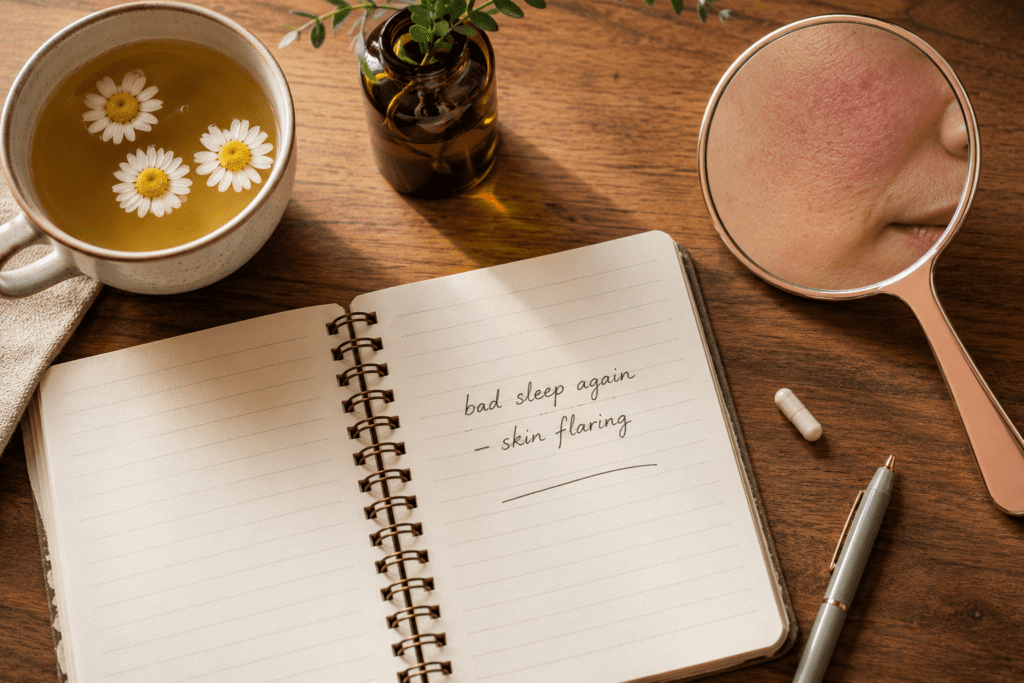
- Skin issues like acne, rosacea, or eczema: The gut-skin axis is real. When inflammatory signals from a disrupted gut microbiome travel through the bloodstream, they often show up as skin flare-ups. We saw this clearly with my mom’s recurring rashes.
- Mood changes, anxiety, or low-grade depression: About 90% of the body’s serotonin — the feel-good neurotransmitter — is produced in the gut. An imbalanced microbiome can directly affect your emotional baseline in ways that are easy to misattribute to stress or hormones alone.
- Brain fog and difficulty concentrating: If you’re struggling to find words, losing your train of thought, or feeling mentally “slow,” your gut may be part of the story. There’s a well-documented gut-brain connection through the vagus nerve, and when gut health suffers, mental clarity often does too. Looking into brain fog natural relief remedies led me to discover just how central the gut is to cognitive function.
- Frequent illness or slow recovery: Since roughly 70% of the immune system lives in the gut, chronic dysbiosis can leave you more vulnerable to colds, infections, and general immune sluggishness.
- Hormonal imbalances and worsened PMS: The gut helps process and eliminate excess estrogen. When it’s not working properly, estrogen can recirculate in the body, worsening symptoms like painful periods, mood swings, and even contributing to conditions like endometriosis.
What’s Disrupting Your Gut and What You Can Do
Once I identified so many of these signs in my mom, the next question was obvious: what’s causing this? The honest answer is that modern life is pretty rough on the gut microbiome. Some of the biggest culprits I kept reading about include a diet high in processed foods and sugar, overuse of antibiotics, chronic stress, poor sleep, and low fiber intake. For women with diabetes like my mom, blood sugar swings themselves can also feed harmful gut bacteria, creating a frustrating cycle.
The systemic inflammation that often goes hand-in-hand with gut imbalance is also worth paying attention to. I found that looking into natural remedies inflammation and fatigue gave us a much more complete picture of what was happening in her body and how interconnected everything really is. Reducing inflammatory triggers — particularly refined sugar and ultra-processed snacks — made a noticeable difference within just a few weeks.
Simple Steps to Start Healing Your Gut Today
I want to be clear: I’m sharing what worked for us through a combination of research and careful observation, not prescribing a medical plan. That said, these are the practical shifts we made that aligned with what the research supports.
- Add fermented foods daily: Plain yogurt with live cultures, kefir, kimchi, sauerkraut, and miso are all rich in naturally occurring probiotics. My mom started with a small cup of plain kefir each morning and noticed less bloating within two weeks.
- Prioritize fiber from whole plants: Prebiotic fibers from foods like garlic, onions, leeks, asparagus, bananas, and oats feed the beneficial bacteria in your gut. We aimed for a variety of colorful vegetables at every meal.
- Reduce sugar and processed food intake: Harmful gut bacteria thrive on sugar and refined carbohydrates. Cutting back — even gradually — can shift the microbial balance meaningfully over time.
- Manage stress consistently: Easier said than done, I know. But chronic stress floods the gut with cortisol, which disrupts the microbiome. We found gentle walks after dinner and a consistent bedtime routine genuinely helped.
- Stay well hydrated: Water supports the mucosal lining of the intestines and helps move things through. My mom dramatically underestimated how much water she needed each day — aiming for at least eight glasses made a real difference in her digestion.

Don’t Wait for Things to Get Worse
If you’ve been nodding along while reading this, please don’t brush it off. So many of the signs of poor gut health in women are easy to dismiss as “just how you are” — but they don’t have to be your normal. Your gut is central to almost every system in your body, and when you start taking care of it, the improvements can ripple out in ways you genuinely didn’t expect. I’ve seen it firsthand with my mom, and it’s made me a true believer in paying attention to what your gut is telling you. Start small, stay consistent, and be patient with yourself. Healing takes time, but it absolutely happens.
🎵 Give Your Brain the Frequency It’s Been Missing
The Brain Song takes a completely different approach to brain health — combining a carefully formulated supplement with a proprietary audio frequency protocol designed to support memory, focus, and long-term cognitive function.
👉 Claim Your Supply With Free Shipping Today⚠️ Update: Due to high demand, stock is limited. Check availability now.
*Results may vary. Affiliate link.

About the Author — Sarah
I’m not a doctor or nutritionist — I’m a daughter who has been caring for my mother since her type 2 diabetes diagnosis. That journey pushed me to research natural alternatives and evidence-based lifestyle changes. Everything I share comes from that personal mission: to help my mom live better, with more energy and less dependence on medication. Always consult your healthcare provider before making any changes to your treatment plan.
⚕️ Medical Disclaimer: I am not a medical professional. This blog reflects my personal research caring for a family member with diabetes. For informational purposes only — not medical advice. Always consult a qualified healthcare provider.
📚 Scientific References
- Cryan JF, O’Riordan KJ, Cowan CSM, et al. The Microbiota-Gut-Brain Axis. Physiological Reviews. 2019;99(4):1877-2013. PMID: 31460832.
- Thursby E, Juge N. Introduction to the human gut microbiota. Biochemical Journal. 2017;474(11):1823-1836. PMID: 28512250.
- Baker JM, Al-Nakkash L, Herbst-Kralovetz MM. Estrogen-gut microbiome axis: Physiological and clinical implications. Maturitas. 2017;103:45-53. PMID: 28778332.
- Belkaid Y, Hand TW. Role of the microbiota in immunity and inflammation. Cell. 2014;157(1):121-141. PMID: 24679531.