
Natural Ways to Lower Morning Blood Sugar Spikes for Good
If you wake up feeling groggy, puffy, or already running on empty before the day begins, your morning blood sugar could be the culprit. Millions of Americans experience elevated fasting glucose despite eating relatively well — a frustrating cycle that can quietly damage blood vessels, disrupt energy, and raise long-term health risks. The good news is that there are proven, practical strategies to lower morning blood sugar spikes without relying solely on medication. This guide walks you through exactly what’s happening in your body overnight and what you can do, starting tonight, to wake up with steadier glucose levels.

The phenomenon behind those stubborn morning numbers is known as the “dawn phenomenon.” In the early morning hours — typically between 2 a.m. and 8 a.m. — your body releases a surge of hormones including cortisol, glucagon, and growth hormone. These hormones signal the liver to release stored glucose, preparing you for the day ahead. For people with insulin resistance or type 2 diabetes, this natural process can push fasting blood sugar well above the healthy range of 70–99 mg/dL. Understanding this mechanism is the first step toward addressing it intelligently.
Research consistently shows that lifestyle modifications can meaningfully reduce fasting glucose. A 2022 review published in Nutrients found that structured dietary and behavioral changes reduced fasting blood glucose by an average of 15–20% in adults with prediabetes over 12 weeks. That’s significant — and entirely achievable without drastic measures. The strategies below are rooted in that same body of evidence.
🎁 Free 7-Day Blood Sugar Reset Guide
Enter your email below and get instant access to the exact daily habits that help stabilize blood sugar naturally — starting tomorrow morning.
How Your Evening Routine Helps Lower Morning Blood Sugar Spikes
What you do in the hours before bed has a surprisingly powerful influence on your fasting glucose. One of the most evidence-backed strategies is a short walk after dinner. A study published in Diabetes Care found that a 15-minute post-meal walk reduced postprandial blood sugar by up to 22% compared to remaining sedentary. Because dinner is often the largest meal of the day, taming that post-dinner spike directly reduces the glucose load your liver is working with overnight — which in turn moderates the dawn phenomenon response. To lower morning blood sugar spikes naturally, aim for a 15–20 minute walk within 30 minutes of finishing your last meal.
Your evening snack choices also matter more than most people realize. Eating high-glycemic foods late at night — crackers, chips, sweetened yogurt, or fruit juice — keeps insulin levels elevated and can trigger reactive hypoglycemia followed by a compensatory glucose spike in the early morning hours. Instead, if you need a snack, choose options that are high in protein and healthy fat and low in simple carbohydrates. A small handful of almonds, a hard-boiled egg, or a tablespoon of almond butter on a celery stick are smart choices that stabilize blood sugar rather than destabilize it.
⚡ Complement Your Efforts with GlucoExtend
Many people combine these natural habits with GlucoExtend — a science-backed supplement formulated to support healthy blood sugar levels. Made in the USA with clinically studied ingredients.
Learn More →Dietary Strategies That Naturally Lower Morning Blood Sugar Spikes
Diet is the cornerstone of blood sugar regulation, and a few key adjustments can make a dramatic difference in your morning readings. The goal is to reduce the overall glycemic burden your body is managing throughout the day — particularly in the second half of it. Here are the most impactful dietary strategies supported by clinical research:
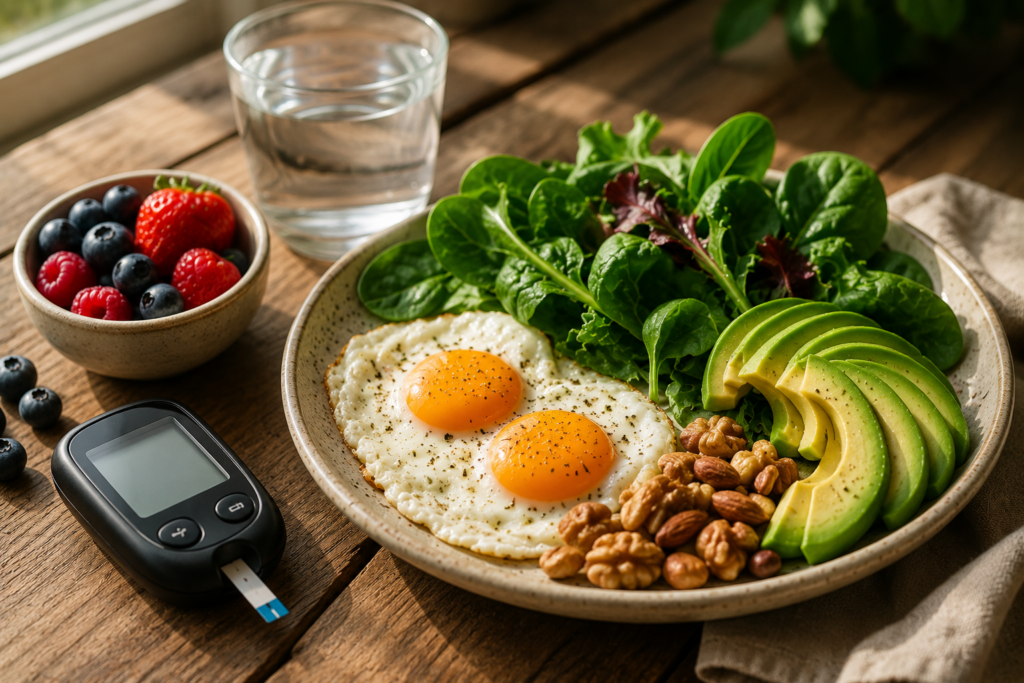
- Eat a low-carb dinner. Reducing refined carbohydrates at dinner to under 30 grams has been shown in multiple trials to lower fasting glucose by 10–15 mg/dL within just a few days. Focus on non-starchy vegetables, lean protein, and healthy fats like olive oil or avocado.
- Add apple cider vinegar. A landmark study in Diabetes Care (2004) found that consuming 2 tablespoons of apple cider vinegar before a high-carb meal improved insulin sensitivity by 34% in insulin-resistant subjects. Try mixing it into a glass of water before dinner.
- Increase dietary fiber. Soluble fiber — found in oats, beans, flaxseed, and vegetables — slows glucose absorption and blunts post-meal spikes. Aim for at least 25–30 grams of total fiber per day.
- Try time-restricted eating. Closing your eating window earlier (finishing by 6–7 p.m.) gives your body more overnight time to clear circulating glucose before the dawn hormone surge begins. This is one of the more powerful tools to lower morning blood sugar spikes naturally.
- Front-load your calories. Research in the Journal of Nutrition shows that eating your largest meal at lunch rather than dinner leads to significantly lower fasting glucose the following morning.
Sleep, Stress, and Their Hidden Role in Morning Glucose
Two factors that are frequently overlooked — sleep quality and chronic stress — can raise your fasting glucose just as powerfully as a slice of cake before bed. Poor sleep directly impairs insulin sensitivity. A study from the University of Chicago found that just two nights of shortened sleep (4–5 hours) reduced insulin sensitivity by 25%. Cortisol, your primary stress hormone, is also a potent glucose-raising agent. People with high chronic stress often show elevated fasting glucose even when their diet is clean.
To address these two pillars and lower morning blood sugar spikes naturally, consider the following habits:
- Maintain a consistent sleep schedule — going to bed and waking up at the same time every day, even on weekends, stabilizes cortisol rhythms.
- Keep your bedroom cool and dark. Research suggests sleeping in a room around 65–68°F improves sleep quality and metabolic health markers.
- Practice a wind-down routine. Even 10 minutes of deep breathing, progressive muscle relaxation, or gentle stretching before bed can lower cortisol and improve overnight glucose regulation.
- Limit alcohol in the evening. While alcohol may initially lower blood sugar, the liver’s response to clearing it often produces a rebound glucose spike by morning.

Morning Habits That Reinforce Lower Blood Sugar Through the Day
What you do in the first 30 minutes after waking can either set you up for stable glucose or accelerate the morning spike. Resist the urge to reach for a high-carb breakfast like cereal, toast, or a sweetened coffee drink — these can send already-elevated morning glucose even higher. Instead, build a protein-forward breakfast: eggs, Greek yogurt, cottage cheese, or smoked salmon pair beautifully with non-starchy vegetables and keep blood sugar flat for hours.
Morning exercise is another highly effective tool. A 20-minute brisk walk or resistance training session in the morning has been shown to improve insulin sensitivity for up to 24 hours. Over time, consistent morning movement is one of the most reliable ways to lower morning blood sugar spikes naturally and keep them lower throughout the day. Even hydration plays a role — drinking 16 ounces of water first thing in the morning helps flush excess glucose through the kidneys and supports overall metabolic function.
Conclusion: Start Tonight, See Results by Morning
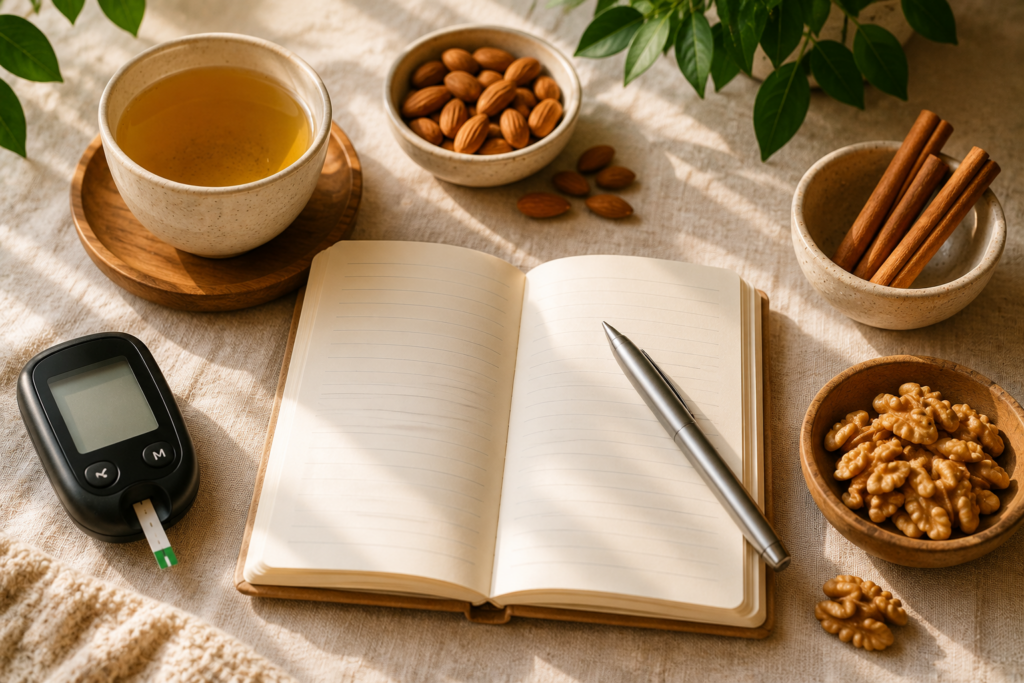
You don’t need a dramatic overhaul to begin seeing results. Start with one or two changes — a post-dinner walk, a lower-carb dinner, an earlier eating cutoff — and build from there. Fasting glucose is one of the most responsive metabolic markers to lifestyle change, which means your efforts can show up on your glucometer within days, not months. The key is consistency. Every morning you wake up with stable blood sugar is a morning your body is protected from the cumulative damage that chronically elevated glucose causes.
Track your numbers, notice the patterns, and celebrate the wins. To lower morning blood sugar spikes naturally, you don’t need perfection — you need persistence and the right daily habits stacked in your favor. Start tonight.
🌿 Support Your Blood Sugar with GlucoExtend
GlucoExtend is a doctor-formulated supplement designed to help maintain healthy blood sugar levels naturally. Thousands of people use it daily alongside smart food choices to wake up with more energy and stable glucose levels.
👉 See Official Page*Results may vary. Affiliate link.
⚕️ Medical Disclaimer: This article is for informational purposes only and does not constitute medical advice. Always consult a qualified healthcare provider before making changes to your diet, supplements, or treatment plan.