
What Is the Best Berberine Supplement for Blood Sugar Support? (Science-Backed Guide)
⚡ Quick Answer
The best berberine supplement for blood sugar support is one that your body can actually absorb consistently — and that you can tolerate long enough to see results. Berberine HCl capsules are the most studied, but they cause digestive issues in many people and have poor bioavailability. Transdermal berberine patches (like Purisaki) deliver berberine directly through the skin, bypassing the GI tract entirely — better absorption, no stomach side effects, and steady all-day release.
📋 Table of Contents
- Why berberine actually works for blood sugar
- The absorption problem most people never hear about
- Forms of berberine compared: HCl, phytosome, and transdermal
- Who should avoid berberine capsules (and what to use instead)
- How to get the best results from berberine
- What the research actually says — without the hype
- Frequently asked questions
I used to think the berberine conversation was simple: take 500mg three times a day, watch your blood sugar improve. Then I started reading the actual studies — not the supplement brand blogs, the peer-reviewed trials — and my entire picture of this compound shifted. What I found explains why so many people try berberine, quit within a month because of stomach cramps, and conclude it “didn’t work.” It did work. The delivery method just failed them.
If you are researching the best berberine supplement for blood sugar support right now, this guide is going to save you a lot of frustration. Not because I am going to tell you berberine is magic — it is not. But because understanding how berberine works at a cellular level completely changes what form you should be taking it in.
Why berberine actually works for blood sugar
Berberine is an alkaloid compound found in several plants, including barberry, goldenseal, and Oregon grape. It has been used in traditional Chinese and Ayurvedic medicine for centuries, but what makes it genuinely interesting is the mechanism researchers identified in the early 2000s: berberine activates an enzyme called AMPK — adenosine monophosphate-activated protein kinase.
AMPK is sometimes called the body’s “metabolic master switch.” When it is activated, several things happen simultaneously: your cells become more sensitive to insulin, your liver slows down its glucose production (a major driver of high fasting blood sugar), and your muscles take up glucose more efficiently. This is the same pathway that metformin — one of the most prescribed diabetes medications in the world — targets. That comparison is not coincidental. Clinical research has directly pitted berberine against metformin in head-to-head trials, and the results have been consistently close.
Here is the counterintuitive part: berberine does not lower blood sugar by increasing insulin production. It makes your existing insulin work better. This matters because for the tens of millions of people with insulin resistance or prediabetes, the problem is not that the pancreas is not making enough insulin — it is that the cells are ignoring it. Berberine addresses the actual mechanism behind that problem.
But here is where it gets interesting: knowing that berberine works is not the same as knowing how to make it work for you. And that depends almost entirely on how your body absorbs it.
The absorption problem most people never hear about
This is the piece of the berberine puzzle that supplement brands rarely talk about, because it is inconvenient for anyone selling capsules. Berberine HCl — the most common form in supplements — has very poor oral bioavailability. Studies estimate that only 5% of the berberine in a standard capsule actually reaches systemic circulation. The rest stays in your gastrointestinal tract.
That residual berberine sitting in your gut is not doing nothing — it is actually disrupting your gut microbiome and irritating the intestinal lining. This is why berberine’s most commonly reported side effects are GI-related: cramping, bloating, diarrhea, and nausea. And this is why the standard advice to “split your dose” (500mg twice daily rather than 1000mg at once) helps somewhat — it reduces the concentration hitting your gut at any one time. But it does not solve the underlying absorption problem.
The research on this is clear. One study found that peak plasma concentrations of berberine after oral dosing were extremely low and inconsistent between individuals. Another found that despite these low blood levels, some metabolites of berberine — particularly berberrubine and dihydroberberine — are more bioavailable and may account for much of the clinical effect. This suggests berberine’s activity in the body is more complex than the label on any capsule bottle implies.
What I found next surprised me more than anything in my research: the delivery method matters more than the dose.
Forms of berberine compared: HCl, phytosome, and transdermal
Berberine delivery forms compared
| Feature | HCl Capsule | Transdermal Patch |
|---|---|---|
| Bioavailability | ~5% (poor) | Consistent systemic |
| GI side effects | Common (cramping, nausea) | None (bypasses gut) |
| Release profile | Spikes and drops | Steady all-day release |
| Convenience | 3x daily dosing | 1 patch per day |
| Compliance (long-term) | Low (side effects) | High |
📊 naturalbloodsugartips.com
Berberine HCl is the cheapest and most widely available form. If you can tolerate the GI side effects and you are diligent about splitting your doses, it produces real results — the clinical evidence is strong. The problem is that most people cannot maintain consistent use for the 8 to 12 weeks needed to see meaningful changes in HbA1c or fasting glucose. The stomach issues become the reason they quit.
Berberine phytosome (berberine bound to phospholipids) is a significant upgrade. Research suggests absorption is 3 to 5 times higher compared to standard HCl, and GI side effects are reduced. The downside is cost — phytosome supplements tend to be considerably more expensive, and fewer long-term human trials exist for this form specifically.
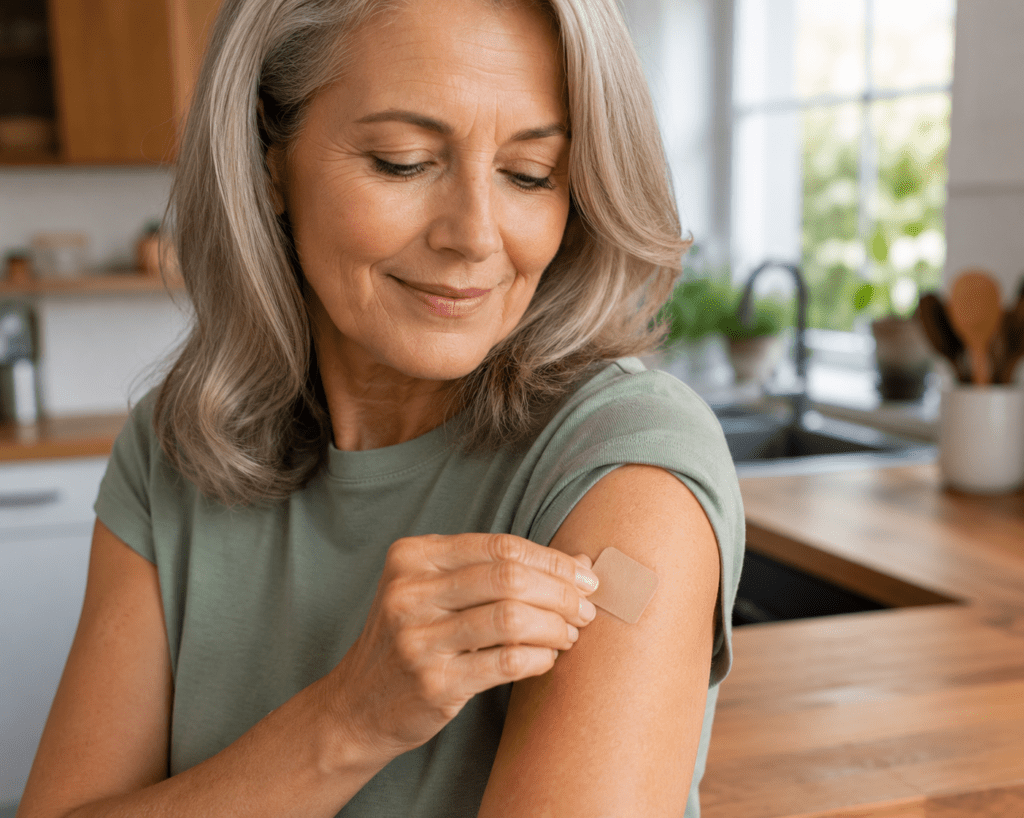
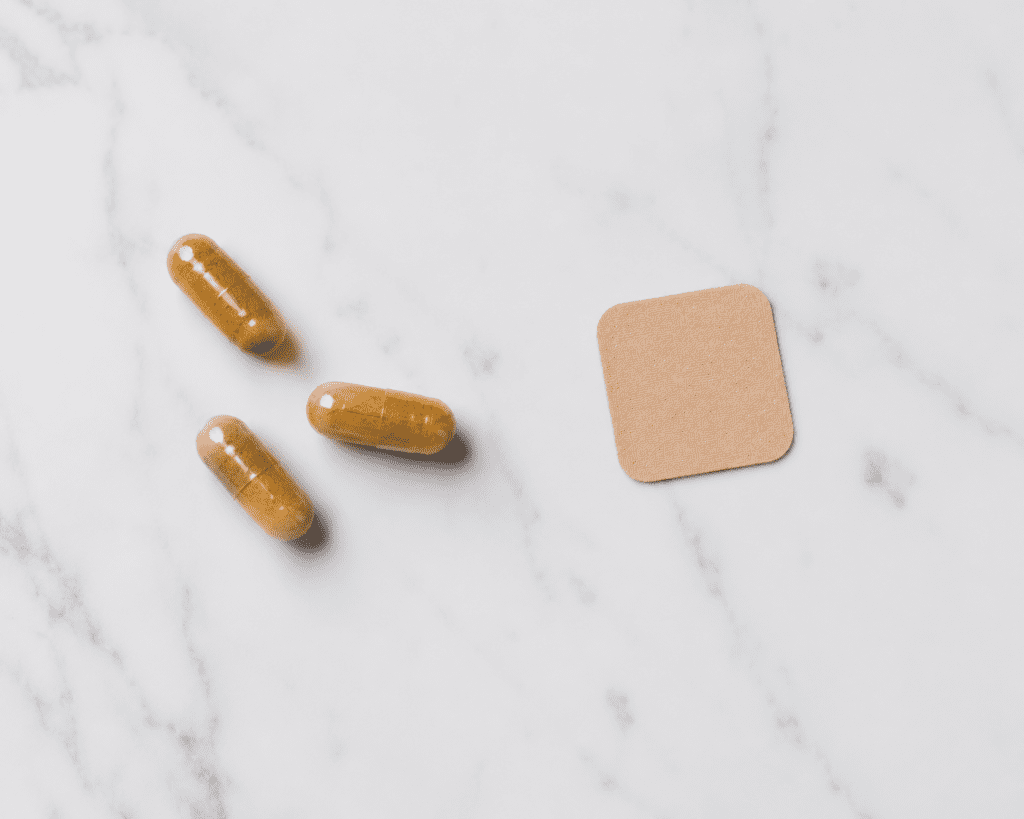
Transdermal berberine takes a completely different approach. Rather than passing through the digestive system at all, berberine in patch form is absorbed directly through the skin into the bloodstream. This eliminates GI side effects by definition — there is no digestive system involved. It also provides a slower, steadier release profile throughout the day, which more closely mirrors how the body responds to ongoing metabolic support rather than episodic pill spikes. For people who have tried berberine capsules and stopped because of stomach issues, this is often the format that finally lets them stay consistent long enough to see real results.
For people researching how long berberine takes to lower blood sugar, the delivery format directly affects the timeline — better absorption means more consistent results, typically within the 8–12 week window that most studies use.
After going deep into the delivery research, I kept coming back to one product that actually solved the absorption and compliance problem at the same time. The issue with most berberine supplements is not the berberine itself — it is that most people cannot stay on capsules long enough. The formula I found addresses that directly. That formula is Purisaki Berberine Patches.
If you’ve tried berberine capsules and dealt with digestive discomfort, Purisaki Berberine Patches offer a smarter solution — a plant-based transdermal patch that delivers berberine directly through the skin, bypassing digestion entirely.
See How Purisaki Berberine Patches Work →*Individual results may vary. Always consult your healthcare provider.
Who should avoid berberine capsules (and what to use instead)
Not everyone reacts to berberine capsules poorly, but there are clear patterns in who tends to struggle. If any of the following apply to you, a non-oral berberine format is likely a better starting point than capsules.
- You have IBS or a sensitive gut. Berberine’s antimicrobial activity is indiscriminate — it affects beneficial gut bacteria as well as harmful ones. For anyone with an already-compromised microbiome, this can exacerbate existing symptoms significantly.
- You are on multiple medications. Berberine inhibits certain liver enzymes (CYP2D6 and CYP3A4) that metabolize many common drugs. This is not unique to transdermal delivery, but it is worth noting — and always worth discussing with your doctor.
- You have tried berberine capsules before and stopped. This is the most important group. The research on berberine is robust, but it assumes you take it consistently. If side effects caused you to quit, the compound never had the chance to work. A different delivery method changes that equation entirely.
- You travel frequently or have an irregular schedule. Three-times-daily dosing is difficult to maintain consistently. A once-daily patch removes that variable.
It is also worth understanding that berberine works best as part of a broader strategy. Looking at natural ways to curb sugar cravings alongside berberine supplementation tends to amplify results — because berberine improves insulin sensitivity, but dietary habits still determine how much glucose you are asking that system to manage.
How to get the best results from berberine
The research on berberine dosing is fairly consistent: the effective clinical range is 500mg to 1500mg per day, typically divided into doses before meals for capsule forms. For transdermal delivery, the dosing logic is different — absorption is continuous, so timing relative to meals matters less.
What matters most, regardless of format, is consistency over time. Here is what the evidence supports:
How to maximize berberine results
📊 naturalbloodsugartips.com

What the research actually says — without the hype
The evidence base for berberine is more solid than most natural supplements — but it is not without nuance. A 2019 meta-analysis of 27 randomized controlled trials found that berberine significantly reduced fasting plasma glucose, postprandial glucose, and HbA1c compared to placebo. That is meaningful.
What is also true: most of those studies used populations in China where dietary patterns differ significantly from the standard American diet. The AMPK mechanism is universal, but the magnitude of effect in Western populations — with higher baseline carbohydrate intake and different gut microbiome profiles — may vary. This is not a reason to dismiss berberine. It is a reason to treat the research with appropriate precision.
The comparison to metformin comes up repeatedly. The most cited study, published in 2008 in Metabolism, randomized 116 patients with type 2 diabetes to either berberine 500mg three times daily or metformin 500mg three times daily. At 13 weeks, both groups showed comparable reductions in HbA1c, fasting glucose, and postprandial glucose. Berberine’s GI side effects were actually lower than metformin’s in that trial — though this contradicts the experience of many users who take berberine without the meal-timing discipline the trial enforced.
The bottom line: berberine is one of the most evidence-supported natural interventions for blood sugar management. The research backing it is substantive. The question has never really been whether it works — it is whether the person taking it can stay on it long enough, at a consistent enough dose, for the results to materialize. That is where delivery method becomes the deciding factor. You can also pair berberine with other evidence-based strategies — like those outlined in this guide on reversing prediabetes naturally — for a more comprehensive approach.
What it comes down to is this: if you have tried berberine before and it did not work or you could not tolerate it, the answer is rarely to give up on berberine. It is to change how you take it.
❓ Frequently Asked Questions
What is the most effective form of berberine for blood sugar control?
Berberine HCl is the most widely studied form, but berberine phytosome has significantly higher bioavailability — up to 5x better absorption. Transdermal delivery (patches) bypasses the GI tract entirely, which improves consistency of absorption and eliminates the digestive side effects that cause many people to quit berberine capsules.
How long does berberine take to lower blood sugar levels?
Most clinical studies show measurable improvements in fasting glucose and HbA1c within 8 to 12 weeks of consistent use. Some people notice reduced post-meal spikes within the first 2 to 3 weeks, especially when berberine is taken before meals.
Why does berberine cause stomach problems and how can you avoid it?
Berberine in capsule or tablet form is poorly absorbed in the gut, which means a large portion stays in the GI tract and disrupts gut bacteria — causing cramping, diarrhea, and nausea. Splitting doses helps, but transdermal patches eliminate this problem entirely by bypassing digestion.
Is berberine as effective as metformin for blood sugar?
Several head-to-head clinical trials have found berberine comparable to metformin for reducing HbA1c and fasting glucose in people with type 2 diabetes, with fewer GI side effects in some studies. However, berberine is a supplement, not a medication, and should not replace a doctor-prescribed treatment plan.
Can you take berberine patches if you are already on diabetes medication?
Berberine can enhance the effect of blood sugar-lowering medications, which means combining them without medical supervision could cause hypoglycemia. Always consult your healthcare provider before adding any berberine supplement to an existing diabetes treatment regimen.
📊 naturalbloodsugartips.com
My honest recommendation after everything I have researched
🩹 The Smarter Way to Take Berberine — Without the Stomach Pain
Purisaki Berberine Patches combine plant-based berberine with other natural ingredients in a convenient daily patch format — no pills, no stomach upset, no guesswork. Just consistent, gentle support throughout the day.
👉 Yes, I Want to Try Purisaki Berberine Patches✓ Official website | ✓ 60-day money-back guarantee | ✓ Free shipping
⚠️ Due to high demand, stock is limited. Check availability before it sells out.
*Results may vary. This is an affiliate link — I only recommend what I have researched for my own family.

About the Author — Sarah
I am not a doctor or nutritionist — I am a daughter who has been caring for my mother since her type 2 diabetes diagnosis. That journey pushed me to research natural alternatives and evidence-based lifestyle changes. Everything I share comes from that personal mission: to help my mom live better, with more energy and less dependence on medication. Always consult your healthcare provider before making any changes to your treatment plan.
⚕️ Medical Disclaimer: I am not a medical professional. This blog reflects my personal research caring for a family member with diabetes. For informational purposes only — not medical advice. Always consult a qualified healthcare provider.
📚 Scientific References
- Yin J, Xing H, Ye J. Efficacy of berberine in patients with type 2 diabetes mellitus. Metabolism. 2008;57(5):712-717. PMID: 18442638.
- Pérez-Rubio KG, González-Ortiz M, Martínez-Abundis E, et al. Effect of berberine administration on metabolic syndrome, insulin sensitivity, and insulin secretion. Metab Syndr Relat Disord. 2013;11(5):366-369. PMID: 23808999.
- Lan J, Zhao Y, Dong F, et al. Meta-analysis of the effect and safety of berberine in the treatment of type 2 diabetes mellitus, hyperlipemia and hypertension. J Ethnopharmacol. 2015;161:69-81. PMID: 25498346.
- Liang Y, Xu X, Yin M, et al. Effects of berberine on blood glucose in patients with type 2 diabetes mellitus: a systematic literature review and a meta-analysis. Endocr J. 2019;66(1):51-63. PMID: 30381602.