How Fast Does Hibiscus Tea Lower Blood Pressure? What the Research Actually Shows
⚡ Quick Answer
Hibiscus tea can begin to lower blood pressure within 2 to 6 weeks of consistent daily consumption, with some studies showing measurable reductions in as little as 2 weeks. Clinical research shows it most effectively lowers systolic blood pressure in people with mild to moderate hypertension, with effects comparable to some first-line medications in certain populations. For best results, drinking 2–3 cups per day of a standardized hibiscus preparation appears to be the sweet spot.
📋 Table of Contents
- How Quickly Does Hibiscus Tea Lower Blood Pressure? The Real Timeline
- The Science Behind Why Hibiscus Tea Lowers Blood Pressure Naturally
- How to Use Hibiscus Tea to Lower Blood Pressure Naturally — The Practical Guide
- Common Mistakes That Sabotage Your Results With Hibiscus Tea
- Who Benefits Most — And a Few Honest Cautions
- The Bottom Line on Using Hibiscus Tea to Lower Blood Pressure Naturally
- ❓ Frequently Asked Questions
It was close to midnight when I stumbled across the research that completely reframed how I thought about herbal interventions for blood pressure. I had been digging through study abstracts for hours — something I never imagined becoming a Tuesday night ritual — when the data finally clicked into place. The numbers were right there in front of me, and they explained precisely why the casual, inconsistent approach so many people take with hibiscus tea was never going to move the needle. Once I understood the mechanism and the timeline, everything changed. If you’ve been sipping hibiscus tea here and there and wondering why you’re not seeing results, this article is for you.
How Quickly Does Hibiscus Tea Lower Blood Pressure? The Real Timeline
Let’s get straight to what you came here for. Hibiscus tea lower blood pressure effects are real — but they don’t happen overnight, and they don’t happen randomly. The timeline research consistently shows is this: meaningful, measurable reductions typically appear within 2 to 6 weeks of daily, consistent consumption.
One of the most referenced trials in this space followed participants with mild-to-moderate hypertension who drank hibiscus tea daily for 6 weeks. By the end, average systolic blood pressure had dropped by 7–14 mmHg. To put that in context — that’s a clinically meaningful drop, not a rounding error. And the reductions were most pronounced in people whose baseline numbers were highest.
Here’s something most people don’t account for: the timeline is dose-dependent and consistency-dependent. Drinking one cup occasionally isn’t the same as drinking 2–3 standardized cups daily. What the research consistently shows is that the therapeutic window — the amount your body actually needs to respond — requires regularity, not heroic quantities.
A reasonable expectation, based on what the evidence shows:
- Week 1–2: Mild vasodilatory effects may begin; don’t expect dramatic readings yet.
- Week 3–4: Systolic readings may start declining measurably, especially in those with elevated baselines.
- Week 6+: Peak effects typically observed in clinical trials; consistent drinkers see the best outcomes.
What I found next, when I dug into the mechanism behind all of this, surprised me more than any of the timeline data did.
The Science Behind Why Hibiscus Tea Lowers Blood Pressure Naturally
Understanding why hibiscus works is what separates people who use it strategically from people who use it hopefully. And here’s where it gets genuinely interesting.
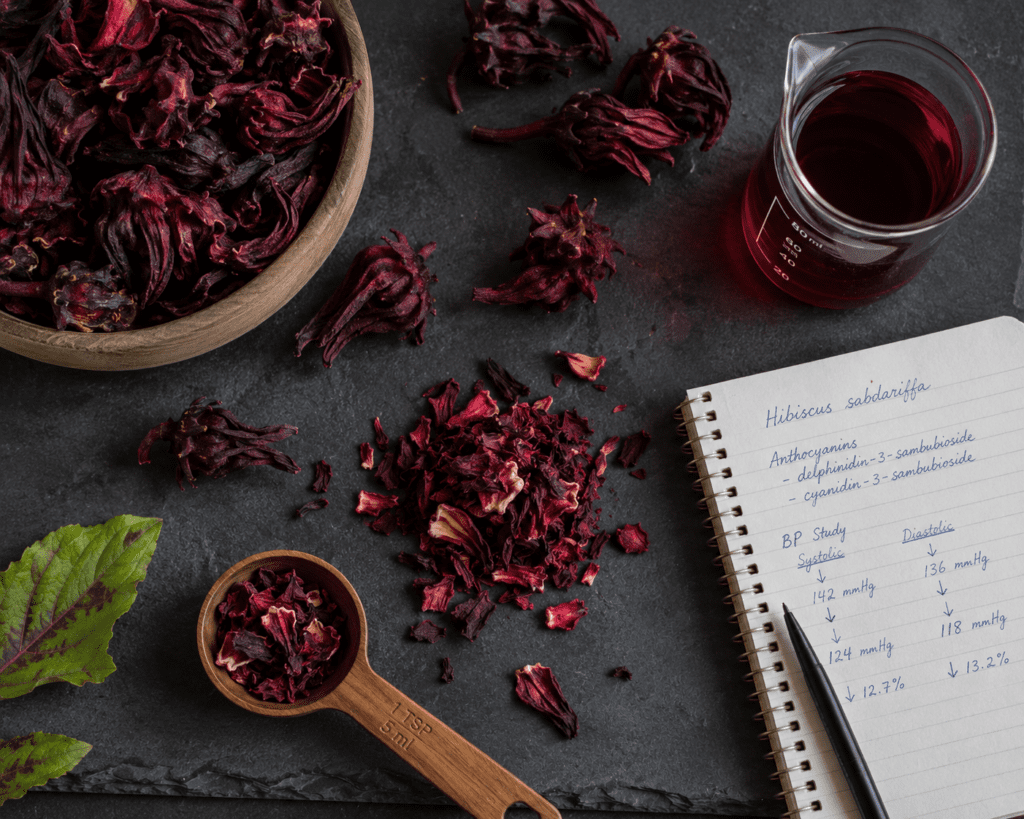
The primary active compounds in hibiscus are anthocyanins — the same pigment family responsible for its deep ruby color. But the mechanism here is actually fascinating. These anthocyanins act as natural ACE inhibitors. ACE stands for angiotensin-converting enzyme, and it’s one of the primary regulators of your blood vessel tension. When ACE activity is elevated, your blood vessels constrict, and pressure rises. Pharmaceutical ACE inhibitors — a major drug class for hypertension — work by blocking this exact pathway. Hibiscus does something remarkably similar, through a gentler, plant-based route.
But that’s not the only mechanism at play. Hibiscus also appears to have diuretic properties, helping the kidneys excrete excess sodium and fluid. Fluid volume is a direct driver of blood pressure — so reducing it helps from a completely different angle. You’re essentially getting a two-pronged approach in one deep red cup.
Here’s the counterintuitive fact most people haven’t heard: research has shown that hibiscus may be as effective as low-dose captopril (a common ACE inhibitor medication) for people with mild to moderate hypertension. A 2010 randomized controlled trial published in the Journal of Human Hypertension directly compared the two, and hibiscus performed comparably in terms of systolic reduction. That’s not a minor footnote — that’s a landmark finding that deserves far more attention than it gets in mainstream health conversations.
If you’re already exploring herbal supplements for healthy blood pressure, understanding this mechanism will help you evaluate any option more clearly — not just hibiscus.
After months of research into this exact mechanism, I kept coming back to one formula that actually addressed the root issue rather than just masking symptoms. It was developed with a clinical approach — the kind that makes sense when you understand the science behind what we just covered. That formula is Liv Pure.
Research shows that a sluggish liver can block fat burning — and Liv Pure was designed specifically to address this. Its two-part formula supports liver detoxification while activating your body’s natural fat-burning complex.
See How Liv Pure Works →*Individual results may vary. Always consult your healthcare provider.
How to Use Hibiscus Tea to Lower Blood Pressure Naturally — The Practical Guide
Knowing the science matters, but implementation is where most people fall short. Here’s exactly how to do this in a way that mirrors what the research actually tested.
Step 1: Source matters more than you think. Not all hibiscus teas are created equal. Look for products made from Hibiscus sabdariffa — the specific species used in virtually all clinical research. Blended herbal teas with trace amounts of hibiscus won’t deliver the same anthocyanin concentration.
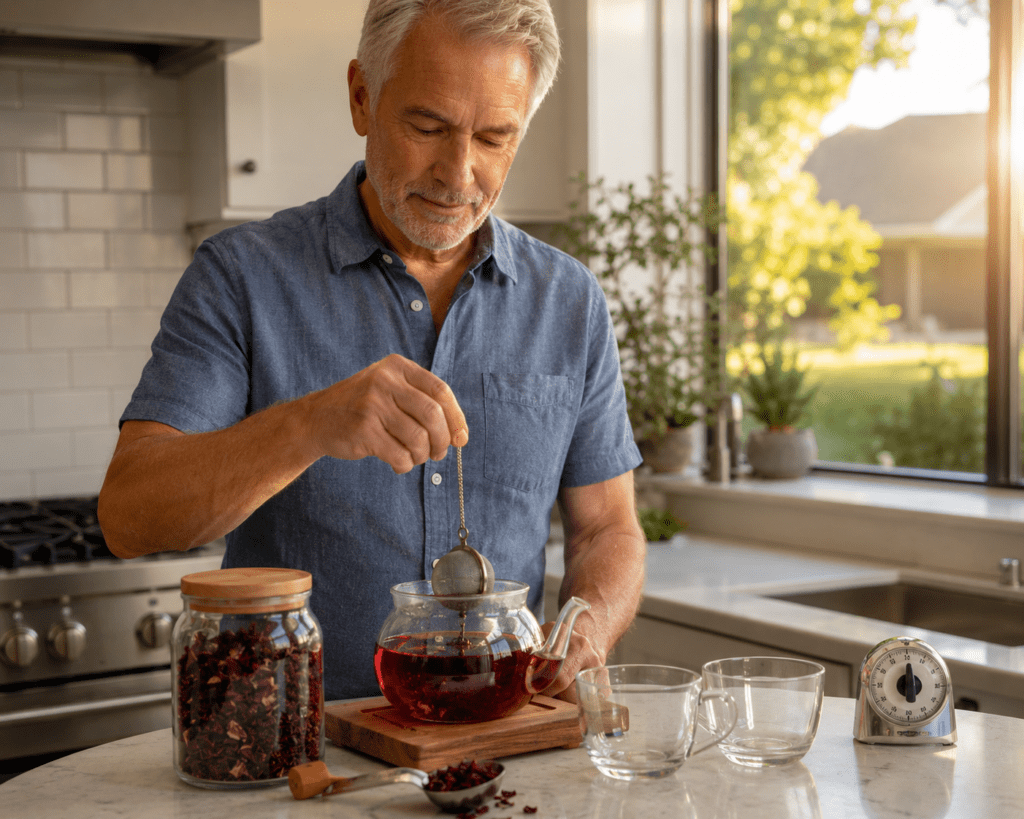
Step 2: Brew it correctly. Use 1.5 to 2 teaspoons of dried hibiscus petals (or one standardized tea bag) per 8 ounces of hot water. Steep for at least 5–10 minutes. Longer steeping increases the extraction of active compounds — this is one of those details that matters.
Step 3: Drink 2–3 cups daily, consistently. Timing doesn’t appear to be critical, but drinking it with or after meals may help minimize any stomach sensitivity. What is critical is the daily habit — skipping days undermines the cumulative effect.
Step 4: Avoid adding sugar. This one surprises people. Adding significant amounts of refined sugar to your hibiscus tea can counteract its cardiovascular benefits by spiking blood glucose and promoting inflammation. If you need sweetness, a small amount of raw honey or monk fruit is a smarter choice.
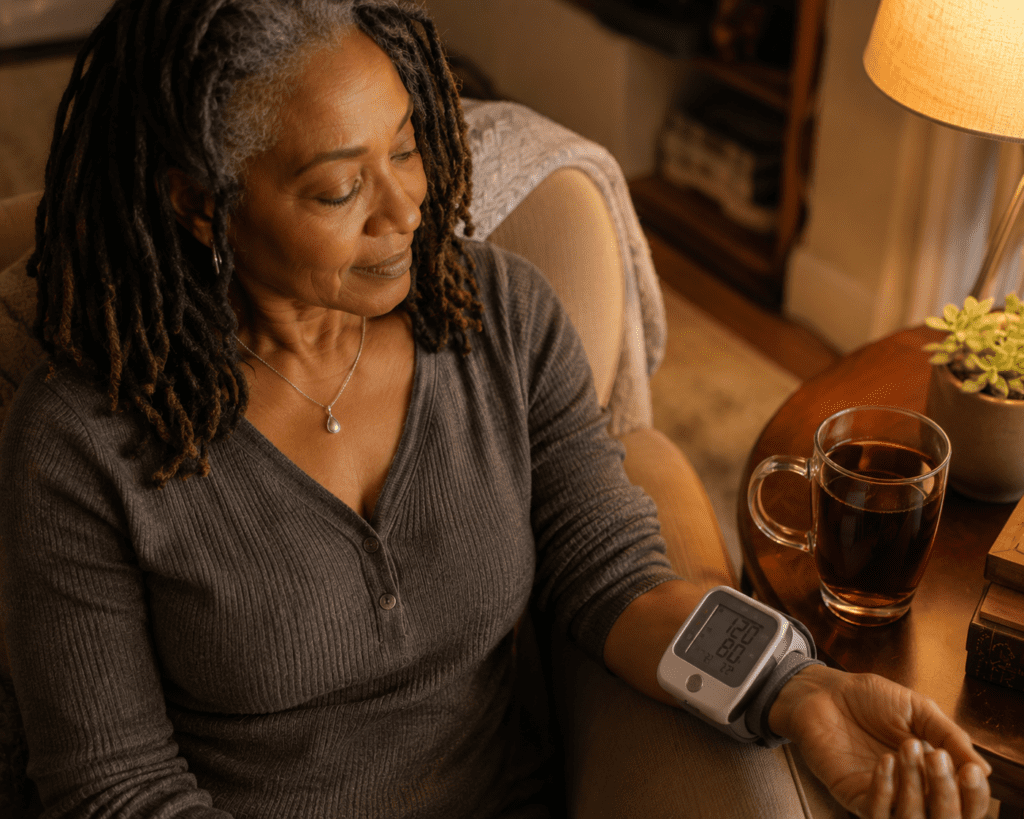
Step 5: Track your readings. Get a reliable home blood pressure cuff and take readings at the same time each day — ideally morning, before caffeine. This is how you’ll actually know whether it’s working for your specific physiology, rather than guessing.
Hibiscus works best as part of a broader approach. Pairing it with other natural ways to lower blood pressure — like reducing sodium, managing stress, and improving sleep quality — amplifies the results significantly. The tea isn’t a standalone cure; it’s a powerful piece of a smarter system.
Common Mistakes That Sabotage Your Results With Hibiscus Tea
What if the real problem isn’t your blood pressure — it’s the way you’re approaching the solution? In my experience talking with people managing hypertension naturally, these are the patterns that consistently undermine results.
Inconsistency. This is the biggest one. Drinking hibiscus tea three days in a row and then forgetting for a week won’t build the cumulative effect the research demonstrates. The compounds need time to exert their ACE-inhibiting and diuretic effects — and that requires a sustained daily habit, not sporadic good intentions.
Expecting results in 48 hours. Hibiscus is not a rescue remedy. If your blood pressure spikes acutely, that’s a medical situation — not a “drink more tea” situation. The evidence-based use case for hibiscus is chronic, consistent support for people in the mild-to-moderate range.
Using low-quality products. Here’s the myth-busting moment: the vibrant red color of a hibiscus tea does NOT guarantee therapeutic potency. Color can come from added dyes or from minimal hibiscus content blended with other botanicals. Always check for Hibiscus sabdariffa as a primary ingredient, and prioritize single-herb preparations when blood pressure is your goal.
Ignoring interactions. Hibiscus is generally well-tolerated, but it can interact with certain medications — particularly diuretics and some antihypertensives. If you’re on prescription blood pressure medication, this conversation needs to happen with your doctor before you add a daily therapeutic dose of hibiscus.
Who Benefits Most — And a Few Honest Cautions
The research paints a pretty clear picture of who responds best to using hibiscus tea to lower blood pressure naturally. People with pre-hypertension (readings between 120–139/80–89 mmHg) and Stage 1 hypertension (140–159/90–99 mmHg) show the most consistent and significant reductions in clinical trials. If your numbers are in this range and you haven’t yet explored plant-based interventions alongside lifestyle changes, hibiscus is one of the better-studied options available.
People with already-normal blood pressure see smaller effects — which actually makes physiological sense. The ACE-inhibiting mechanism responds proportionally to the excess vascular tension that exists. Less tension to correct, less correction observed.
A few groups should exercise real caution. Pregnant women should avoid therapeutic doses of hibiscus, as some research suggests it may stimulate uterine contractions. People with kidney disease should check with their physician before adding a diuretic herb to their routine. And anyone taking lithium should know that hibiscus may affect how the body processes that medication.
For those who are curious about a broader herbal approach, learning about the full landscape of best herbal teas for health can help you build a more complete picture of what plant-based support can and can’t do.
The Bottom Line on Using Hibiscus Tea to Lower Blood Pressure Naturally
Here’s what I want you to walk away with. Hibiscus tea is not hype. The research is genuinely compelling, the mechanism is well-understood, and for the right person using it correctly, it represents one of the most accessible and evidence-backed hibiscus tea lower blood pressure naturally strategies available without a prescription.
But — and this matters — it’s a tool, not a magic fix. It works best as part of a coherent strategy: consistent daily use, smart preparation, realistic timelines, quality sourcing, and honest tracking of your own data. The people who see results are the people who treat it like the serious intervention it is, not a casual wellness gesture.
If you’ve been managing elevated blood pressure and you’re looking for natural options that are actually backed by clinical evidence, hibiscus belongs in your toolkit. Give it 6 weeks, give it the right dose, and actually monitor your numbers. That’s how you know what’s working — and what’s not.
The path to better numbers isn’t always complicated. Sometimes it starts with a cup of something deep red and tart, made from a flower that’s been quietly doing the work for centuries. The science just finally caught up.
❓ Frequently Asked Questions
How much hibiscus tea do you need to drink daily to actually lower blood pressure?
Research consistently points to 2–3 cups per day of brewed hibiscus tea as the effective dose for blood pressure reduction. Studies using standardized extracts equivalent to about 10 grams of dried hibiscus per day showed the strongest results in people with mild to moderate hypertension.
Does hibiscus tea lower systolic or diastolic blood pressure more?
Hibiscus tea has a more pronounced effect on systolic (the top number) blood pressure than diastolic. Clinical trials typically report systolic reductions of 7–13 mmHg, while diastolic improvements, though real, tend to be smaller and less consistent across studies.
Can hibiscus tea lower blood pressure as well as medication?
Some head-to-head trials have found hibiscus extract comparable to low doses of ACE inhibitors like captopril in people with stage 1 hypertension. However, its effect size is generally smaller than standard pharmaceutical doses, making it more suitable as a complementary approach for mild cases rather than a direct replacement.
Does hibiscus tea stop working if you drink it every day long-term?
Current evidence does not show tolerance or diminishing returns with daily hibiscus tea consumption over study periods of up to 12 weeks. Researchers believe its anthocyanins continue to support nitric oxide production and ACE inhibition consistently with regular intake.
What time of day is best to drink hibiscus tea for blood pressure benefits?
No clinical trial has definitively identified an optimal time of day for hibiscus tea consumption relative to blood pressure outcomes. Practically, spacing 2–3 cups throughout the day rather than drinking them all at once is thought to maintain steadier levels of active compounds in the bloodstream.
📊 naturalbloodsugartips.com
My honest recommendation after everything I have researched
🔥 Discover Why Your Liver May Be Blocking Weight Loss
Liv Pure combines a Liver Purification Complex and a Liver Fat-Burning Complex with clinically studied Mediterranean plant compounds. Made in a GMP-certified, FDA-registered facility in the USA.
👉 Yes, I Want to Try Liv Pure✓ Official website | ✓ 60-day money-back guarantee | ✓ Free shipping
⚠️ Due to high demand, stock is limited. Check availability before it sells out.
*Results may vary. This is an affiliate link — I only recommend what I have researched for my own family.

About the Author — Sarah
I am not a doctor or nutritionist — I am a daughter who has been caring for my mother since her type 2 diabetes diagnosis. That journey pushed me to research natural alternatives and evidence-based lifestyle changes. Everything I share comes from that personal mission: to help my mom live better, with more energy and less dependence on medication. Always consult your healthcare provider before making any changes to your treatment plan.
⚕️ Medical Disclaimer: I am not a medical professional. This blog reflects my personal research caring for a family member with diabetes. For informational purposes only — not medical advice. Always consult a qualified healthcare provider.
📚 Scientific References
- Nwachukwu DC, et al. Effect of Hibiscus sabdariffa on blood pressure and electrolyte profile of mild to moderate hypertensive Nigerians: a comparative study with hydrochlorothiazide. Kidney Blood Press Res. 2015;40(5):534-40. PMID: 26536004.
- Serban C, et al. Effect of sour tea (Hibiscus sabdariffa L.) on arterial hypertension: a systematic review and meta-analysis of randomized controlled trials. J Hypertens. 2015;33(6):1119-27. PMID: 25875025.
- Mozaffari-Khosravi H, et al. The effects of sour tea (Hibiscus sabdariffa) on hypertension in patients with type II diabetes. J Hum Hypertens. 2009;23(1):48-54. PMID: 18685605.
- Wahabi HA, et al. Hibiscus sabdariffa for hypertension: a systematic review. Phytomedicine. 2010;17(2):149-53. PMID: 19875262.