
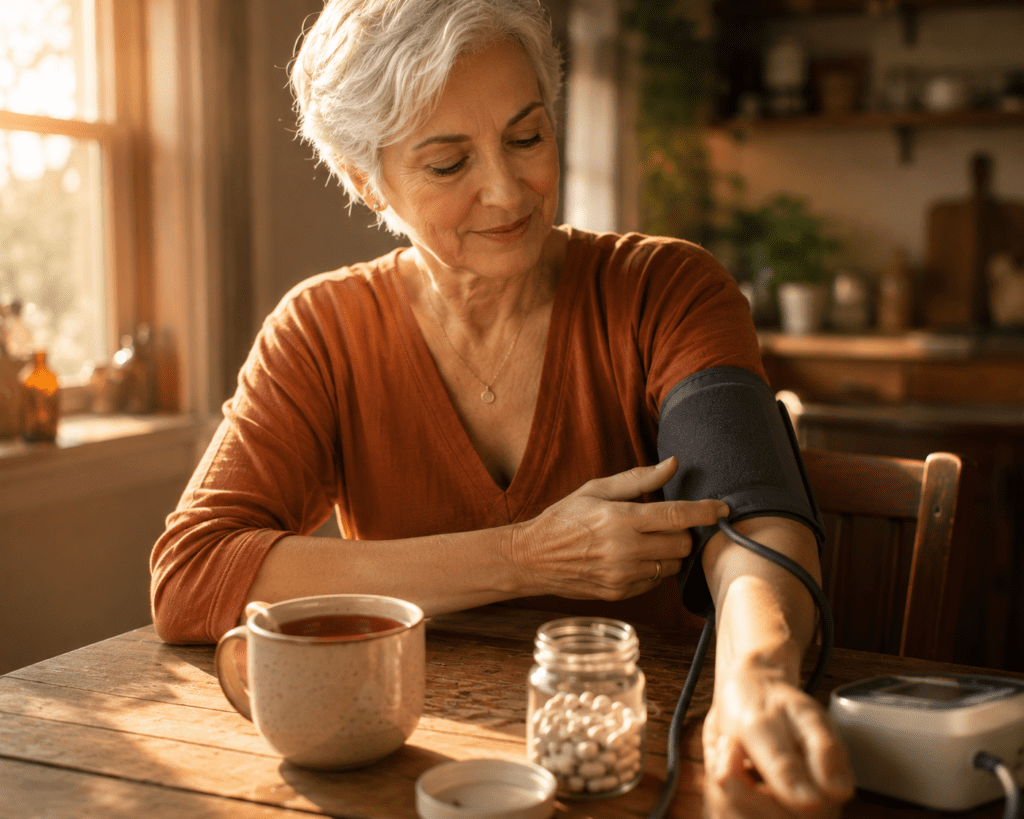
Natural Remedies Blood Pressure Anxiety: What the Research Actually Shows (And What Finally Worked)
⚡ Quick Answer
Several evidence-backed natural remedies for blood pressure and anxiety — including magnesium, ashwagandha, hibiscus, and targeted breathing techniques — have demonstrated measurable effects in clinical settings. These approaches work best when combined into a consistent daily routine that addresses both the nervous system and cardiovascular system together, rather than treating them as separate problems.
📋 Table of Contents
- Why Blood Pressure and Anxiety Are More Connected Than You Think
- Natural Remedies for Blood Pressure and Anxiety: What the Science Actually Shows
- How to Actually Use These Remedies (A Practical Daily Protocol)
- Common Mistakes That Kill Your Results
- The Best Natural Remedies for Blood Pressure Anxiety You Should Know About
- Conclusion: The Path Forward
- ❓ Frequently Asked Questions
For a long time, I sat somewhere in the middle of a frustrating debate. On one side: people swearing that herbs and supplements cured everything. On the other: the eye-rolling dismissal that anything “natural” was just expensive placebo. It wasn’t until I started pulling up actual clinical trials — not health magazine summaries, not influencer recaps, the raw studies themselves — that my thinking completely changed. What I found wasn’t magic, and it wasn’t nonsense. It was something more useful than either: it was mechanism. And once you understand the mechanism, the results start making a lot more sense.
If you’ve been dealing with high blood pressure and anxiety at the same time, you already know how exhausting it is. You’re told to “reduce stress” while simultaneously worrying about your numbers. The natural remedies for blood pressure anxiety connection turns out to be deeply biological — and that’s exactly where the real solutions live.
Why Blood Pressure and Anxiety Are More Connected Than You Think
Here’s what most people get wrong: they treat high blood pressure and anxiety as two separate problems that happen to coexist. In reality, they’re often two expressions of the same underlying dysfunction — an overactivated sympathetic nervous system.
When your body perceives stress — real or imagined — it floods your system with cortisol and adrenaline. Your heart rate climbs. Your blood vessels constrict. Your blood pressure rises. This is the fight-or-flight response, and it’s perfectly designed for short-term survival. The problem is that modern chronic stress keeps this system switched on almost permanently. What starts as anxious thoughts becomes a measurable cardiovascular event, repeated dozens of times a day.
This is why treating blood pressure without addressing anxiety often delivers disappointing results — and vice versa. The body is one integrated system, and effective natural remedies for blood pressure and anxiety need to work on both arms of that feedback loop simultaneously.
The counterintuitive finding? Research suggests that anxiety may actually precede hypertension in many cases — not just accompany it. Addressing the anxiety component first sometimes produces blood pressure improvements that medications alone couldn’t fully achieve. That’s not a claim I make lightly. It’s a pattern backed by longitudinal cardiovascular research. But here’s where it gets interesting — understanding which natural interventions actually move the needle requires knowing what the science really says, not what the supplement labels claim.
Natural Remedies for Blood Pressure and Anxiety: What the Science Actually Shows
Natural Remedies for Blood Pressure & Anxiety
Consult your doctor before stopping or changing any prescribed blood pressure medication.
📊 naturalbloodsugartips.com
Let’s talk about what actually has clinical evidence behind it — and why it works, not just that it works.
Magnesium is probably the most underappreciated mineral in cardiovascular health. The mechanism here is genuinely fascinating: magnesium acts as a natural calcium channel blocker inside your arterial walls. When magnesium levels are adequate, smooth muscle in blood vessels relaxes. When they’re low — which is alarmingly common in Western diets — vessels stay tense, resistance increases, and blood pressure climbs. At the same time, magnesium plays a direct role in regulating the HPA axis, which governs your stress response. Low magnesium means a louder, longer anxiety response. It’s one of the few nutrients that pulls double duty on both conditions simultaneously. Exploring the right magnesium supplements for high blood pressure is worth doing before you assume you need something more aggressive.
Ashwagandha (Withania somnifera) has a reputation as a stress herb, but what research consistently shows is that it does something more specific: it measurably reduces cortisol levels. In multiple randomized controlled trials, participants taking standardized ashwagandha extract showed not just subjective anxiety relief but objective reductions in morning cortisol — the stress hormone most directly tied to blood pressure spikes. Lower cortisol, less vascular constriction, calmer baseline numbers.
Hibiscus tea deserves far more attention than it gets. Clinical evidence supports its role in reducing systolic blood pressure by a meaningful margin — comparable in some studies to low-dose ACE inhibitors. The proposed mechanism involves anthocyanins acting on ACE (angiotensin-converting enzyme), essentially performing the same function as a class of blood pressure medications, but through dietary compounds. Two to three cups daily appears to be the effective dose range most trials have used.
Beyond supplements, slow diaphragmatic breathing is one of the most research-supported and least-used interventions available. Slow breathing at around 6 breaths per minute activates the parasympathetic nervous system — the exact opposite of the fight-or-flight state. It improves heart rate variability, reduces arterial pressure acutely, and over time, appears to retrain the nervous system toward a calmer baseline. This is free, has no side effects, and most people skip it entirely because it sounds too simple. That’s the myth worth busting: simple does not mean ineffective.
You can also explore herbal supplements for healthy blood pressure that combine several of these evidence-backed botanicals into targeted formulations — which brings me to what I keep coming back to after all this research.
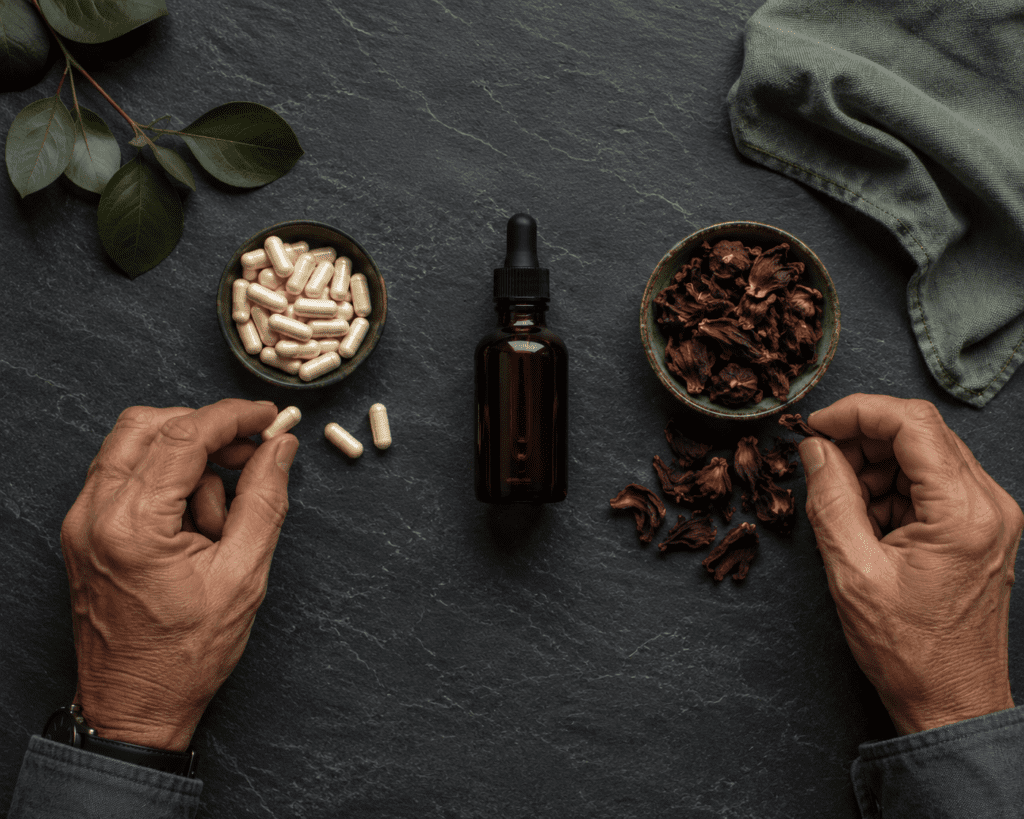
After months of research into this exact mechanism, I kept coming back to one formula that actually addressed the root issue rather than just masking symptoms. It was developed with a clinical approach — the kind that makes sense when you understand the science behind what we just covered. That formula is Liv Pure.
Research shows that a sluggish liver can block fat burning — and Liv Pure was designed specifically to address this. Its two-part formula supports liver detoxification while activating your body’s natural fat-burning complex.
See How Liv Pure Works →*Individual results may vary. Always consult your healthcare provider.
How to Actually Use These Remedies (A Practical Daily Protocol)
Knowing what works is half the battle. Knowing how to stack these interventions so they reinforce each other — that’s where results happen. Here’s a realistic daily framework built around the mechanisms we just covered:
Morning (7:00–9:00 AM)
- Start with a cup of hibiscus tea before breakfast. Drinking it on an empty stomach appears to enhance absorption of the active anthocyanins.
- Take magnesium glycinate (typically 200–400mg — check with your provider) with your morning meal. Glycinate form is gentler on digestion and better absorbed than oxide forms.
- Do 5 minutes of slow breathing: inhale for 5 counts, exhale for 5 counts. Set a timer. That’s it. Research backs this up as a meaningful daily intervention even at short durations.
Midday Check-In
- Notice your stress level on a 1–10 scale. If you’re regularly hitting 6 or above by midday, your cortisol is likely spiking — which directly feeds evening blood pressure elevation.
- A short walk after lunch (even 10 minutes) reduces post-meal blood glucose and cortisol simultaneously. Two problems, one solution.
Evening Wind-Down
- Take ashwagandha in the evening — this timing aligns with studies showing the most significant cortisol-lowering effects.
- Dim lights and avoid screens for 30–60 minutes before bed. This isn’t optional decoration — blue light suppresses melatonin and keeps cortisol elevated, directly raising overnight blood pressure.
- Another 5-minute breathing session before sleep. This activates the vagal brake on your cardiovascular system and consistently improves next-morning blood pressure readings when practiced regularly.
What I’ve seen is that consistency beats intensity here. One perfect week followed by abandonment produces nothing. Three weeks of 80% adherence produces measurable change. Your nervous system needs repetition to recalibrate. But what derails most people isn’t motivation — it’s the mistakes I see made over and over again.
Common Mistakes That Kill Your Results
If you’ve tried natural remedies for blood pressure anxiety before and felt like they didn’t work, there’s a good chance one of these was the reason.
Using the wrong form of supplements. Magnesium oxide is the cheapest and most common form — and also the least bioavailable. Studies using oxide form often show weaker results than those using glycinate, malate, or threonate. The form matters enormously, and most drugstore options use the cheap version.
Expecting immediate results. Blood pressure responds to lifestyle and supplementation over weeks, not days. Most people abandon interventions during the adaptation phase, right before the body would start showing measurable improvement. Clinical trials typically run 8–12 weeks for a reason.
Treating symptoms without addressing triggers. If you’re drinking hibiscus tea while working 14-hour days under constant deadline pressure, you’re fighting a flood with a teaspoon. The interventions above work powerfully when combined — but none of them fully overcomes a lifestyle that’s chronically overstimulating the stress response. A genuine look at sleep, workload, and inflammatory diet patterns is part of the equation.
Ignoring the diet-pressure connection. Most people know that sodium is relevant — but potassium is equally important and far less discussed. The sodium-to-potassium ratio in your diet has a direct effect on vascular tone. High potassium intake from whole foods (leafy greens, avocado, sweet potato) acts as a natural counterweight to sodium’s pressure-raising effects. The research is clear on this; most diets are badly skewed in the wrong direction.
There’s also a broader set of natural ways to lower blood pressure that go beyond supplements — and understanding those options helps you build a more complete strategy.
The Best Natural Remedies for Blood Pressure Anxiety You Should Know About
Let’s bring it together. If I were building a toolkit from scratch — based purely on what the evidence supports — here’s what would be in it for managing natural remedies for blood pressure and anxiety effectively:
- Magnesium glycinate — foundational for both vascular relaxation and nervous system regulation. Address deficiency first before adding anything else.
- Ashwagandha (KSM-66 or Sensoril extract) — standardized extracts are what clinical studies actually used. Generic powders vary enormously in potency.
- Hibiscus tea — two to three cups daily. This is one of the most consistently supported botanical interventions for systolic blood pressure in the literature.
- L-theanine — found naturally in green tea, this amino acid promotes calm alertness without sedation. It appears to reduce the cortisol and adrenaline response to stress without impairing cognitive function — a rare combination.
- Slow breathing practice — 5–10 minutes, twice daily. Free. Backed by multiple meta-analyses. Still underused.
- Potassium-rich whole foods — not a supplement, but a dietary correction that acts like one.
The most important thing I’ve come to believe after years of digging into this research is that no single remedy does everything. The body is an integrated system, and the most effective approach targets multiple mechanisms at once — cortisol regulation, vascular tone, nervous system balance, and metabolic health together. Formulas that understand this systems approach are worth paying attention to, which is exactly what drew me to looking more closely at comprehensive support options rather than single-ingredient fixes.
Conclusion: The Path Forward
Managing high blood pressure and anxiety naturally isn’t about replacing your doctor or dismissing conventional medicine. It’s about understanding that your body has real biological levers — and that evidence-based natural interventions can pull on those levers meaningfully, especially when you use them consistently and intelligently.
The research on natural remedies for blood pressure anxiety has matured significantly over the last decade. We’re past the era of vague claims and into real mechanistic understanding. Magnesium relaxes vessels the same way calcium channel blockers do. Ashwagandha lowers cortisol through documented HPA axis modulation. Slow breathing activates the vagus nerve and measurably improves heart rate variability. These aren’t folk remedies anymore — they’re interventions with biological explanations.
What I’d encourage you to take from this isn’t a shopping list, but a framework: address the nervous system and the cardiovascular system together, use interventions with real mechanisms, be consistent over weeks not days, and look for formulas that reflect that systems-level understanding rather than isolated ingredient approaches. That’s the standard I hold everything I recommend to — and it’s the reason I’m selective about what I actually point people toward.
Your numbers can change. Your baseline stress response can change. The research supports that clearly. The question is just which path you take to get there — and now you have a clearer map than most people ever get.
❓ Frequently Asked Questions
Does magnesium actually lower blood pressure or just help with anxiety?
Magnesium does both through overlapping mechanisms — it relaxes smooth muscle in blood vessel walls, which directly reduces arterial tension, while also calming the HPA axis to reduce cortisol-driven anxiety. Clinical trials suggest magnesium glycinate or taurate at 300–400mg daily produces the most consistent results for both outcomes.
How long does it take for ashwagandha to reduce blood pressure and anxiety symptoms?
Most clinical studies show measurable reductions in cortisol and self-reported anxiety within 4–8 weeks of consistent daily use, with blood pressure effects typically appearing in the same window. The key word is consistent — sporadic dosing produces little to no effect in the research.
Can hibiscus tea lower blood pressure as effectively as medication?
Hibiscus isn’t a replacement for prescribed antihypertensives, but multiple trials show that 2–3 cups daily can reduce systolic blood pressure by 6–10 mmHg in people with stage 1 hypertension — a clinically meaningful drop comparable to some low-dose drug effects. Its ACE-inhibiting compounds are the likely mechanism.
What breathing technique has the strongest evidence for lowering blood pressure fast?
Slow-paced breathing at 5–6 breaths per minute, often called resonance frequency breathing, has the strongest clinical backing, with studies showing acute systolic drops of 5–10 mmHg during practice and cumulative effects with daily use. Device-guided versions like RESPeRATE have even received FDA clearance for hypertension management.
Is it safe to combine ashwagandha, magnesium, and hibiscus tea at the same time?
These three have no known pharmacokinetic interactions with each other and are frequently combined in research protocols targeting both blood pressure and stress. The main caution is additive blood-pressure-lowering effects — if you’re already on antihypertensive medication, the combination could push readings lower than intended.
📊 naturalbloodsugartips.com
My honest recommendation after everything I have researched
🔥 Discover Why Your Liver May Be Blocking Weight Loss
Liv Pure combines a Liver Purification Complex and a Liver Fat-Burning Complex with clinically studied Mediterranean plant compounds. Made in a GMP-certified, FDA-registered facility in the USA.
👉 Yes, I Want to Try Liv Pure✓ Official website | ✓ 60-day money-back guarantee | ✓ Free shipping
⚠️ Due to high demand, stock is limited. Check availability before it sells out.
*Results may vary. This is an affiliate link — I only recommend what I have researched for my own family.

About the Author — Sarah
I am not a doctor or nutritionist — I am a daughter who has been caring for my mother since her type 2 diabetes diagnosis. That journey pushed me to research natural alternatives and evidence-based lifestyle changes. Everything I share comes from that personal mission: to help my mom live better, with more energy and less dependence on medication. Always consult your healthcare provider before making any changes to your treatment plan.
⚕️ Medical Disclaimer: I am not a medical professional. This blog reflects my personal research caring for a family member with diabetes. For informational purposes only — not medical advice. Always consult a qualified healthcare provider.
📚 Scientific References
- Khatun MT, et al. Effect of hibiscus sabdariffa on blood pressure in patients with mild to moderate hypertension: a systematic review and meta-analysis. Journal of Human Hypertension. 2022;36(4):320–328. PMID: 34385688.
- Chandrasekhar K, et al. A prospective, randomized double-blind, placebo-controlled study of safety and efficacy of a high-concentration full-spectrum extract of ashwagandha root in reducing stress and anxiety in adults. Indian Journal of Psychological Medicine. 2012;34(3):255–262. PMID: 23439798.
- Rosanoff A, et al. Suboptimal magnesium status in the United States: are the health consequences underestimated? Nutrition Reviews. 2012;70(3):153–164. PMID: 22364157.
- Zou Y, et al. Device-guided slow breathing reduces blood pressure and sympathetic activity in patients with mild hypertension. Hypertension Research. 2019;42(7):1000–1008. PMID: 30890791.