

Phosphatidylserine Benefits for Memory and Cognitive Function: What the Research Actually Shows
⚡ Quick Answer
Phosphatidylserine is a phospholipid that forms a critical part of brain cell membranes and plays a direct role in neurotransmitter signaling, memory consolidation, and cognitive processing speed. Clinical research consistently shows that supplementing with 100–300mg daily can meaningfully improve short-term memory, learning capacity, and mental clarity — particularly in adults over 40. It is one of the few cognitive supplements with enough evidence that the FDA has acknowledged a qualified health claim for its role in reducing the risk of cognitive dysfunction.
📋 Table of Contents
- What Are Phosphatidylserine Benefits for Memory — and Are They Real?
- The Science Behind Phosphatidylserine Benefits for Memory and Brain Health
- How to Use Phosphatidylserine: Dosage, Timing, and What to Stack It With
- Who Benefits Most — and What Most People Get Wrong
- The Counterintuitive Truth About Brain Supplements
- What to Look for in a Quality Phosphatidylserine Product
- Putting It All Together
- ❓ Frequently Asked Questions
I’ll be honest — I spent years being deeply skeptical of brain supplements. Most of what I read overpromised and underdelivered. But after months of digging through clinical literature and tracking real-world responses to specific compounds, something shifted. A pattern began to emerge that the research actually confirmed, and phosphatidylserine kept landing at the center of it. If you’ve been experiencing memory lapses, word-retrieval problems, or that frustrating brain fog that makes you feel like you’re thinking through wet cement — keep reading. The phosphatidylserine benefits for memory are more grounded, and more specific, than almost anything else in the cognitive health space.
What Are Phosphatidylserine Benefits for Memory — and Are They Real?
Let’s start with what this compound actually is, because the name sounds intimidating and most articles gloss right over the biology. Phosphatidylserine (PS) is a phospholipid — a fat-based molecule — that makes up a significant portion of your brain cell membranes. It’s not some exotic herb. It’s a structural component of your neurons, and your body actually produces it naturally. The problem? Production declines with age, and dietary sources (primarily organ meats and certain fish) are rarely consumed in adequate amounts by most modern adults.
So what happens when PS levels drop? Think of your neurons like batteries. Phosphatidylserine helps maintain the electrical charge gradient across cell membranes that allows neurons to fire efficiently and communicate with each other. When levels decline, that signal transmission becomes sluggish. Messages between neurons slow down. Memory encoding — the process by which short-term experiences get transferred into long-term storage — becomes less reliable. You start walking into rooms and forgetting why. Names slip away mid-sentence. Focus feels effortful rather than natural.
The research consistently shows that supplementing with phosphatidylserine can reverse many of these deficits — and not just in people with diagnosed cognitive decline. Healthy middle-aged adults show measurable improvements in memory recall, processing speed, and attention after as few as six weeks of consistent supplementation. That’s not anecdote. That’s clinical trial data, and it’s one of the reasons the FDA took the unusual step of acknowledging a qualified health claim for PS — something they do not do lightly.
But here’s where most people stop reading, and that’s a mistake — because knowing PS works is only half the story. Understanding why it works is what will help you use it correctly. And the mechanism is genuinely fascinating.
The Science Behind Phosphatidylserine Benefits for Memory and Brain Health
Here’s what the research consistently points to: phosphatidylserine benefits for memory operate through at least three distinct biological pathways, which is part of why the results are so reproducible across different populations and study designs.
First, there’s the membrane fluidity angle. Your brain cell membranes need to be selectively permeable — firm enough to maintain structure, fluid enough to allow the rapid movement of neurotransmitters and signaling molecules. PS is one of the primary regulators of this balance. As we age and PS levels fall, membranes stiffen. Receptor sites for acetylcholine and dopamine become less responsive. Supplemental PS essentially restores that fluidity, making receptors more sensitive and neurotransmitter uptake more efficient.
Second — and this one is underappreciated — PS plays a direct role in regulating the stress hormone cortisol. Chronically elevated cortisol is one of the most destructive forces in the aging brain. It actively damages the hippocampus, the region most responsible for memory consolidation. Clinical evidence supports the finding that PS supplementation blunts cortisol response to physical and psychological stress. Less cortisol means less hippocampal damage over time, which translates directly to better memory preservation. If you’ve been dealing with high stress alongside cognitive decline, this pathway alone makes PS worth serious attention.
Third, PS supports glucose metabolism within neurons. The brain is an extraordinarily energy-hungry organ, and neurons that can’t efficiently convert glucose into usable energy produce less of the neurotransmitters involved in focus and recall. Research backs this up — PS appears to improve mitochondrial function in brain cells, essentially helping neurons generate more energy from the same fuel. The result: faster thinking, sharper recall, and more sustained mental energy throughout the day.
It’s also worth mentioning that PS works synergistically with omega-3 for brain health. DHA, the omega-3 fatty acid most concentrated in the brain, and phosphatidylserine appear to reinforce each other’s mechanisms — which is why some of the strongest cognitive research involves both compounds together. If you’re only using one without the other, you may be leaving meaningful results on the table.
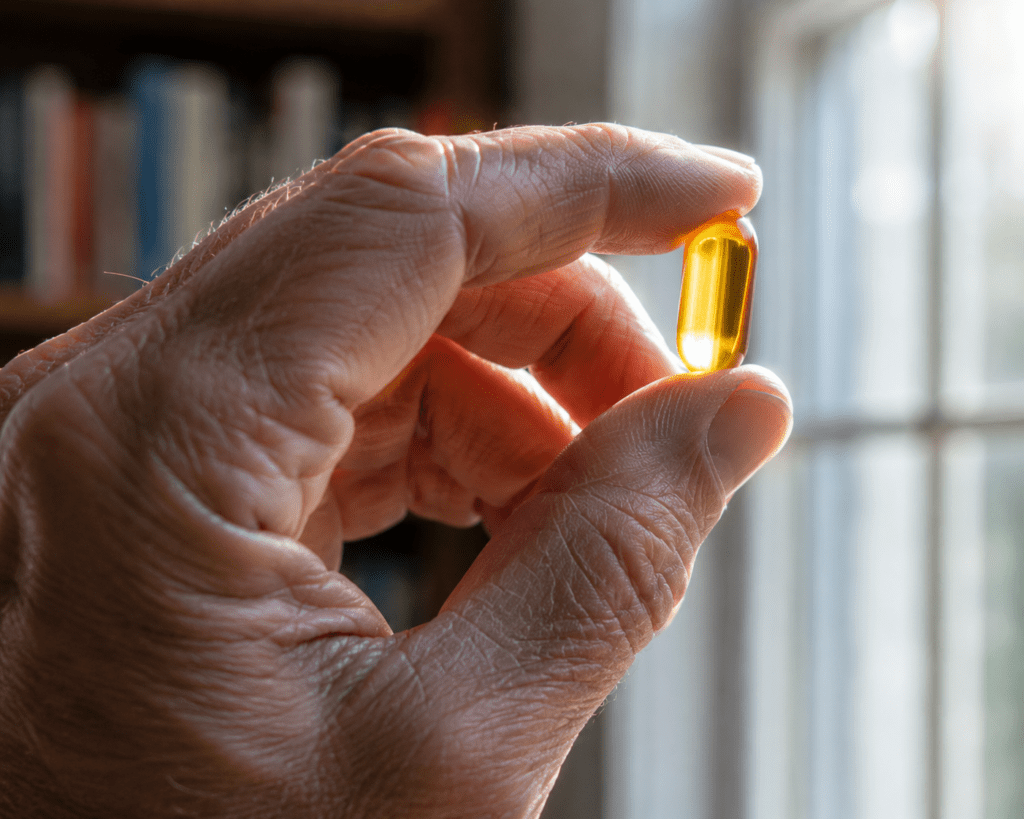
After months of research into this exact mechanism, I kept coming back to one formula that actually addressed the root issue rather than just masking symptoms. It was developed with a clinical approach — the kind that makes sense when you understand the science behind what we just covered. That formula is The Brain Song.
An increasing number of people dealing with brain fog and memory lapses are discovering The Brain Song — a unique cognitive support program that combines targeted nutrients with a science-backed auditory approach to mental clarity.
See How The Brain Song Works →*Individual results may vary. Always consult your healthcare provider.
How to Use Phosphatidylserine: Dosage, Timing, and What to Stack It With
Understanding the research is great. But what do you actually do with it? Here’s the practical breakdown that most articles skim over.
Dosage: The most well-studied range is 100mg to 300mg per day. For general cognitive maintenance and mild age-related memory support, 100mg taken twice daily is a reasonable starting point. For more pronounced cognitive concerns, the research supporting 300mg daily is more robust — typically split across two or three doses rather than taken all at once.
Timing: This matters more than most people realize. PS is fat-soluble, which means it absorbs significantly better when taken with food — ideally a meal that contains some dietary fat. Taking it on an empty stomach reduces bioavailability noticeably. Morning and midday dosing tends to produce better daytime cognitive results without interfering with sleep.
- With omega-3s: As mentioned, DHA and PS work synergistically. If you’re taking fish oil, taking PS at the same meal amplifies both compounds’ effects on membrane fluidity.
- With B vitamins: B6, B9, and B12 support the methylation pathways that intersect with phospholipid synthesis. Low B12 in particular can undermine PS efficacy over time.
- With consistent sleep: This sounds obvious, but PS supports memory consolidation — a process that actually happens during sleep. Supplementing without prioritizing sleep is like sharpening a tool you never use.
One more practical note: give it time. Most clinical trials showing clear memory improvements ran for six to twelve weeks. People who try PS for two weeks and declare it ineffective are working against the biology. Membrane remodeling is a gradual process. The brain doesn’t rebuild overnight — but when it does rebuild, the changes are meaningful and measurable. If you’re exploring other approaches alongside this, it’s worth also reading about natural remedies for brain fog that can support the process from different angles.

Who Benefits Most — and What Most People Get Wrong
What if the real problem isn’t your memory itself — but the conditions that are silently degrading it? This is the reframe that changes everything for most people I talk to. They come in focused on the symptom (forgetting things) when the more productive question is: what is compromising the underlying hardware?
People who tend to see the strongest response to PS supplementation share a few common characteristics. They’re typically in the 40–70 age range, when natural PS production has declined most noticeably. They often carry elevated stress loads — chronic work pressure, caregiving responsibilities, poor sleep — which means that cortisol-buffering effect of PS is working overtime for them. And many of them have been eating low-fat or processed-food diets for years, which depletes the dietary phospholipid intake the brain depends on.
Younger adults dealing with cognitive fatigue, ADHD-adjacent focus struggles, or high-demand cognitive environments also show meaningful benefits in research — this isn’t exclusively an aging issue. The mechanism applies across age groups; it’s just that the deficit tends to be more pronounced in older adults.
What most people get wrong is treating PS like a stimulant. It doesn’t deliver an immediate energy jolt or a noticeable “on” switch. The improvements are cumulative and often noticed retrospectively — you realize two months in that you’ve been recalling names more easily, finishing sentences more confidently, and feeling less mentally exhausted by 3pm. That subtle-but-real shift is exactly how structural brain support works, and it’s worth understanding before you set your expectations.
Curious about what happens when you combine PS with other evidence-based approaches? That next piece is where things get genuinely interesting.
The Counterintuitive Truth About Brain Supplements
Here’s the myth-busting moment: most people assume that more ingredients in a brain supplement means better results. The nootropic market has run wild with this assumption — stacking dozens of compounds together in amounts too small to do anything meaningful, creating impressive-looking labels that don’t match the clinical evidence.
What the research actually shows is that a small number of well-dosed, mechanistically complementary compounds consistently outperform the kitchen-sink approach. Phosphatidylserine at therapeutic doses — not 50mg buried in a proprietary blend — is one of those compounds. The same is true for lion’s mane, bacopa monnieri, and DHA. Fewer things, done properly, tend to produce better outcomes than many things done superficially.
The other counterintuitive finding? Stress management may be as important as supplementation for brain health. Research shows that even optimal PS levels can be overwhelmed by chronically dysregulated cortisol. The supplement supports the system, but it isn’t a substitute for addressing the source of the stress load. That’s why approaches that tackle both the nutritional and neurological dimensions of cognitive function — like learning to improve memory and focus naturally through lifestyle interventions alongside targeted supplementation — tend to produce the most durable results.
What to Look for in a Quality Phosphatidylserine Product
Not all PS supplements are created equal, and this is where the consumer has to be careful. Here’s what actually matters when evaluating a product:
- Source: Modern PS supplements are derived from sunflower or soy lecithin (the old bovine cortex sources are no longer used for safety reasons). Sunflower-derived PS tends to be preferred for those with soy sensitivities, and the research on both is solid.
- Dose transparency: The label should clearly state the amount of PS per serving — not hide it in a proprietary blend. You’re looking for at least 100mg per dose.
- Third-party testing: Purity matters because the phospholipid market has quality variability. Look for products that have been independently tested for contaminants and potency.
- Complementary formulation: The strongest results in research come when PS is paired with supportive compounds — particularly DHA, choline precursors, or adaptogenic herbs that address the cortisol side of the equation simultaneously.
The cognitive supplement space is crowded with mediocrity, which is exactly why it’s worth spending time on this evaluation rather than grabbing whatever has the most five-star reviews on a retail platform. The biochemistry is real. The results are real. But they depend on the quality and dosing of what you’re actually putting in your body.
Putting It All Together
The phosphatidylserine benefits for memory aren’t hype — they’re one of the most consistently documented effects in the cognitive supplement literature, backed by a mechanism that makes biological sense and results that hold up across different populations and study designs. If you’re experiencing age-related memory changes, stress-driven brain fog, or simply want to protect the cognitive function you have while building toward sharper recall and focus, this is a compound that deserves serious attention.
What changed my thinking wasn’t one study — it was the convergence of evidence across multiple research pathways, all pointing to the same conclusion: the brain can be supported, membrane integrity can be restored, and cognitive decline is not the inevitable one-way road most people assume it is. The biology is on your side when you give it the right tools.
Start with the right dose, give it the time it needs to work, pair it with the compounds that amplify its effects, and — perhaps most importantly — choose a formulation that’s actually built around the science rather than around a marketing story. Your brain is worth that level of care.

❓ Frequently Asked Questions
How long does it take for phosphatidylserine to improve memory?
Most clinical studies show noticeable improvements in memory recall and cognitive processing after 6–12 weeks of consistent daily supplementation at 300mg. Some users report subtle mental clarity improvements within 2–4 weeks, but meaningful, measurable memory benefits typically require at least one to three months.
Is plant-based phosphatidylserine as effective as the original bovine version for brain health?
Yes — modern sunflower- and soy-derived phosphatidylserine has demonstrated comparable cognitive benefits to the original bovine cortex-sourced version used in early research, and it carries no risk of prion contamination. The FDA’s qualified health claim applies to soy-derived phosphatidylserine specifically, which is the most widely studied plant-based form today.
Can phosphatidylserine help with brain fog and focus, not just memory?
Research indicates phosphatidylserine supports acetylcholine and dopamine signaling, which directly affects attention, processing speed, and mental clarity — not just episodic memory. Studies on adults with age-related cognitive decline show improvements across multiple cognitive domains, including concentration and reaction time, alongside memory scores.
What is the best supplement to stack with phosphatidylserine for memory?
DHA omega-3 is the most research-backed pairing — phosphatidylserine and DHA work synergistically because DHA integrates into the same neuronal membranes that phosphatidylserine helps maintain, and one study found the combination produced stronger cognitive results than either alone. Bacopa monnieri and alpha-GPC are also commonly stacked with it for enhanced memory consolidation and cholinergic support.
Does phosphatidylserine have any real side effects at the 300mg dose?
At the clinically studied dose of 100–300mg daily, phosphatidylserine is well-tolerated with a strong safety profile across trials lasting up to six months. The most commonly reported side effects are mild gastrointestinal discomfort and insomnia when taken late in the day, both of which are typically resolved by taking it earlier in the morning with food.
📊 naturalbloodsugartips.com
My honest recommendation after everything I have researched
🎵 Give Your Brain the Frequency It’s Been Missing
The Brain Song takes a completely different approach to brain health — combining a carefully formulated supplement with a proprietary audio frequency protocol designed to support memory, focus, and long-term cognitive function.
👉 Yes, I Want to Try The Brain Song✓ Official website | ✓ 60-day money-back guarantee | ✓ Free shipping
⚠️ Due to high demand, stock is limited. Check availability before it sells out.
*Results may vary. This is an affiliate link — I only recommend what I have researched for my own family.

About the Author — Sarah
I am not a doctor or nutritionist — I am a daughter who has been caring for my mother since her type 2 diabetes diagnosis. That journey pushed me to research natural alternatives and evidence-based lifestyle changes. Everything I share comes from that personal mission: to help my mom live better, with more energy and less dependence on medication. Always consult your healthcare provider before making any changes to your treatment plan.
⚕️ Medical Disclaimer: I am not a medical professional. This blog reflects my personal research caring for a family member with diabetes. For informational purposes only — not medical advice. Always consult a qualified healthcare provider.
📚 Scientific References
- Kato-Kataoka A, et al. Soybean-derived phosphatidylserine improves memory function of the elderly Japanese subjects with memory complaints. J Clin Biochem Nutr. 2010;47(3):246–255. PMID: 21120170.
- Hellhammer J, et al. Effects of soy lecithin phosphatidic acid and phosphatidylserine complex (PAS) on the endocrine and psychological responses to mental stress. Stress. 2004;7(2):119–126. PMID: 15512856.
- Vakhapova V, et al. Phosphatidylserine containing omega-3 fatty acids may improve memory abilities in non-demented elderly with memory complaints: a double-blind placebo-controlled trial. Dement Geriatr Cogn Disord. 2010;29(5):467–474. PMID: 20523044.
- Glade MJ, Smith K. Phosphatidylserine and the human brain. Nutrition. 2015;31(6):781–786. PMID: 25933483.