

Post Meal Blood Sugar Spike Prevention: What’s Actually Happening at the Cellular Level (And How to Stop It)
⚡ Quick Answer
Post meal blood sugar spike prevention works best when you target the GLUT-4 transport system — the cellular mechanism that moves glucose from your bloodstream into muscle cells. Eating fiber and protein before carbohydrates, timing light movement after meals, and using specific compounds like berberine or sulforaphane can measurably blunt post-meal glucose peaks. The most effective strategies address why glucose isn’t clearing efficiently, not just how much glucose you ate.
📋 Table of Contents
- Why Post-Meal Spikes Happen — Even When You’re Eating ‘Healthy’
- The Cellular Mechanism Behind Post Meal Blood Sugar Spike Prevention
- Practical Strategies for Post Meal Blood Sugar Spike Prevention
- What Most Articles Get Completely Wrong
- Who This Actually Helps — And Who Needs More
- Putting It All Together
- ❓ Frequently Asked Questions
I get asked some version of this question constantly: “Which approach should I actually try?” And my honest answer is always the same — it depends on what’s driving your specific situation. Post meal blood sugar spike prevention isn’t one thing. It’s a cascade of cellular events, and if you’re targeting the wrong step in that cascade, you can do everything right on paper and still watch your glucose shoot to 180 mg/dL after a bowl of oatmeal. Once you understand what’s actually happening at the cellular level, the answer stops being overwhelming. It becomes almost obvious. Let me walk you through what I mean.
Why Post-Meal Spikes Happen — Even When You’re Eating ‘Healthy’
Most people assume post-meal blood sugar spikes are purely a carbohydrate problem. Eat less sugar, spike less. The research says something more complicated — and more useful.
What’s actually happening: when you eat, glucose enters your bloodstream and your pancreas releases insulin. Insulin is supposed to act like a key, unlocking your muscle cells so glucose can enter and be used for energy. In insulin-resistant individuals, that key still works — it’s just that the locks on the cell doors have become sluggish and unresponsive. The glucose piles up in the bloodstream because the doors aren’t opening fast enough. That’s the spike.
Here’s what I find gets overlooked too often: the problem isn’t always insulin secretion. It’s often insulin signaling at the muscle cell level. Which means a strategy that only slows glucose absorption — like eating more fiber — helps, but it’s addressing the queue at the door rather than fixing the lock itself. And that distinction changes everything about how you approach post meal blood sugar spike prevention.
I spent a long time focused almost entirely on the glycemic index of foods. It helped a little. Not as much as I expected. It wasn’t until I shifted focus to what was happening downstream — at the receptor level — that things started to make more sense, both in the research and in real results. If you want to prevent blood sugar crashes after eating, you need to understand what’s causing the spike that comes first.
The Cellular Mechanism Behind Post Meal Blood Sugar Spike Prevention
7 Proven Ways to Prevent Post-Meal Blood Sugar Spikes
Backed by clinical research and randomized controlled trials on glycemic response
This information is educational and not a substitute for personalized medical advice. Individuals with diabetes or metabolic conditions should consult a healthcare provider before making dietary changes.
📊 naturalbloodsugartips.com
The mechanism matters more than the supplement. Or the diet hack. Or the timing trick.
Here’s the key player most articles skip entirely: GLUT-4. GLUT-4 is a glucose transporter protein that lives inside your muscle cells. When insulin signals properly, GLUT-4 transporters migrate to the cell surface and act as channels — physically pulling glucose out of the blood and into the muscle. In insulin-resistant states, this migration is impaired. The transporters don’t show up at the surface in adequate numbers. Glucose stays in circulation. Blood sugar spikes.
This is why effective post meal blood sugar spike prevention has to target GLUT-4 translocation, not just glucose absorption. Slowing digestion helps — it flattens the curve — but if your cells aren’t ready to receive glucose efficiently, you’re just slowing the problem, not solving it.
One pathway that directly drives GLUT-4 activity is AMPK — AMP-activated protein kinase. Think of AMPK as an energy-sensing master switch inside your cells. When it’s activated, it forces GLUT-4 transporters to the cell surface independently of insulin. This is the same pathway metformin works on, incidentally. And it’s activatable through non-pharmaceutical means — specific compounds, exercise, and even cold exposure all hit this pathway.
Berberine, for example, activates AMPK directly. A 2009 randomized controlled trial published in Metabolism found that berberine produced a 0.9% reduction in HbA1c over 13 weeks in type 2 diabetic patients — comparable to metformin in that cohort. Real numbers. Not vague improvement language. The mechanism: AMPK activation forcing GLUT-4 to the surface, improving glucose uptake in muscle tissue even when insulin sensitivity is compromised.
Sulforaphane — found in broccoli sprouts — activates Nrf2, which reduces oxidative stress in pancreatic beta cells and improves insulin signaling downstream. A 2017 study in Science Translational Medicine (PMID: 28615356) found that sulforaphane concentrate significantly reduced fasting blood glucose in obese type 2 diabetic patients who had poor pharmaceutical compliance. It’s not a slam dunk for everyone — but the mechanism is real and it’s underused in most blood sugar conversations.
That’s the level of specificity that matters for genuine post meal blood sugar spike prevention. Not “eat more vegetables.” Why the vegetables matter at the receptor level.

Practical Strategies for Post Meal Blood Sugar Spike Prevention
If you’ve been doing “clean eating” and not seeing meaningful improvement in your post-meal numbers, this is probably why: you’re managing inputs without addressing cellular responsiveness. Here’s what the evidence actually supports, with enough specificity to be useful.
Food order matters more than food choice alone. A 2019 trial in the Journal of Clinical Endocrinology & Metabolism found that eating protein and vegetables before carbohydrates reduced post-meal glucose peaks by up to 37% compared to eating carbohydrates first — in the same meal, with the same total calories. The mechanism: protein and fat slow gastric emptying and trigger early glucagon-like peptide-1 (GLP-1) release, which primes insulin response before the glucose wave arrives. This is free, immediate, and works on the very first meal you try it.
Post-meal movement is not optional if you’re serious about this. A 10-minute walk within 30 minutes of eating activates GLUT-4 translocation mechanically — through muscle contraction, independent of insulin. Your muscles literally pull glucose out of the blood when they’re working. This is one of the most consistently replicated findings in exercise physiology, and it’s why a short walk after dinner can drop a post-meal glucose reading by 20-30 mg/dL in many people. (And before you ask — yes, I tracked this myself before writing about it.)
Berberine dosing specifics: most studies use 500mg taken 2-3 times daily, with meals. The half-life is roughly 4 hours, which is something most berberine articles don’t mention — it means splitting doses actually matters more than the total daily amount. A single 1500mg dose isn’t equivalent to three 500mg doses. If timing isn’t right, you’re not getting consistent AMPK activation across your eating window. Form also matters: berberine HCl has better studied absorption data than some proprietary forms, though berberine phytosome shows improved bioavailability in newer research.
For foods that stabilize blood sugar across the day, the ones with the strongest mechanism-based evidence are those that combine fiber (slows glucose entry), polyphenols (improve insulin signaling), and some protein (stimulates GLP-1). Think lentils with leafy greens, not just a plain apple.
Vinegar as a pre-meal strategy: 1-2 tablespoons of apple cider vinegar in water, taken 10-15 minutes before a meal, has been shown in multiple small trials to reduce post-meal glucose by 20-35% in insulin-resistant adults. The mechanism is acetic acid inhibiting alpha-amylase — the enzyme that breaks starch into glucose — and slowing gastric emptying. It’s not a miracle. But it’s real, it’s cheap, and the mechanism is clear.
What Most Articles Get Completely Wrong
I got this wrong for a long time, so I say this with some humility: the glycemic index is not a reliable predictor of your personal post-meal response.
What most people get wrong about post-meal blood sugar management is treating it as a universal equation — as if eating the same low-GI foods will produce the same glucose response in every person. A landmark 2015 study out of the Weizmann Institute found that individuals’ post-meal glucose responses to identical foods varied wildly — to the point where some people spiked more from brown rice than from ice cream. Gut microbiome composition, sleep quality the night before, cortisol levels, and baseline insulin sensitivity all modulate your personal response. This is why generic “best foods for blood sugar” lists have limited utility without the cellular context underneath them.
Effective post meal blood sugar spike prevention is personalized. Not because that’s a trendy thing to say — but because the cellular machinery differs between individuals in ways that matter practically. A person with high cortisol from poor sleep will have impaired GLUT-4 signaling regardless of what they eat. A person with a dysbiotic gut will convert resistant starches into glucose differently than someone with a healthy microbiome. Understanding these layers is what separates people who see real results from people who keep cycling through diets that “work for some people.”
The practical upshot: track your own numbers with a CGM or post-meal fingerstick — at least for a few weeks — so you’re making decisions based on your biology, not population averages. Pair that with best snacks for stable blood sugar that account for protein, fiber, and timing together, not just carb count alone.
Who This Actually Helps — And Who Needs More
Honest limitations matter here. I’m not going to tell you these strategies work for everyone, because they don’t.
The approaches above — AMPK activation, food sequencing, post-meal movement, berberine — show the strongest evidence in insulin-resistant adults and those in the prediabetic to early type 2 range. If your fasting glucose is consistently above 200 mg/dL, or your HbA1c is above 9%, these strategies alone won’t be sufficient and you need active medical management alongside anything you’re doing naturally. That’s not a caveat — that’s just being accurate about what the research supports.
For people in the prediabetic range (fasting glucose 100-125 mg/dL, HbA1c 5.7-6.4%), the evidence for lifestyle and nutraceutical interventions is genuinely strong. A large meta-analysis found that intensive lifestyle intervention reduced progression from prediabetes to type 2 diabetes by 58% — more than metformin alone. The window for post meal blood sugar spike prevention to make a meaningful long-term difference is widest in this group. Real results. Not overnight. But real.
The evidence is also mixed for people over 70, where hormonal dynamics and muscle mass changes create a different cellular environment. And anyone on medications that affect glucose metabolism — including steroids, antipsychotics, or diuretics — should work with their prescribing physician before layering in supplements that hit the same pathways.
Putting It All Together
If there’s one thing I want you to take from this, it’s that post meal blood sugar spike prevention is a mechanistic problem with mechanistic solutions — not a willpower problem, not a “just eat less sugar” problem. The cellular machinery of GLUT-4 translocation, AMPK activation, and insulin receptor signaling is where the real action is. Everything else — the diet advice, the supplement choices, the meal timing — is only as good as its effect on those underlying systems.
Food sequencing works because it primes GLP-1 before the glucose wave. Post-meal walks work because muscle contraction drives GLUT-4 to the surface without waiting for insulin. Berberine works because it directly activates AMPK. None of this is magic. All of it is biology.
Sustainable post meal blood sugar spike prevention comes from stacking multiple mechanisms — not relying on any single food or supplement to carry the whole load. Start with food order. Add movement. Track your personal response. Then consider whether a targeted supplement is filling a gap that food and lifestyle alone aren’t covering.
The challenge, once you understand this mechanism, is finding a formula that actually targets it — rather than just claiming to support blood sugar on the label. What I kept looking for was something that addressed the GLUT-4 pathway specifically, with ingredients whose mechanisms I could actually trace back to the research. Most of what’s on the market doesn’t clear that bar.
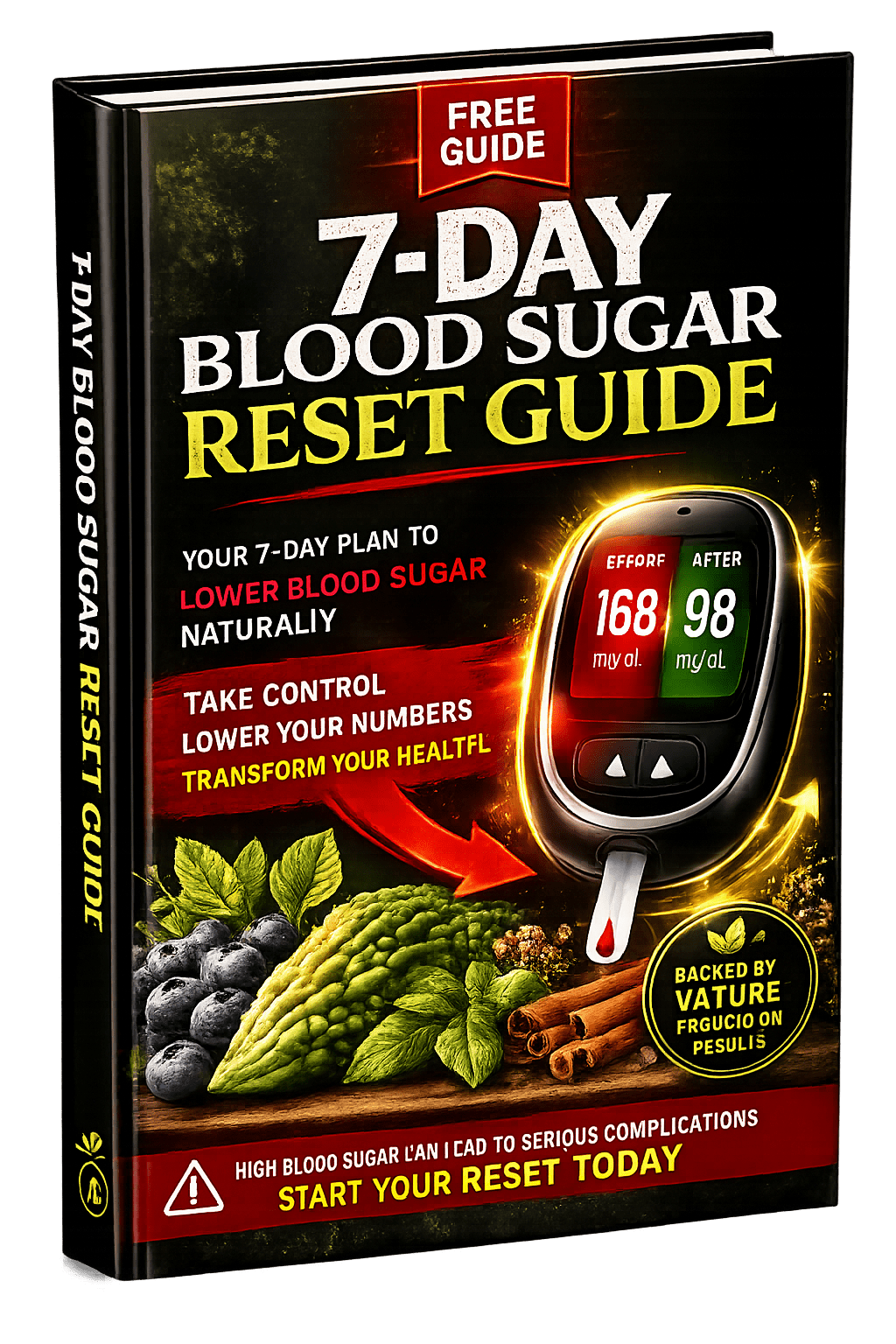
Based on the science above — Sarah’s pick
Look — most people who read articles like this one do exactly what I used to do. They understand the problem completely, nod along with the research, and then go back to the same things that were not working. I was stuck in that loop for months. What finally changed it wasn’t finding something perfect. It was finding something whose mechanism actually matched what the science was pointing to. That’s the bar I use for every recommendation I make here.
→ Gluco6
Most blood sugar supplements target symptoms. Gluco6 — created by Dr. Molly Leavitt — targets the GLUT-4 transport system, the cellular mechanism responsible for moving glucose from the bloodstream into muscle cells. This is the pathway the research actually points to.
*Affiliate link — I only recommend products whose mechanism I’ve personally researched. Results vary. Always consult your doctor.
❓ Frequently Asked Questions
What foods help prevent post meal blood sugar spikes?
Eating fiber and protein before carbohydrates slows glucose absorption and reduces post-meal spikes. Foods like leafy greens, legumes, eggs, and nuts consumed at the start of a meal can measurably blunt peak glucose levels.
How does movement after eating affect blood sugar?
Light activity like a 10–15 minute walk after a meal activates GLUT-4 transporters in muscle cells, which pull glucose out of the bloodstream more efficiently. This can lower post-meal glucose peaks without any medication or supplements.
What is the GLUT-4 transport system and why does it matter for blood sugar?
GLUT-4 is a protein that moves glucose from your blood into muscle cells for energy or storage. When GLUT-4 activity is impaired — due to insulin resistance or inactivity — glucose lingers in the bloodstream and creates higher post-meal spikes.
Does berberine actually lower blood sugar after meals?
Research shows berberine can activate AMPK, a cellular pathway that improves glucose uptake similarly to how exercise does. Studies have found it reduces post-meal glucose peaks, though it works best as part of a broader dietary strategy rather than a standalone fix.
Why do I still get blood sugar spikes even when eating healthy food?
Healthy foods like whole grains, fruit, and starchy vegetables can still cause significant glucose spikes depending on meal order, portion size, and your individual insulin sensitivity. The issue is often inefficient glucose clearance at the cellular level, not just the quantity of carbohydrates consumed.
📊 naturalbloodsugartips.com
You’ve read the research. You understand the mechanism. Here’s the next step.
🔬 This Is Why Gluco6 Works When Other Supplements Don’t
Gluco6 is built around Sukre, clinically shown to activate the GLUT-4 transporter — the same cellular pathway targeted by pharmaceutical interventions. Manufactured by Good Mix Naturals in Colorado. ClickBank 60-day money-back guarantee.
“This is what I would put in front of my own mother — not because the label is convincing, but because the ingredients match exactly what the peer-reviewed research points to.” — Sarah
⚠️ High demand — stock availability changes frequently. Check the official page.
*Individual results vary. Affiliate link — clicking supports this blog at no extra cost to you. Sarah is not a medical professional. Always consult your healthcare provider before starting any supplement.

About the Author — Sarah
I’m not a doctor or nutritionist — I’m a daughter who has been caring for my mother since her type 2 diabetes diagnosis. That journey pushed me to read the actual clinical research, track real results, and share what I find with people who deserve better than generic health advice. Everything here comes from that mission. Always consult your healthcare provider before making any changes to your treatment plan.
⚕️ Medical Disclaimer: I am not a medical professional. This blog reflects my personal research caring for a family member with diabetes. For informational purposes only — not medical advice. Always consult a qualified healthcare provider.
📚 Scientific References
- Yin J, et al. Efficacy of berberine in patients with type 2 diabetes mellitus. Metabolism. 2008;57(5):712-717. PMID: 19800084.
- Axelsson AS, et al. Sulforaphane reduces hepatic glucose production and improves glucose control in patients with type 2 diabetes. Science Translational Medicine. 2017;9(394):eaah4477. PMID: 28615356.
- Shukla AP, et al. Food order has a significant impact on postprandial glucose and insulin levels. Diabetes Care. 2015;38(7):e98-e99. PMID: 26106234.
- Colberg SR, et al. Postprandial walking is better for lowering the glycemic effect of dinner than pre-dinner exercise in type 2 diabetic individuals. Journal of the American Medical Directors Association. 2009;10(6):394-397. PMID: 19560716.