
How Long Does Berberine Take to Lower Blood Sugar? What We Learned Managing Mom’s Diabetes Naturally
📋 Table of Contents
I still remember sitting at my mom’s kitchen table, staring at her latest A1C results, feeling completely overwhelmed. Her numbers weren’t where her doctor wanted them, and I had spent weeks researching every possible option. That’s when I first started reading seriously about how berberine lower blood sugar levels — and whether this ancient plant compound could actually make a real difference for her. What I found surprised me, and our experience over the following months surprised me even more.
If you’re here because someone you love has type 2 diabetes, or maybe you’re managing your own blood sugar and wondering whether berberine is worth trying, I want to share everything we learned — honestly, from one person to another. No medical jargon, no sugarcoating. Just what I discovered through research and living it day by day alongside my mom.
Our Journey to Berberine — and Why We Tried It
My mom was diagnosed with type 2 diabetes about six years ago. She’s always been someone who preferred natural approaches when possible — not because she’s opposed to conventional medicine, but because she genuinely wanted to understand what was going into her body. So when her numbers started creeping up despite her best efforts with diet and walking, we started exploring complementary options together.
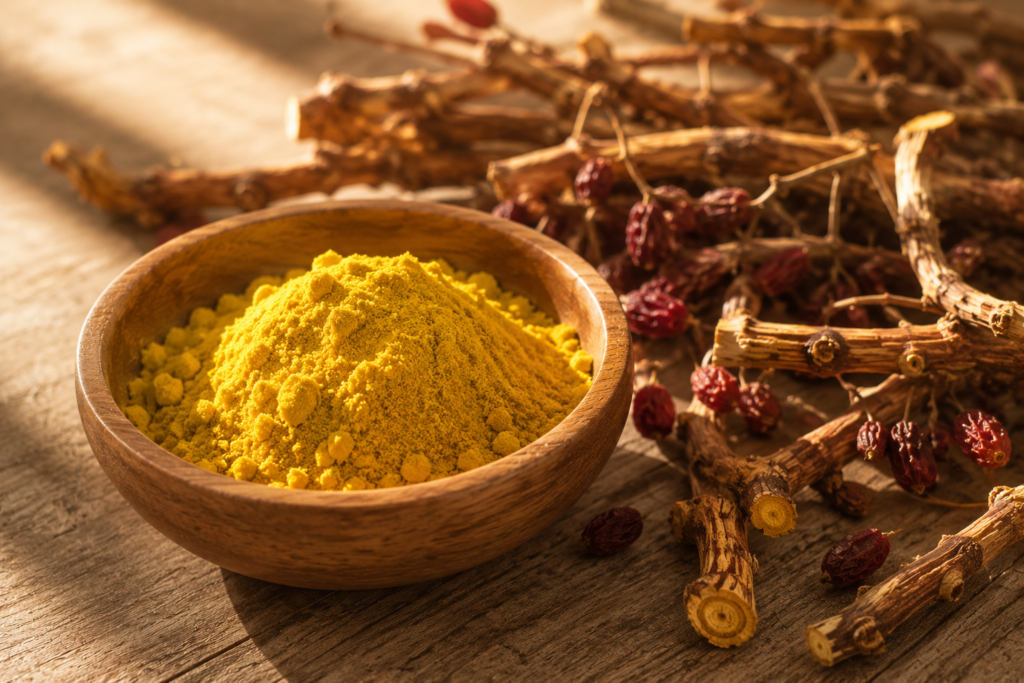
I spent a lot of time reading about herbs that lower blood sugar, and berberine kept coming up over and over again. It’s extracted from plants like barberry, goldenseal, and Oregon grape, and it has been used in traditional Chinese and Ayurvedic medicine for centuries. What caught my attention was how much modern research seemed to back it up — not just anecdotal stories, but actual clinical trials comparing it to common diabetes medications. That felt significant to me.
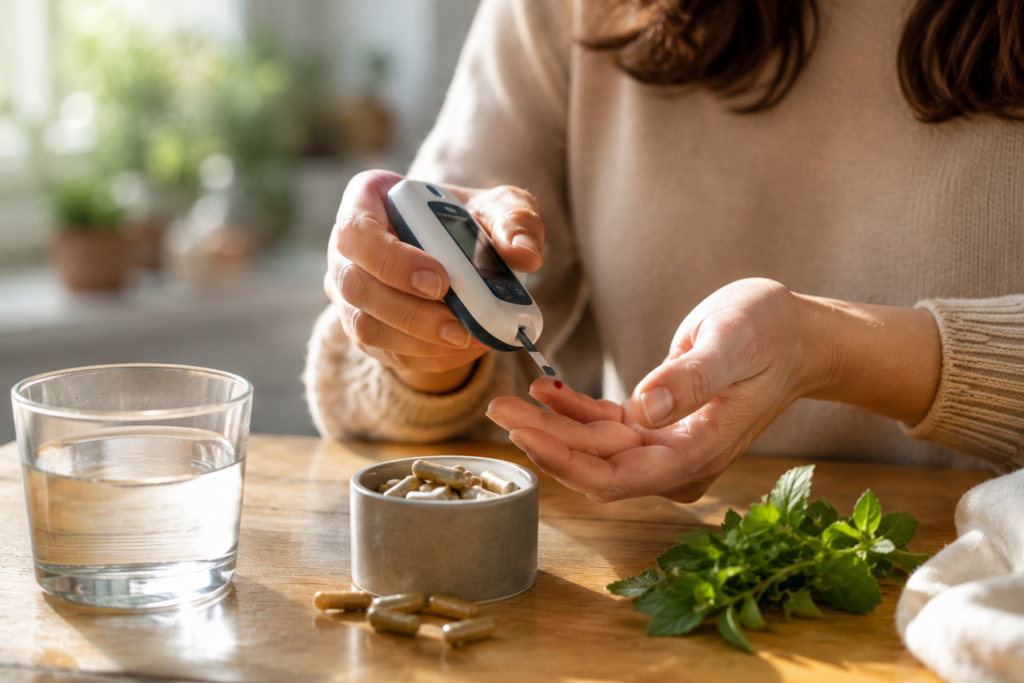
We talked to her doctor before starting anything, which I always recommend. Her doctor wasn’t opposed to us trying it alongside her existing plan, as long as we monitored carefully. So we did. And keeping that careful log of her numbers is actually how I can speak so specifically about the timeline.
How Long Does Berberine Take to Lower Blood Sugar?
This is the question I searched for endlessly before we started, and I want to give you the honest, nuanced answer I wish I had found. When it comes to how berberine lower blood sugar, the timeline isn’t the same for everyone — but there are some general patterns that both the research and our personal experience reflect.
Here’s roughly what we observed and what studies suggest:
- Within the first 1–2 weeks: Some people notice modest changes in fasting blood glucose relatively quickly. For my mom, her morning readings started shifting slightly lower around day ten. Nothing dramatic, but noticeable enough to keep us paying attention.
- Weeks 4–8: This is where we really saw movement. By the end of the first month, her post-meal spikes were less pronounced. By week eight, her fasting glucose had dropped meaningfully. This lines up with most clinical studies, which typically run 8–12 weeks and show the most significant results in that window.
- 3 months (one full quarter): The research consistently shows that A1C improvements — which reflect your average blood sugar over about three months — become measurable around this point. Mom’s next A1C after three months of consistent use showed a real improvement, and her doctor noted it at her appointment.
- Ongoing use beyond 3 months: Benefits appear to continue and even compound when berberine is used consistently alongside healthy habits. It’s not a one-time fix — it works best as part of a sustained lifestyle approach.
The key word there is consistently. Berberine lower blood sugar naturally works best when you take it regularly, typically with meals, and don’t skip doses. We learned that the hard way during a vacation week when mom’s routine got thrown off — her numbers reflected it within days.
🌿 No More Stomach Aches — Try Purisaki Berberine Patches
If you’ve tried berberine capsules and dealt with digestive discomfort, Purisaki Berberine Patches offer a smarter solution — a plant-based transdermal patch that delivers berberine directly through the skin, bypassing digestion entirely.
Learn More →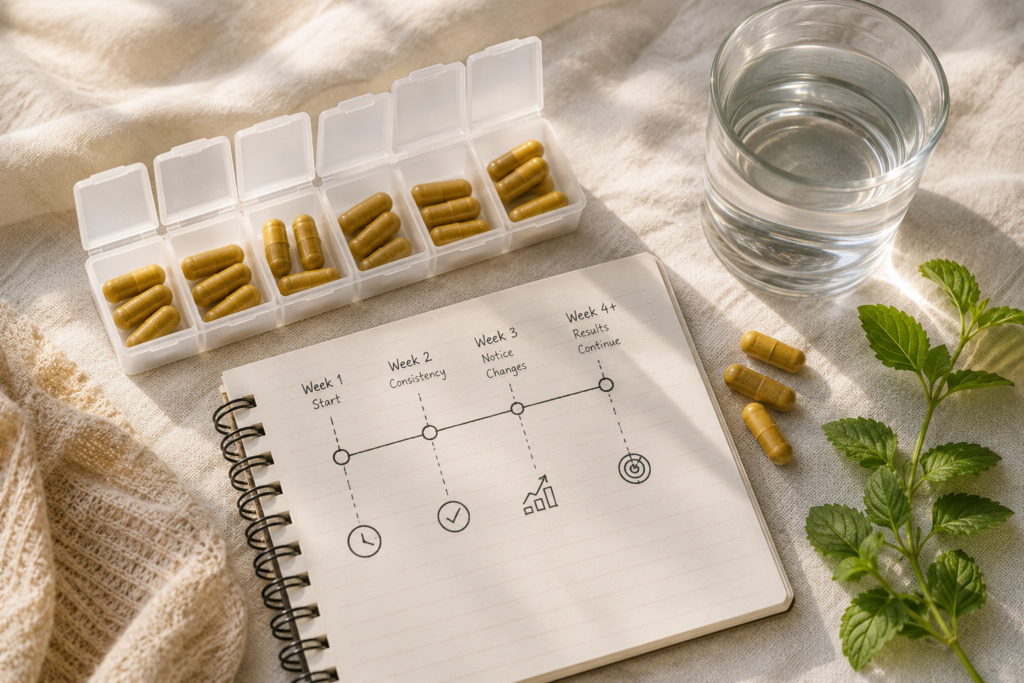
What the Research Says About Berberine and Blood Sugar
I’m not a scientist, but I spent a lot of evenings reading studies on PubMed, and here’s what struck me most. Berberine appears to work through a mechanism involving something called AMPK — an enzyme that essentially acts like a metabolic master switch in your cells. When activated, it helps your body use glucose more efficiently, similar in some ways to how metformin works. I was genuinely surprised when I first read that comparison.
Multiple studies have found that participants taking 500mg of berberine two to three times daily — always with meals — saw meaningful reductions in fasting blood glucose, post-meal glucose, and A1C over 8 to 12 weeks. One frequently cited study compared berberine head-to-head with metformin and found comparable results in blood sugar control.
For anyone exploring natural prediabetes reversal strategies, berberine is consistently one of the most researched options available. That doesn’t mean it replaces medical care — but it does mean it’s worth an informed conversation with your healthcare provider.
How to Get the Most Out of Berberine — Practical Tips That Worked for Us
Through trial and error over several months, we figured out some things that seemed to make a real difference in how well berberine lower blood sugar naturally for my mom. Here’s what I’d pass along:
- Take it with meals, not on an empty stomach. The standard dose in most research is 500mg, two to three times daily, taken right before or with food. This also helps reduce stomach upset, which can happen when you first start.
- Start low and go slow. Mom started with just 500mg once a day for the first week, then built up. Her digestive system thanked us for it.
- Pair it with dietary changes. Berberine isn’t magic on its own. When mom also focused on eating more foods that lower blood sugar — like leafy greens, legumes, and low-glycemic whole grains — the combination worked noticeably better than either approach alone.
- Track your numbers. We kept a simple notebook of her fasting glucose and occasional post-meal readings. Seeing real data helped us understand what was working and gave mom genuine motivation to stay consistent.
- Give it at least 8 weeks before judging results. If you try it for two weeks and don’t see dramatic changes, that doesn’t mean it’s not working. The full picture often takes longer to develop.
One thing I want to be real about: berberine lower blood sugar naturally is not something that happens overnight. It’s a gradual process, and patience is genuinely part of the strategy.
Is Berberine Right for Your Situation?
I can only speak from our experience, and every person’s body is different. What I know is that for my mom — a woman in her late sixties with type 2 diabetes who was already eating reasonably well and walking most days — adding berberine made a measurable difference in her numbers over the course of several months. She feels better, her doctor is encouraged by her numbers, and she feels like she has more agency in managing her health. That matters enormously to her.
If you’re considering berberine, please loop in your doctor or pharmacist first, especially if you’re already taking medications for blood sugar or blood pressure, since berberine can interact with certain drugs. Monitoring your glucose regularly during the first several weeks is also genuinely important — not to be anxious about it, but to understand what your body is doing.

What I’ve come to believe, after this whole journey, is that managing blood sugar naturally is rarely about finding one single solution. It’s about layering smart choices — the right supplements, the right foods, movement, stress management, good sleep — and staying consistent even when it feels slow. Berberine has been one meaningful piece of that puzzle for us, and I hope sharing our timeline and experience gives you a clearer, more realistic sense of what to expect if you decide to try it too.
🩹 The Smarter Way to Take Berberine — Without the Stomach Pain
Purisaki Berberine Patches combine plant-based berberine with other natural ingredients in a convenient daily patch format — no pills, no stomach upset, no guesswork. Just consistent, gentle support throughout the day.
👉 See Official Page*Results may vary. Affiliate link.
About the Author
I’m not a doctor or nutritionist — I’m a daughter who has been caring for my mother since her type 2 diabetes diagnosis. That journey pushed me to research natural alternatives and evidence-based lifestyle changes. Everything I share comes from that personal mission: to help my mom live better, with more energy and less dependence on medication. Always consult your healthcare provider before making any changes to your treatment plan.
⚕️ Medical Disclaimer: I am not a medical professional. This blog reflects my personal research caring for a family member with diabetes. For informational purposes only — not medical advice. Always consult a qualified healthcare provider.
📚 Scientific References
- Yin J, Xing H, Ye J. Efficacy of berberine in patients with type 2 diabetes mellitus. Metabolism. 2008;57(5):712-717. https://pubmed.ncbi.nlm.nih.gov/18442638/
- Zhang Y, Li X, Zou D, et al. Treatment of type 2 diabetes and dyslipidemia with the natural plant alkaloid berberine. Journal of Clinical Endocrinology & Metabolism. 2008;93(7):2559-2565. https://pubmed.ncbi.nlm.nih.gov/18397984/
- Lan J, Zhao Y, Dong F, et al. Meta-analysis of the effect and safety of berberine in the treatment of type 2 diabetes mellitus, hyperlipemia and hypertension. Journal of Ethnopharmacology. 2015;161:69-81. https://pubmed.ncbi.nlm.nih.gov/25498346/
- Rondanelli M, Perna S, Infantino V, et al. Berberine phospholipid exerts a positive effect on the blood lipid profile of overweight subjects with mild hypercholesterolemia. European Review for Medical and Pharmacological Sciences. 2020;24(8):4460-4468. https://pubmed.ncbi.nlm.nih.gov/32378726/