
How to Prevent Blood Sugar Crashes After Eating — What Finally Worked for My Mom

📋 Table of Contents
I still remember the afternoon my mom called me in a panic — shaking hands, sudden dizziness, and a kind of mental fog she described as “feeling like I’m disappearing.” Her blood sugar had dropped hard after what we thought was a perfectly reasonable lunch. That was the moment I became obsessed with how to prevent blood sugar crashes after eating — not just manage them after the fact, but stop them from happening in the first place. It took me months of research, trial and error, and more Google rabbit holes than I can count. But we got there. And I want to share everything I learned with you.
Reactive hypoglycemia — that post-meal blood sugar crash — is something a lot of people with type 2 diabetes (and even people without a diagnosis) experience regularly. You eat, your body releases a surge of insulin, and then your glucose drops too low, too fast. The result is that miserable wave of shakiness, brain fog, irritability, and exhaustion. For my mom, it was happening multiple times a week, and it was affecting her quality of life in a real way.
What I discovered is that you can absolutely prevent blood sugar crashes naturally — without overhauling everything overnight. It’s really about understanding the patterns, making smarter swaps, and building a few consistent habits that give your body a steadier foundation. Here’s what changed everything for us.
🎁 Free 7-Day Blood Sugar Reset Guide
Enter your email below and get instant access to the exact daily habits that help stabilize blood sugar naturally — starting tomorrow morning.
Why Blood Sugar Crashes Happen After Eating
Before we could fix the problem, I had to understand it. When you eat carbohydrates — especially refined ones like white bread, sugary drinks, or even fruit juice — your blood sugar rises quickly. Your pancreas responds by releasing insulin to shuttle that glucose into your cells. But if the insulin response is too strong, or if the carbs were digested too fast, blood sugar can overshoot and drop below a healthy range. That’s the crash. Knowing the signs your blood sugar is crashing — like sudden sweating, confusion, or intense hunger — helped us catch these episodes earlier and respond faster.
For people with type 2 diabetes, this pattern can be especially pronounced because insulin regulation is already out of balance. But the encouraging thing I found is that food choices, meal timing, and a few lifestyle adjustments can significantly smooth out that blood sugar rollercoaster.
How to Prevent Blood Sugar Crashes Naturally Through Meal Choices
How to Prevent Blood Sugar Crashes After Eating
Consult a healthcare provider for personalized blood sugar management advice.
📊 naturalbloodsugartips.com
This was the biggest game-changer for my mom. The goal is to slow down how quickly glucose enters the bloodstream — and that comes down almost entirely to what’s on the plate. Learning about foods that stabilize blood sugar all day helped me build meals that actually held her energy steady for hours instead of spiking and dropping within 90 minutes.

Here are the core principles we started following:
- Pair every carb with protein and fat. Eating carbohydrates alone is the fastest way to trigger a crash. Adding protein (like eggs, chicken, or Greek yogurt) and healthy fat (like avocado or olive oil) slows digestion and blunts the glucose spike.
- Choose low-glycemic carbohydrates. Things like sweet potatoes, legumes, oats, and quinoa raise blood sugar gradually rather than all at once. We swapped white rice for cauliflower rice or brown rice, and it made a noticeable difference.
- Eat vegetables first. I was surprised to learn that eating fiber-rich veggies at the start of a meal can significantly reduce the glycemic impact of everything that follows. We started every lunch and dinner with a simple salad or steamed greens.
- Watch portion sizes of starchy foods. Even healthy carbs can cause a spike if the portion is too large. We use the plate method — half vegetables, a quarter protein, a quarter complex carbs.
- Avoid sugary drinks entirely. Juice, soda, and sweetened coffee are fast lanes to a blood sugar crash. We replaced them with water, herbal tea, and the occasional sparkling water with lemon.
Stocking up on the right ingredients was half the battle. I found it really helpful to have a running list of foods that prevent blood sugar drops so we always had better options ready in the fridge.
⚡ Try Gluco6 — The GLUT-4 Blood Sugar Formula
Many people are switching to Gluco6 — created by Dr. Molly Leavitt and built around Sukre, an ingredient that targets the GLUT-4 transport system to move glucose from your bloodstream into your cells more efficiently.
Check Availability Inside the US →Timing and Habits That Help Prevent Blood Sugar Crashes
What you eat matters enormously — but when and how you eat matters just as much. One of the most effective ways to prevent blood sugar crashes naturally is to stop eating large, infrequent meals and shift toward smaller, more balanced meals spread throughout the day. For my mom, eating every 3 to 4 hours — with a small protein-fat snack between meals if needed — made a dramatic difference in how stable she felt all afternoon.
A few other habits that helped us:
- Don’t skip breakfast. Starting the day with a protein-rich meal — like eggs with sautéed vegetables — sets a stable blood sugar baseline that carries through the morning.
- Take a short walk after meals. Even 10 to 15 minutes of light movement after eating helps muscles absorb glucose from the bloodstream, which naturally prevents that post-meal spike and subsequent crash.
- Eat slowly and mindfully. Rushing through meals means less time for satiety signals to register, and often leads to overeating carbs. We started putting the fork down between bites — it sounds simple, but it genuinely helps.
- Don’t eat carbs on an empty stomach. If my mom woke up hungry and grabbed a piece of toast without anything else, she’d be shaky within an hour. Always pair it with something — peanut butter, cheese, a hard-boiled egg.
Natural Supplements and Remedies We Actually Tried
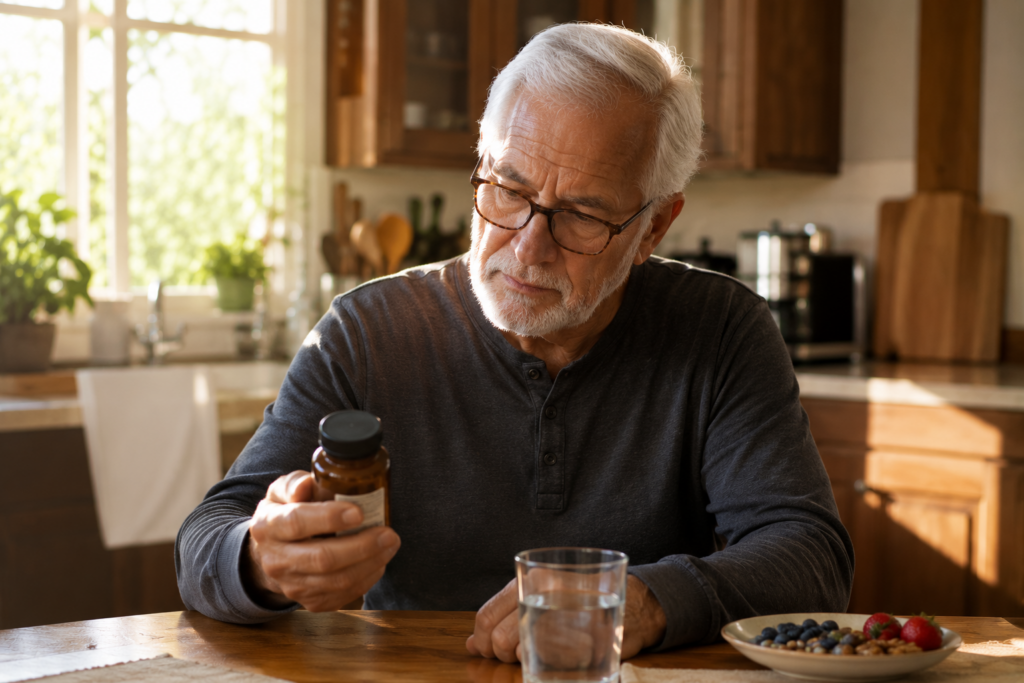
I want to be upfront — I’m not a doctor, and nothing here is medical advice. But after doing a lot of reading and talking with people in the diabetes community, we did explore some natural supplements to help prevent blood sugar crashes naturally, and a few of them seemed to make a real difference for my mom.
- Magnesium: Many people with type 2 diabetes are deficient in magnesium, which plays a role in insulin sensitivity. We added a magnesium glycinate supplement in the evenings.
- Apple cider vinegar: A tablespoon in a glass of water before a higher-carb meal seemed to blunt the glucose response. There’s some research to back this one up, which I found reassuring.
- Berberine: This one surprised me. It’s a plant compound that’s been studied for its effects on blood sugar regulation, and it seemed to help smooth things out for my mom when taken with meals.
- Cinnamon: We started adding it to oatmeal, smoothies, and even coffee. It may support insulin sensitivity, and it’s an easy, low-risk addition.
We always checked with her doctor before adding anything new, which I’d strongly encourage for anyone managing a chronic condition.
Putting It All Together — Our Daily Routine
What I’ve learned through all of this is that the best way to prevent blood sugar crashes naturally isn’t one dramatic change — it’s a collection of small, sustainable habits that work together. For my mom, the combination of balanced meals, consistent timing, a post-dinner walk, and a couple of well-chosen supplements has transformed her days. She has more energy, fewer scary episodes, and a lot more confidence in her own body.
If you’re in a similar situation — caring for someone with diabetes, or managing it yourself — please know that you’re not powerless here. The body responds beautifully to consistent, caring attention. Start with one change. See how it feels. Then add another. That’s how we did it, and it’s made all the difference.
🔬 See Why Gluco6’s Sukre Ingredient Is Different
Gluco6 is a daily blood sugar capsule with a unique mechanism most supplements completely overlook. Manufactured by Good Mix Naturals in Colorado, sold exclusively through the official site with a ClickBank-backed money-back guarantee.
👉 Claim Your Supply With Free Shipping Today⚠️ Update: Due to high demand, stock is limited. Check availability now.
*Results may vary. Affiliate link.
About the Author
I’m not a doctor or nutritionist — I’m a daughter who has been caring for my mother since her type 2 diabetes diagnosis. That journey pushed me to research natural alternatives and evidence-based lifestyle changes. Everything I share comes from that personal mission: to help my mom live better, with more energy and less dependence on medication. Always consult your healthcare provider before making any changes to your treatment plan.
⚕️ Medical Disclaimer: I am not a medical professional. This blog reflects my personal research caring for a family member with diabetes. For informational purposes only — not medical advice. Always consult a qualified healthcare provider.
📚 Scientific References
- Meng H, Matthan NR, Ausman LM, Lichtenstein AH. Effect of macronutrients and fiber on postprandial glycemic responses and meal glycemic index and glycemic load value determinations. Am J Clin Nutr. 2017;105(4):842-853. doi:10.3945/ajcn.116.144162
- Johnston CS, Kim CM, Buller AJ. Vinegar improves insulin sensitivity to a high-carbohydrate meal in subjects with insulin resistance or type 2 diabetes. Diabetes Care. 2004;27(1):281-282. doi:10.2337/diacare.27.1.281
- Yin J, Xing H, Ye J. Efficacy of berberine in patients with type 2 diabetes mellitus. Metabolism. 2008;57(5):712-717. doi:10.1016/j.metabol.2008.01.013
- Colberg SR, Sigal RJ, Yardley JE, et al. Physical activity/exercise and diabetes: a position statement of the American Diabetes Association. Diabetes Care. 2016;39(11):2065-2079. doi:10.2337/dc16-1728