
Natural Blood Sugar Management vs Prescription Medication: Which Is Safer for Your Long-Term Health?

⚡ Quick Answer
Natural blood sugar management — through diet, targeted supplements, and lifestyle changes — can be a safe and effective approach for many people with type 2 diabetes or prediabetes, particularly when blood sugar levels are mildly to moderately elevated. Prescription medications are often necessary for more advanced cases and should never be discontinued without a doctor’s guidance. The safest path for most people is an informed, collaborative approach that considers both options honestly.
📋 Table of Contents
- How My Mom’s Diagnosis Changed Everything
- Understanding Natural Blood Sugar Management vs Prescription Medication
- What Natural Blood Sugar Management Actually Looks Like in Practice
- An Honest Look at the Risks and Benefits of Both Approaches
- How We Made It Work — and What Finally Helped
- Final Thoughts
- Frequently Asked Questions
How My Mom’s Diagnosis Changed Everything
I still remember the afternoon my mom called me from the doctor’s office, her voice tight with worry. She’d just been told her A1C was 7.4% and her doctor was handing her a prescription for metformin before she’d even had a chance to ask a single question. I drove over that evening and sat at her kitchen table, and we just looked at each other. Neither of us knew much about natural blood sugar management at that point, but something in both of us resisted jumping straight to medication without exploring every option first.
I want to be clear: I’m not a doctor. I’m a daughter who spent hundreds of hours reading studies, calling pharmacists, joining online communities, and trying things with my mom’s full knowledge and her doctor’s grudging awareness. What we found surprised us both — and I think it might surprise you too.
This article is the honest comparison I wish I’d had at the start of that journey. I’ll walk you through what the research says, what we personally experienced, and what finally helped us find a sustainable rhythm. If you’re standing at the same crossroads — prescription in one hand, a handful of supplements in the other — I hope this gives you clarity.
Understanding Natural Blood Sugar Management vs Prescription Medication
Natural Blood Sugar Management vs Prescription Meds
| Feature | Natural Blood Sugar Management | Prescription Medications |
|---|---|---|
| Side Effects | Generally mild (digestive changes, supplement interactions) | Can include nausea, hypoglycemia, weight changes |
| Cost | Low to moderate (food, supplements) | Moderate to high (ongoing prescriptions) |
| Speed of Results | Slower, gradual improvement over weeks/months | Faster, often noticeable within days |
| Medical Supervision | Optional for mild cases | Required at all times |
| Long-Term Sustainability | High — supports lasting lifestyle habits | Ongoing dependency common |
| Best For | Prediabetes, prevention, mild blood sugar issues | Type 1, Type 2 diabetes, high-risk cases |
Always consult a healthcare provider before changing or stopping any diabetes medication.
📊 naturalbloodsugartips.com
At its core, the debate between natural blood sugar management and prescription medication isn’t really an either/or argument — it’s a spectrum. Prescription drugs like metformin, SGLT2 inhibitors, and GLP-1 receptor agonists work by directly intervening in your body’s glucose-handling chemistry. They’re powerful, they’re well-studied, and for people with significantly elevated blood sugar, they can be life-saving. But they also come with side effects that range from mildly inconvenient to genuinely concerning.
Natural approaches, on the other hand, work by supporting and optimizing the body’s own insulin sensitivity and glucose metabolism. If you’re exploring natural approaches to managing prediabetes, the evidence is actually quite encouraging — multiple clinical trials show that lifestyle interventions can reduce progression to full type 2 diabetes by over 50% in some populations. The key question is whether the natural route is appropriate for your current numbers, your health history, and your lifestyle.
What I discovered during my research is that most doctors — understandably — default to prescriptions because they work quickly and predictably. What they sometimes underestimate is how dramatically the right dietary changes, exercise habits, and targeted supplements can shift the picture, especially in the early to moderate stages of blood sugar dysregulation.
⚡ Try Gluco6 — The GLUT-4 Blood Sugar Formula
Many people are switching to Gluco6 — created by Dr. Molly Leavitt and built around Sukre, an ingredient that targets the GLUT-4 transport system to move glucose from your bloodstream into your cells more efficiently.
Check Availability Inside the US →What Natural Blood Sugar Management Actually Looks Like in Practice
When people hear “natural,” they sometimes picture vague advice like “eat less sugar and walk more.” But genuine natural blood sugar management is far more specific and science-backed than that. Here’s what we actually implemented with my mom, based on the evidence I found:
- Low-glycemic eating patterns: Swapping refined carbs for fiber-rich vegetables, legumes, and whole grains. We followed a loosely Mediterranean approach and her post-meal spikes dropped noticeably within two weeks.
- Consistent movement: Research consistently shows that even a 10–15 minute walk after meals can significantly reduce post-meal glucose. My mom started walking around the block after dinner every night — simple, but genuinely effective.
- Sleep and stress management: I was surprised to learn how much cortisol from poor sleep raises blood sugar. We prioritized getting mom 7–8 hours consistently and added a simple breathing routine before bed.
- Targeted supplementation: This is where things got really interesting. There are well-researched herbs for natural blood sugar control, including berberine, cinnamon extract, and gymnema sylvestre, that have real clinical data behind them.
- Blood sugar monitoring: We kept a cheap glucose monitor handy so we could see in real time what foods and habits were helping or hurting. This feedback loop was invaluable.
The combination of these approaches didn’t just nudge her numbers — within three months, her fasting glucose dropped from 148 to 112, and her next A1C came back at 6.6%. Her doctor was visibly surprised. He still wanted her on medication “just in case,” but acknowledged that her progress was real and significant.

An Honest Look at the Risks and Benefits of Both Approaches
I think it’s important to be balanced here, because I’ve seen too many natural health articles pretend that prescription medication is purely evil and that herbs are purely magical. Neither is true. Here’s a fair breakdown of what both sides bring to the table when weighing natural blood sugar management against pharmaceutical intervention:
- Prescription medications — pros: Fast-acting, extensively studied, highly predictable in effect, and often covered by insurance. For A1C levels above 9%, or for people with cardiovascular complications, they may be essential and non-negotiable.
- Prescription medications — cons: Common side effects include gastrointestinal distress (especially metformin), risk of hypoglycemia with certain drug classes, potential long-term kidney strain with some medications, and the psychological weight of feeling “dependent” on a drug.
- Natural approaches — pros: Address root causes like insulin resistance rather than just symptoms, carry fewer side effects when done correctly, support overall metabolic health, and empower people with a sense of agency over their own bodies.
- Natural approaches — cons: Require more commitment and consistency, results can be slower, supplement quality varies enormously, and they are not appropriate as the sole strategy for advanced or poorly controlled diabetes.
If you’re comparing natural supplements vs prescription alternatives, the honest answer is that the best outcomes often come from combining the two intelligently — not treating them as enemies. Even conventional endocrinologists now acknowledge that lifestyle changes are “first-line therapy” for type 2 diabetes. Medications are often a bridge, not a permanent destination.

How We Made It Work — and What Finally Helped
About four months into our journey, I came across a formula called Gluco6, developed by Dr. Molly Leavitt. What caught my attention was the focus on a specific mechanism — the GLUT-4 glucose transport system, which is essentially the “door” that lets glucose move out of your blood and into your cells. When GLUT-4 activity is impaired, blood sugar stays elevated even when insulin is present. The key ingredient, Sukre, is designed to support that transport process directly, and the science behind it genuinely intrigued me.
My mom started taking it alongside the dietary and lifestyle changes she’d already built up, and within the first few weeks she noticed her energy levels were steadier — fewer afternoon slumps, better morning readings. I can’t promise it will work the same for everyone, but paired with everything else we were doing, it felt like the final piece of a puzzle that had been almost complete for months. If you’re curious about whether it might fit into your own routine, it’s worth checking out what’s currently available.
The bigger lesson I learned through all of this is that natural blood sugar management is not about being anti-medicine. It’s about being pro-understanding. It’s about knowing your options, tracking your own results, and not settling for a prescription as the first and only answer when your body might respond powerfully to the right combination of food, movement, and targeted support.
Final Thoughts
My mom’s journey taught me that the question isn’t really “natural OR prescription” — it’s “what does this specific person need right now, and what’s the most complete, sustainable path forward?” For her, committing to a genuine natural blood sugar management program — real dietary changes, daily movement, quality supplementation, and consistent monitoring — made a measurable, lasting difference. She’s now managing well without medication, with her doctor’s full awareness and regular check-ins.
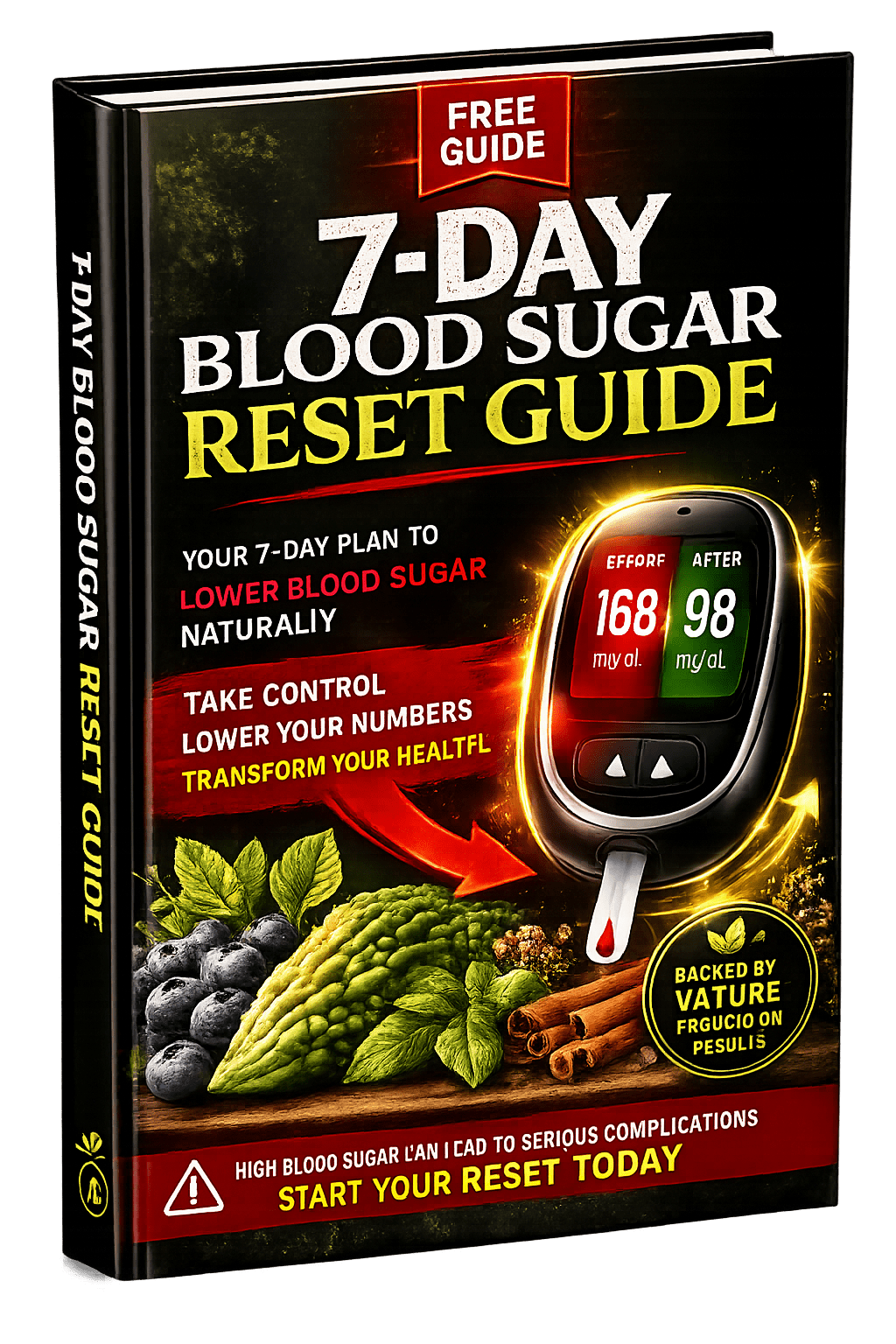
If you’re in the early stages of elevated blood sugar, or if you’re already on medication and wondering whether you could eventually reduce your dependence on it, I genuinely encourage you to explore the natural path with curiosity and care. Start with the free guide below, talk to your doctor openly, and give your body the chance to show you what it’s capable of. You might be as surprised as we were.
Frequently Asked Questions
- Can natural blood sugar management replace prescription medication for type 2 diabetes?
- For mild to moderate cases, natural approaches including diet, exercise, and supplementation can significantly reduce or sometimes eliminate the need for medication — but this must be done with a doctor’s oversight. People with advanced diabetes or very high A1C levels typically require medication alongside lifestyle changes. Never stop a prescription without medical guidance.
- What are the safest natural supplements for blood sugar control?
- Berberine, cinnamon extract, gymnema sylvestre, and chromium are among the most studied natural supplements for blood sugar support, with clinical evidence backing their effects on insulin sensitivity and glucose metabolism. Quality and dosage matter
🔬 See Why Gluco6’s Sukre Ingredient Is Different
Gluco6 is a daily blood sugar capsule with a unique mechanism most supplements completely overlook. Manufactured by Good Mix Naturals in Colorado, sold exclusively through the official site with a ClickBank-backed money-back guarantee.
👉 Claim Your Supply With Free Shipping Today⚠️ Update: Due to high demand, stock is limited. Check availability now.
*Results may vary. Affiliate link.

About the Author — Sarah
I’m not a doctor or nutritionist — I’m a daughter who has been caring for my mother since her type 2 diabetes diagnosis. That journey pushed me to research natural alternatives and evidence-based lifestyle changes. Everything I share comes from that personal mission: to help my mom live better, with more energy and less dependence on medication. Always consult your healthcare provider before making any changes to your treatment plan.
⚕️ Medical Disclaimer: I am not a medical professional. This blog reflects my personal research caring for a family member with diabetes. For informational purposes only — not medical advice. Always consult a qualified healthcare provider.
📚 Scientific References
- References could not be generated. Please add manually from PubMed: pubmed.ncbi.nlm.nih.gov