
No Glycemic Foods & Complete Low-Glycemic Diet Foods List (Printable Guide 2026)
⚡ Quick Answer
No glycemic foods — also called no GI foods — have a glycemic index of zero and cause no blood sugar rise. They include pure proteins, pure fats, and most non-starchy vegetables. Low-glycemic diet foods have a GI of 55 or below and include legumes, whole fruits, nuts, seeds, and minimally processed grains. Building every meal around no-GI anchors (protein + fat + non-starchy vegetables) and adding small portions of low-GI carbohydrates is the most effective strategy for blood sugar stability.
📋 Table of Contents
- What Is the Glycemic Index — and Why It Changed Everything for Us
- GI vs. Glycemic Load: The Difference That Actually Matters
- No Glycemic Foods: Complete List (GI = 0)
- Complete Low-Glycemic Diet Foods List by Category
- How to Combine Foods to Lower Glycemic Impact
- How to Build a Low-GI Plate (The Simple Method)
- 7-Day Low-Glycemic Meal Plan
- High-GI Foods to Limit or Avoid
- Cooking Tips That Lower GI Automatically
- ❓ Frequently Asked Questions
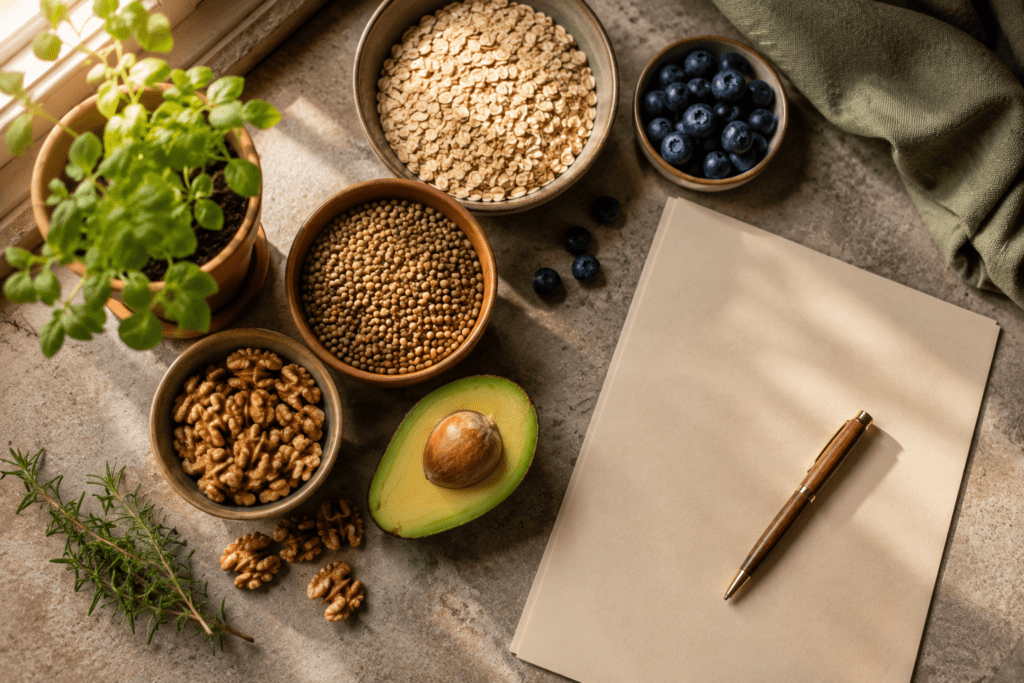
No glycemic foods and low-GI foods were concepts I had never heard of until the night my mom was diagnosed with type 2 diabetes — and they changed everything about how our family eats. I still remember standing in the grocery store with her handwritten list, completely overwhelmed. Her doctor had handed us a pamphlet that said “watch your carbs” — and nothing else. It wasn’t until I fell down a research rabbit hole one late Tuesday night that I discovered the glycemic index and, more importantly, which foods have no glycemic impact at all.
That discovery became the foundation of my mom’s blood sugar management. I wish someone had handed me a complete, practical guide from day one — not just a list, but a real explanation of how to use it. That is exactly what this is: the complete low-glycemic foods list, a 7-day meal plan, food combination strategies, and cooking tips — everything in one place.

What Is the Glycemic Index — and Why It Changed Everything for Us
The glycemic index (GI) was developed by researchers at the University of Toronto in the early 1980s. It measures how quickly 50 grams of carbohydrate from a specific food raises blood glucose compared to pure glucose, which scores 100.
📊 GI Scale at a Glance
0
No GI Foods
Proteins, fats, non-starchy vegetables — zero blood sugar impact
1–55
Low GI
Slow digestion, gradual blood sugar rise — eat freely
56–69
Medium GI
Moderate effect — eat in smaller portions with protein or fat
70+
High GI
Rapid blood sugar spike — limit or pair with no-GI foods
For my mom, shifting toward low-glycemic diet foods and building meals around no glycemic foods meant her post-meal glucose readings became far more predictable. Instead of alarming spikes after dinner, we started seeing smooth, manageable numbers. She also stopped feeling hungry an hour after eating — because slower-digesting foods keep you fuller, longer. If you’re looking for foods that stabilize blood sugar all day, this framework is where it starts.
GI vs. Glycemic Load: The Difference That Actually Matters
Here is something most low-GI guides miss: the glycemic index alone is not the whole story. The glycemic load (GL) is what actually predicts real-world blood sugar impact, because it accounts for the amount of carbohydrate in a typical serving — not just the speed.
🧮 GI vs. GL — Real Examples
| Food | GI | Typical Serving | GL per Serving | Verdict |
|---|---|---|---|---|
| Watermelon | 72 | 120g | 4 ✅ | High GI but low GL — fine in normal portions |
| White bread | 75 | 30g (1 slice) | 11 ❌ | Both high — limit or swap for rye |
| Steel-cut oats | 42 | 250g cooked | 9 ✅ | Low GI and moderate GL — excellent choice |
| Lentils | 28 | 150g cooked | 5 ✅ | Both very low — eat freely |
| White rice | 72 | 150g cooked | 29 ❌ | Both high — switch to basmati or cauliflower rice |
GL under 10 = low | GL 11–19 = medium | GL 20+ = high
The practical takeaway: don’t fear watermelon or carrots just because they have a higher GI. Look at how much you’re actually eating. The GL puts everything in real-world context — and it’s the number that actually predicts how your blood sugar will respond.
No Glycemic Foods: Complete List (GI = 0)
When people search for no glycemic foods or no GI foods, they want to know: which foods can I eat freely without worrying about blood sugar at all? These are foods with zero digestible carbohydrates — no carbs means no glucose response, which means no insulin spike.
✅ Complete No Glycemic Foods List (GI = 0)
🥩 Pure Proteins (GI = 0)
- Eggs — any preparation
- Chicken breast, thighs, drumsticks
- Turkey, duck
- Beef — lean cuts, ground beef
- Pork tenderloin, pork chops
- Salmon, tuna, cod, tilapia
- Shrimp, crab, scallops, oysters
- Lamb, venison, bison
🫒 Pure Fats (GI = 0)
- Olive oil, extra virgin olive oil
- Coconut oil, MCT oil
- Avocado oil
- Butter, ghee
- Heavy cream
- Lard, tallow (in moderation)
- Most hard cheeses
🥦 Non-Starchy Vegetables (GI 0–15)
- Spinach, kale, arugula, lettuce
- Broccoli, cauliflower, Brussels sprouts
- Zucchini, cucumber, celery
- Bell peppers (all colors)
- Mushrooms, asparagus
- Green beans, snap peas
- Tomatoes, eggplant, cabbage
- Onions, garlic, leeks
Pro tip: Build every meal around these 3 columns — a protein (no GI) + a fat (no GI) + non-starchy vegetables (near-zero GI). Then add a low-GI carbohydrate if needed. This structure alone keeps most people’s blood sugar stable without any counting.
Complete Low-Glycemic Diet Foods List by Category
Top Low-Glycemic Foods by Category
Here is the full breakdown by category with GI values:
| Food | GI | Notes |
|---|---|---|
| 🥦 Non-Starchy Vegetables / No GI Foods | ||
| Spinach, kale, arugula | 5–10 | Eat freely — effectively no GI foods |
| Broccoli, cauliflower, Brussels sprouts | 10–15 | High in fiber and sulforaphane |
| Zucchini, cucumber, celery, bell peppers | 10–15 | Great raw or cooked |
| Mushrooms, asparagus, green beans | 10–15 | Versatile and filling |
| Tomatoes, eggplant, cabbage | 10–15 | Rich in polyphenols |
| 🫘 Legumes & Beans | ||
| Soybeans, edamame | 15–18 | Highest protein of all legumes |
| Lentils (red, green, black) | 21–30 | Among the best low-GI carbs available |
| Split peas | 25 | Great in soups and stews |
| Chickpeas / garbanzo beans | 28–36 | Excellent roasted as a snack |
| Black beans, kidney beans, navy beans | 24–40 | High in resistant starch |
| 🥜 Nuts, Seeds & Healthy Fats | ||
| Chia seeds, flaxseeds | 1–5 | Excellent for slowing digestion of other foods |
| Walnuts, almonds, pecans | 0–15 | Handful (28g) as a snack is ideal |
| Avocado | 10–15 | Rich in monounsaturated fat — lowers meal GI |
| Natural peanut butter, almond butter | 13–14 | Unsweetened only |
| 🍎 Low-GI Fruits | ||
| Cherries | 20–22 | Also anti-inflammatory |
| Grapefruit | 25 | Check with doctor if on medication |
| Strawberries, blueberries, raspberries | 25–40 | Antioxidant powerhouses |
| Apples, pears (with skin) | 36–38 | Eat whole, not juiced |
| Peaches, plums | 38–42 | Best slightly underripe |
| Oranges, tangerines | 43–47 | Eat whole for fiber benefit |
| 🌾 Whole Grains & Starchy Vegetables | ||
| Barley (pearl or hulled) | 22–28 | Highest beta-glucan content of all grains |
| Yam | 35–37 | Lower GI than sweet potato |
| Rolled oats / steel-cut oats | 42–55 | Steel-cut is lower GI than rolled |
| Sweet potato (boiled) | 44–54 | Baked raises GI significantly — boil instead |
| Whole grain rye bread | 41–46 | Best bread option for blood sugar |
| Quinoa | 53 | Complete protein + low GI combination |
| 🥛 Dairy & Alternatives | ||
| Cottage cheese | 10–15 | High protein, very low GI |
| Plain Greek yogurt (unsweetened) | 11–20 | Add berries and walnuts for a perfect snack |
| Unsweetened soy milk | 30–34 | Good milk alternative for diabetics |
| Whole milk, skim milk | 27–37 | Avoid flavored or sweetened varieties |
⚡ Balance Your Blood Sugar with Sugar Defender
Thousands of people are combining these food habits with Sugar Defender — a plant-based liquid formula designed to support healthy blood sugar levels and natural energy, without stimulants.
Check Availability Inside the US →How to Combine Foods to Lower Glycemic Impact
This is the section most low-GI guides skip — and it’s one of the most powerful tools available. The glycemic impact of a meal is not just about individual food GI values. How you combine foods dramatically changes what your blood sugar actually does. A medium-GI food eaten alone will spike blood sugar much more than the same food eaten with protein, fat, and fiber.
🔬 Food Combination Rules That Lower GI
Add fat to carbohydrates
Adding avocado, olive oil, or nuts to a carb-containing meal slows gastric emptying and reduces the glucose spike. Example: avocado toast has a significantly lower glycemic response than plain toast.
Eat protein before or with carbohydrates
Research shows that eating protein first in a meal — before the carbohydrate portion — can reduce post-meal glucose by up to 40%. Try eating your chicken or fish before the rice or bread.
Add vinegar or lemon juice
Acetic acid in vinegar (apple cider, balsamic, or white wine vinegar) can lower the glycemic response of a meal by 20–35%. A simple vinaigrette salad dressing before or with a meal makes a real difference.
Load half your plate with non-starchy vegetables first
The fiber in vegetables slows the absorption of any carbohydrates eaten in the same meal. This “fiber buffer” is one of the most consistent blood sugar strategies in clinical research.
Never eat high-GI carbs alone or on an empty stomach
A piece of white bread alone causes a much higher glucose spike than the same bread eaten as part of a meal with eggs, avocado, and salad. The no-GI foods surrounding a carbohydrate act as a natural buffer.
How to Build a Low-GI Plate (The Simple Method)
You don’t need to memorize GI numbers for every food. This simple plate-building method handles it automatically — and it’s what we actually use every day for my mom.
🍽️ The Low-GI Plate Method
Non-Starchy Vegetables
Broccoli, spinach, zucchini, salad, peppers, mushrooms. These are your no glycemic foods — fill half the plate.
Lean Protein
Chicken, fish, eggs, tofu, legumes. No GI — anchors the meal and slows carb absorption.
Low-GI Carbohydrate
Sweet potato, lentils, quinoa, oats, or whole grain bread. Keep to a fist-sized portion.
➕ Add 1–2 tbsp of healthy fat (olive oil, avocado, nuts) to every meal to lower the glycemic response further
7-Day Low-Glycemic Meal Plan
Here is the actual 7-day meal plan we built for my mom. Every meal follows the plate method above — no GI food anchors, low-GI carbs in small portions, healthy fats included. Blood sugar readings became noticeably smoother within the first week.
| Day | Breakfast | Lunch | Dinner | Snack |
|---|---|---|---|---|
| Mon | Steel-cut oats with cinnamon, walnuts, and fresh blueberries | Lentil soup with kale and a slice of rye bread | Baked salmon with roasted broccoli and ½ cup quinoa | Apple with 1 tbsp almond butter |
| Tue | 2 scrambled eggs with spinach and avocado | Grilled chicken salad with mixed greens, cucumber, olive oil, and lemon dressing | Ground turkey stir-fry with zucchini, bell peppers, and cauliflower rice | Plain Greek yogurt with strawberries |
| Wed | Chia pudding made with unsweetened soy milk, topped with raspberries | Black bean and vegetable bowl with salsa and cottage cheese | Baked cod with asparagus and boiled sweet potato | Handful of walnuts and a few dark cherries |
| Thu | Rolled oats with flaxseed, cinnamon, and a pear | Turkey lettuce wraps with avocado and tomato | Grilled chicken thighs with roasted Brussels sprouts and barley | Celery with natural peanut butter |
| Fri | Veggie omelette (eggs, spinach, mushrooms, feta) with olive oil | Chickpea and vegetable soup with whole grain rye toast | Shrimp stir-fry with broccoli, snap peas, garlic, and ½ cup basmati rice | Orange and 10 almonds |
| Sat | Smoothie: unsweetened almond milk, spinach, ½ frozen banana, chia seeds, protein powder | Tuna salad (with avocado instead of mayo) over mixed greens with lemon vinaigrette | Baked chicken with ratatouille (eggplant, zucchini, tomato) and lentils | Cottage cheese with blueberries |
| Sun | Poached eggs on rye toast with sliced tomato and arugula | Roasted vegetable and quinoa bowl with tahini dressing | Slow-cooked beef and vegetable stew with yam | Pear with a small piece of dark chocolate (85%+) |
High-GI Foods to Limit or Avoid
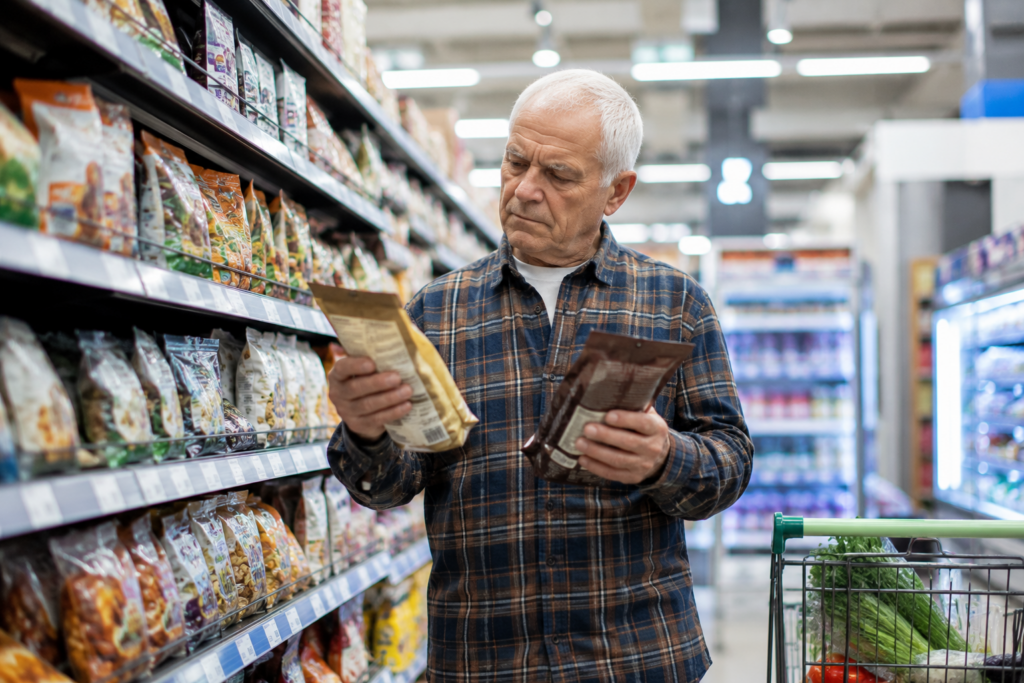
Knowing what to eat is important, but understanding what raises blood sugar rapidly is equally critical. These foods have a high GI and, in typical portions, a high glycemic load — meaning they cause fast, significant glucose spikes. They are not permanently forbidden, but they need to be eaten in small portions, combined with no glycemic foods, and never on an empty stomach.
| High-GI Food | GI | Better Swap |
|---|---|---|
| White bread | 75 | Whole grain rye bread (GI 41–46) |
| White rice | 72–87 | Basmati rice (GI 50) or cauliflower rice (GI ~5) |
| Instant oatmeal (sweetened) | 83 | Steel-cut oats (GI 42) |
| Baked / mashed potato | 78–87 | Boiled sweet potato (GI 44–54) |
| Sugary cereals | 65–83 | Steel-cut oats with nuts and berries |
| Soda and sweetened beverages | 60–90+ | Sparkling water with lemon or unsweetened tea |
| Fruit juice | 60–70 | Whole fruit (retains fiber — much lower GI) |
| Rice cakes, pretzels | 70–82 | Handful of almonds or cucumber with hummus |
| Baked goods (cookies, cakes, pastries) | 70–100+ | Dark chocolate (85%+) in small amounts |
Cooking Tips That Lower GI Automatically
The same food can have very different GI values depending on how it is prepared. These cooking strategies automatically lower the glycemic impact of your meals without changing what you eat — just how you prepare it.
- Cook pasta al dente: Overcooked pasta (GI 65–70) vs. firm al dente pasta (GI 40–45) — same food, very different blood sugar response. The firmer structure slows starch digestion.
- Cool and reheat starchy carbs: Cooked and cooled rice, potatoes, and pasta develop resistant starch — a type of fiber that is not digested. Reheating does not fully reverse this. Cold potato salad has a significantly lower GI than freshly baked potato.
- Boil instead of bake: Baked potato GI ≈ 85 vs. boiled potato GI ≈ 50. The water content in boiling slows starch gelatinization. Sweet potato responds the same way — boil it, don’t bake it.
- Use vinegar-based dressings: A tablespoon of apple cider vinegar or balsamic vinegar with your meal can lower post-meal glucose by 20–35% by slowing gastric emptying. We use a simple olive oil and lemon vinaigrette on almost every salad now.
- Add cinnamon: Ceylon cinnamon has been shown to improve insulin sensitivity and reduce post-meal glucose spikes. We add ½ teaspoon to oatmeal, smoothies, and even savory dishes like stews.
- Choose less-ripe fruit: A green banana has a GI of about 30; a fully ripe yellow banana has a GI of 60+. The same applies to other fruits — slightly underripe is almost always lower GI.
- Eat vegetables raw when practical: Raw carrots have a GI of about 16; cooked carrots jump to 35–47. Not always practical, but worth knowing for snack choices.
🩸 Support Healthy Blood Sugar with Sugar Defender
Sugar Defender combines 8 carefully selected plant-based ingredients to support glucose metabolism, reduce cravings, and boost energy naturally. FTC-compliant, made in a GMP-certified facility.
👉 Claim Your Supply With Free Shipping Today⚠️ Update: Due to high demand, stock is limited. Check availability now.
*Results may vary. Affiliate link.
❓ Frequently Asked Questions — No Glycemic Foods & Low-GI Diet

About the Author — Sarah
I’m not a doctor or nutritionist — I’m a daughter who has been caring for my mother since her type 2 diabetes diagnosis. That journey pushed me to research natural alternatives and evidence-based lifestyle changes. Everything I share comes from that personal mission: to help my mom live better, with more energy and less dependence on medication. Always consult your healthcare provider before making any changes to your treatment plan.
⚕️ Medical Disclaimer: I am not a medical professional. This blog reflects my personal research caring for a family member with diabetes. For informational purposes only — not medical advice. Always consult a qualified healthcare provider.
📚 Scientific References
- Atkinson FS, Foster-Powell K, Brand-Miller JC. International tables of glycemic index and glycemic load values: 2008. Diabetes Care. 2008;31(12):2281-2283. PMID: 18835944.
- Livesey G, Taylor R, Livesey HF, et al. Dietary glycemic index and load and the risk of type 2 diabetes. Nutrients. 2019;11(6):1280. PMID: 31174387.
- Jenkins DJ, Wolever TM, Taylor RH, et al. Glycemic index of foods: a physiological basis for carbohydrate exchange. American Journal of Clinical Nutrition. 1981;34(3):362-366. PMID: 6259925.
- Brand-Miller J, Hayne S, Petocz P, Colagiuri S. Low-glycemic index diets in the management of diabetes: a meta-analysis of randomized controlled trials. Diabetes Care. 2003;26(8):2261-2267. PMID: 12882846.
- Shukla AP, et al. Food order has a significant impact on postprandial glucose and insulin levels. Diabetes Care. 2015;38(7):e98-99. PMID: 25939735.
- Johnston CS, Kim CM, Buller AJ. Vinegar improves insulin sensitivity to a high-carbohydrate meal in subjects with insulin resistance or type 2 diabetes. Diabetes Care. 2004;27(1):281-282. PMID: 14694010.