
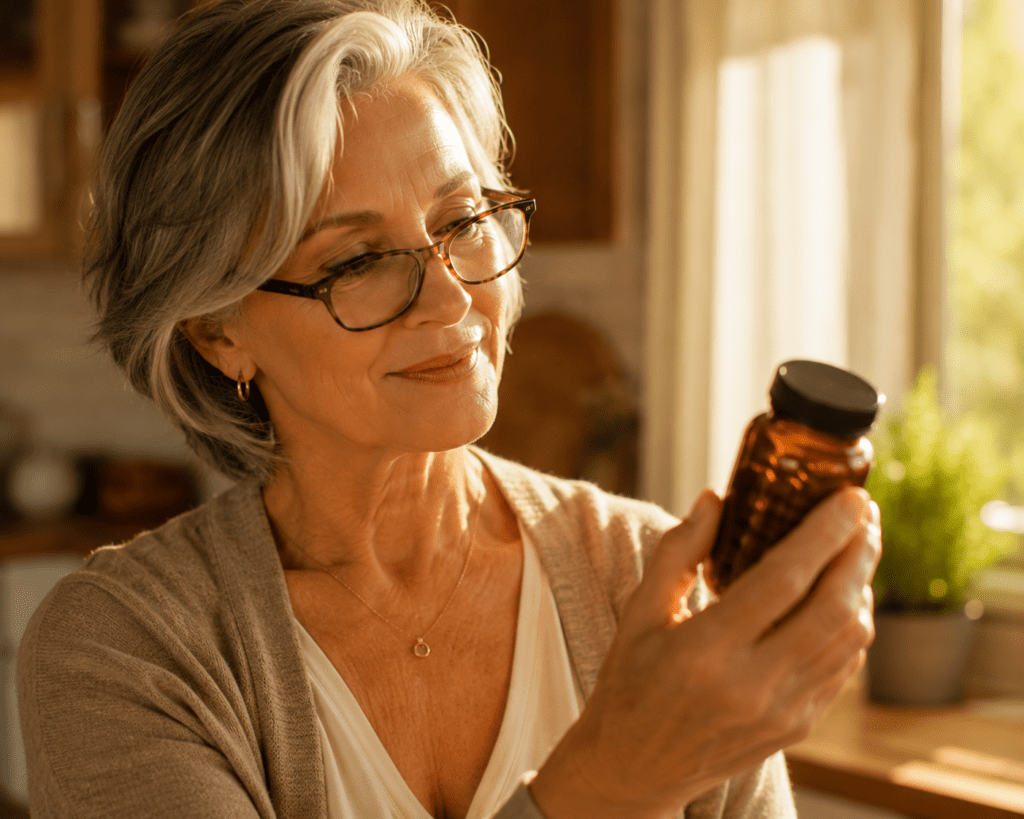
Can Vitamins Lower HbA1c Levels? The Evidence You Actually Need
⚡ Quick Answer
Yes — certain vitamins and plant-based compounds can help vitamins lower HbA1c levels by improving insulin sensitivity, reducing oxidative stress, and supporting healthy glucose metabolism. The most clinically supported options include berberine, magnesium, vitamin D, and chromium. Results vary by individual, but the research is more promising than most conventional advice suggests.
📋 Table of Contents
- Can Vitamins Really Lower HbA1c Levels? Here’s the Direct Answer
- The Science Behind How Vitamins Lower HbA1c Levels Naturally
- How to Actually Use These Supplements: A Practical Guide
- The Myth That’s Keeping People Stuck
- What to Watch Out For
- Conclusion: Putting It All Together
- ❓ Frequently Asked Questions
It was late on a Tuesday night — well past eleven — when I finally stumbled onto the research that made everything click. I’d been buried in PubMed for hours, not because I enjoy it, but because I was desperate for real answers. And then I saw it: a cluster of controlled trials showing measurable, consistent drops in HbA1c with specific nutrient protocols. It wasn’t buried or obscure. It had been sitting there, published and peer-reviewed. The evidence was clear, and it explained exactly why the generic advice — “eat less sugar, walk more” — was only part of the picture. If you’ve been looking for whether vitamins lower HbA1c levels and whether that’s actually backed by anything real, you’re in exactly the right place.
Can Vitamins Really Lower HbA1c Levels? Here’s the Direct Answer
The short answer is yes — but the longer answer is more useful. Not every vitamin works, and not every supplement sold in a health food store has clinical backing behind it. What the research consistently shows is that a targeted group of nutrients — particularly those involved in insulin signaling, glucose transport, and inflammation control — can produce meaningful reductions in HbA1c over a period of 8 to 24 weeks.
HbA1c measures the percentage of hemoglobin coated with glucose over roughly three months. It’s the gold standard for long-term blood sugar management, and even a 0.5% reduction carries clinical significance — it correlates with meaningfully lower risk of complications. So when studies show certain compounds producing 0.5–1.5% reductions, that’s not a rounding error. That’s real impact.
Here’s what genuinely surprised me when I went deep into this research: berberine — a plant alkaloid, not technically a vitamin but consistently grouped in the supplement category — performed comparably to metformin in several head-to-head trials. Not “almost as good.” Comparable. That’s not something you hear in a standard doctor’s office conversation, but it’s sitting right there in the clinical data.
The key nutrients with the strongest evidence for helping to lower HbA1c naturally include:
- Berberine — shown in multiple trials to reduce fasting glucose and HbA1c, often by 1–1.5% in people with type 2 diabetes
- Magnesium — low magnesium is strongly associated with insulin resistance; correcting deficiency consistently improves glycemic markers
- Vitamin D — deficiency is disproportionately common in people with type 2 diabetes, and supplementation supports insulin secretion from pancreatic beta cells
- Chromium — enhances the action of insulin at the cellular level, particularly in people with chromium depletion
- Alpha-lipoic acid — reduces oxidative stress that directly impairs insulin receptor function
But knowing which nutrients matter is only half the equation. The other half — and this is where most people get it wrong — is understanding why they work at the cellular level. Because when you understand the mechanism, you stop chasing random supplements and start making strategic choices.
The Science Behind How Vitamins Lower HbA1c Levels Naturally
What if the real problem isn’t just blood sugar — but the biological machinery that’s supposed to manage it? That’s the reframe that changed how I looked at this entire topic.
Most conversations about high HbA1c focus on carbohydrate intake. And yes, that matters. But here’s what’s actually happening underneath: when insulin receptors become desensitized, glucose can’t enter muscle cells efficiently. It stays in the bloodstream. Your pancreas pumps out more insulin trying to compensate. Over time, oxidative stress and inflammation degrade those receptors further. It’s a self-reinforcing cycle — and it’s one that diet alone often can’t fully interrupt.
This is exactly where vitamins lower HbA1c levels naturally in ways that are mechanistically distinct from simply “eating less sugar.” Let me break down the key pathways:
Berberine activates an enzyme called AMPK — the same metabolic master switch that metformin targets. When AMPK is activated, it essentially tells your cells to take up glucose more efficiently and signals the liver to stop releasing excess glucose into the blood. Your liver keeps releasing glucose overnight even when you’re not eating — this is a major driver of elevated fasting blood sugar, and berberine directly addresses it. That mechanism is well-documented and explains a lot about why some people see morning readings improve before they see changes in post-meal numbers.
Magnesium plays a different but equally important role. It’s a cofactor in over 300 enzymatic reactions, many of them directly involved in glucose metabolism and insulin signaling. When magnesium levels are low — and studies suggest that up to 48% of people with type 2 diabetes are deficient — insulin receptors physically cannot transmit their signal as effectively. Repleting magnesium doesn’t just support general health; it removes a specific roadblock in the insulin pathway.
Vitamin D’s role is perhaps the most underappreciated. Vitamin D receptors are present on pancreatic beta cells — the cells that produce insulin. Low vitamin D impairs insulin secretion at the source. Clinical evidence supports a meaningful relationship between vitamin D status and glycemic control, particularly in people who start with significant deficiency.
Alpha-lipoic acid works through yet another angle: it reduces oxidative stress at the mitochondrial level, which restores insulin receptor sensitivity. The mechanism here is fascinating — when free radicals damage cell membranes, insulin receptors essentially get noise in their signal. ALA clears that noise.
Understanding these pathways also explains why supplements that improve insulin sensitivity tend to work synergistically rather than redundantly — they’re targeting different points in the same broken system. What I found next, though, made the delivery method just as important as the supplement itself.
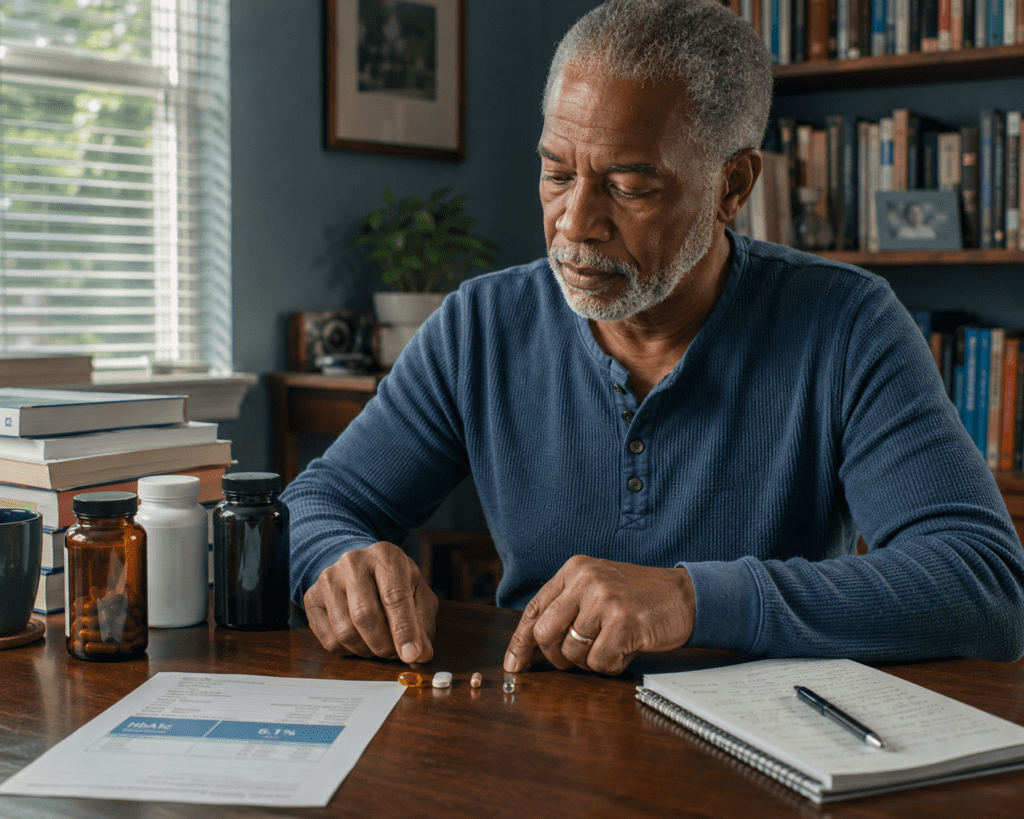
After months of research into this exact mechanism, I kept coming back to one formula that actually addressed the root issue rather than just masking symptoms. It was developed with a clinical approach — the kind that makes sense when you understand the science behind what we just covered. That formula is Purisaki Berberine Patches.
If you’ve tried berberine capsules and dealt with digestive discomfort, Purisaki Berberine Patches offer a smarter solution — a plant-based transdermal patch that delivers berberine directly through the skin, bypassing digestion entirely.
See How Purisaki Berberine Patches Works →*Individual results may vary. Always consult your healthcare provider.
How to Actually Use These Supplements: A Practical Guide
If you’ve been dealing with stubborn HbA1c numbers and wondering whether supplementation is worth trying, the answer depends on doing it strategically. Here’s how to approach this in a way that gives you the best shot at real results.
Step 1: Get your baseline numbers before you start. This sounds obvious, but many people start supplements and then forget to retest in a structured way. HbA1c reflects a three-month window, so plan to retest at 90 days. Also ask your doctor to check your vitamin D and magnesium levels — deficiency testing costs almost nothing and completely changes your supplementation strategy.
Step 2: Prioritize based on your deficiencies. If you’re vitamin D deficient (below 30 ng/mL is common in this population), that’s your first priority alongside whatever primary glycemic support you’re using. If you eat a standard Western diet, magnesium depletion is almost a given — most people don’t get close to the recommended 400mg daily from food alone.
Step 3: Choose delivery methods that actually work for you. This matters more than most people realize. Berberine capsules are effective, but a significant portion of users experience GI side effects — bloating, cramping, loose stools — especially at the doses needed for HbA1c impact (typically 1,000–1,500mg/day). Transdermal delivery, like patch-based systems, bypasses the digestive tract entirely, which solves the absorption and tolerance problem at once. If you’ve tried oral berberine and quit because of stomach issues, this distinction is worth knowing.
Step 4: Pair supplements with consistent meal timing. Berberine in particular works best when taken 20–30 minutes before meals — it primes the AMPK pathway ahead of glucose entry. Magnesium is better absorbed in the evening when cortisol is lower. Small timing adjustments like these compound over three months in ways that matter.
Step 5: Track symptoms, not just numbers. Energy levels, post-meal fatigue, and morning fasting readings often shift before your official HbA1c does. These early signals tell you whether the protocol is working before you wait the full 90 days.
There’s one more thing most guides leave out — and it’s the piece that trips people up most often.
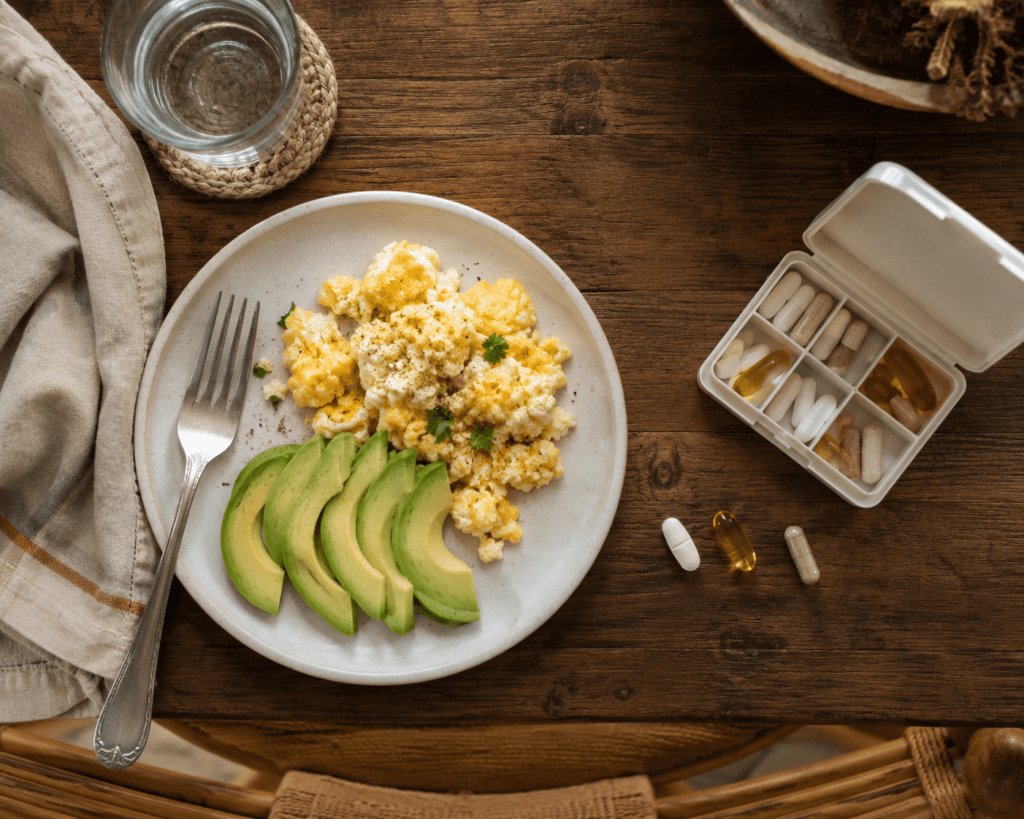
The Myth That’s Keeping People Stuck
Here’s the most common misconception I see: the belief that supplements are an either/or choice against medication, and therefore either dangerous to try or pointless if you’re already on medication.
Neither is accurate. The research on natural supplements for blood sugar consistently shows that many of these compounds work through complementary pathways — not competing ones. Berberine and metformin, for example, both activate AMPK, which means combining them can either enhance effect or allow for a lower dose of medication in some cases. This is always a conversation to have with your prescribing doctor, but it’s a conversation worth having.
The other myth worth busting: that a “natural” label means weak results. The counterintuitive truth is that berberine outperformed placebo in HbA1c reduction across multiple randomized trials by margins that many pharmaceutical compounds haven’t matched in comparable populations. The mechanism isn’t gentle or indirect — it directly targets glucose metabolism at the cellular level. “Natural” and “clinically meaningful” are not mutually exclusive.
What actually keeps people stuck is inconsistency combined with the wrong form of a supplement. They try oral berberine, feel terrible for a week, quit, and conclude it doesn’t work for them. Or they take vitamin D sporadically without ever correcting a deep deficiency. The protocol matters as much as the ingredient.
What to Watch Out For
Not everything marketed for blood sugar support actually has meaningful evidence behind it. A few things to keep in mind as you evaluate options:
- Dose matters enormously. Many supplements sold in grocery stores contain doses far below what was used in trials. Berberine at 200mg is not the same as berberine at 1,500mg — verify that the product you’re considering uses clinically relevant amounts.
- Interaction awareness is real. Berberine can enhance the effect of blood-sugar-lowering medications, which in some cases means hypoglycemia risk. If you’re on insulin or sulfonylureas, talk to your doctor before starting.
- Quality and bioavailability vary. The supplement industry has inconsistent manufacturing standards. Look for products with third-party testing or those that use bioavailability-enhanced forms (like magnesium glycinate over magnesium oxide).
- Time expectations matter. HbA1c won’t change in two weeks. Give any protocol at least 12 weeks before evaluating results — and make sure diet and movement haven’t gotten worse in that window, or you’ll be fighting uphill.
When you approach this with realistic expectations and smart product choices, the data genuinely supports optimism. The ability to help vitamins lower HbA1c levels naturally isn’t wishful thinking — it’s mechanism-based, clinically supported, and accessible.
Conclusion: Putting It All Together
After everything I’ve read, researched, and seen play out in real life, here’s what I know: the question isn’t really “can vitamins lower HbA1c levels?” — because the evidence says yes, unambiguously, for specific compounds at appropriate doses. The better question is whether you’re using the right nutrients, the right forms, and a consistent enough protocol to give them a fair chance.
The people who see results with this approach are the ones who take the time to understand the mechanism, address their actual deficiencies, and choose products that solve the delivery problem rather than just checking a box. The goal is to help vitamins lower HbA1c levels naturally in a way that’s sustainable, measurable, and doesn’t require you to overhaul your entire life overnight.
Start with the nutrients that have the strongest clinical backing. Pay attention to how you respond. Test at 90 days. And if oral supplements have been hard on your digestion in the past, consider whether a transdermal option might remove the barrier that’s been in your way. Sometimes the solution isn’t finding a new compound — it’s finding a smarter way to deliver the one that actually works.

❓ Frequently Asked Questions
How much can berberine lower HbA1c levels?
Clinical trials show berberine can reduce HbA1c by 0.5–1.5% over 3 months, with some studies matching the effect of metformin in type 2 diabetics. The typical studied dose is 500mg taken 2–3 times daily with meals.
Does vitamin D deficiency make HbA1c worse?
Yes — low vitamin D is strongly associated with impaired insulin secretion and higher HbA1c readings, particularly in people with type 2 diabetes. Correcting a deficiency by supplementing to optimal serum levels (40–60 ng/mL) has shown modest but consistent HbA1c reductions in multiple trials.
How long does it take for magnesium supplements to affect blood sugar levels?
Most studies showing HbA1c improvement with magnesium supplementation run 12–16 weeks, since HbA1c reflects a 3-month average of blood glucose. Daily doses of 250–400mg of magnesium glycinate or citrate are the forms most commonly used in positive trials.
Can chromium picolinate lower HbA1c in people who aren’t deficient?
Evidence is mixed — chromium picolinate shows the clearest HbA1c benefit in people with insulin resistance or confirmed deficiency, with less effect in metabolically healthy individuals. Studies using 200–1000mcg daily found reductions ranging from 0.3% to over 1%, depending on baseline glucose control.
What vitamins lower HbA1c levels the fastest?
Berberine tends to produce the most rapid measurable drop, with some trials showing significant changes within 8 weeks. Magnesium and vitamin D work more gradually, typically requiring 12+ weeks to show statistically significant HbA1c changes.
📊 naturalbloodsugartips.com
My honest recommendation after everything I have researched
🩹 The Smarter Way to Take Berberine — Without the Stomach Pain
Purisaki Berberine Patches combine plant-based berberine with other natural ingredients in a convenient daily patch format — no pills, no stomach upset, no guesswork. Just consistent, gentle support throughout the day.
👉 Yes, I Want to Try Purisaki Berberine Patches✓ Official website | ✓ 60-day money-back guarantee | ✓ Free shipping
⚠️ Due to high demand, stock is limited. Check availability before it sells out.
*Results may vary. This is an affiliate link — I only recommend what I have researched for my own family.

About the Author — Sarah
I am not a doctor or nutritionist — I am a daughter who has been caring for my mother since her type 2 diabetes diagnosis. That journey pushed me to research natural alternatives and evidence-based lifestyle changes. Everything I share comes from that personal mission: to help my mom live better, with more energy and less dependence on medication. Always consult your healthcare provider before making any changes to your treatment plan.
⚕️ Medical Disclaimer: I am not a medical professional. This blog reflects my personal research caring for a family member with diabetes. For informational purposes only — not medical advice. Always consult a qualified healthcare provider.
📚 Scientific References
- Yin J, et al. Efficacy of berberine in patients with type 2 diabetes mellitus. Metabolism. 2008;57(5):712–717. PMID: 18442638.
- Barbagallo M, et al. Magnesium in type 2 diabetes mellitus. World J Diabetes. 2015;6(10):1152–1157. PMID: 26322162.
- Pittas AG, et al. The role of vitamin D and calcium in type 2 diabetes. A systematic review and meta-analysis. J Clin Endocrinol Metab. 2007;92(6):2017–2029. PMID: 17389701.
- Xie W, et al. Use of berberine for evidence-based glycemic control with promising therapeutic effects in diabetes and related metabolic diseases. Front Pharmacol. 2022;13:952201. PMID: 36238545.