
Best Supplement for Insulin Sensitivity: 7 Natural Options That Actually Work
⚡ Quick Answer
The best supplement for insulin sensitivity with the strongest clinical evidence is berberine — it activates AMPK pathways and has been compared favorably to metformin. Magnesium glycinate is the second most important because deficiency is extremely common and directly impairs insulin receptor function. For most beginners, starting with magnesium and adding berberine under medical supervision provides the most reliable improvement in insulin sensitivity naturally.
📋 Table of Contents
- Why I Started Looking Into Supplements for Insulin Sensitivity
- Best Supplement for Insulin Sensitivity: How to Choose
- The Top 7 Natural Supplements That Improve Insulin Sensitivity
- How to Use These Supplements Safely
- What Worked Best for My Mom — And What to Watch Out For
- Final Thoughts
- ❓ Frequently Asked Questions
Why I Started Looking Into Supplements for Insulin Sensitivity
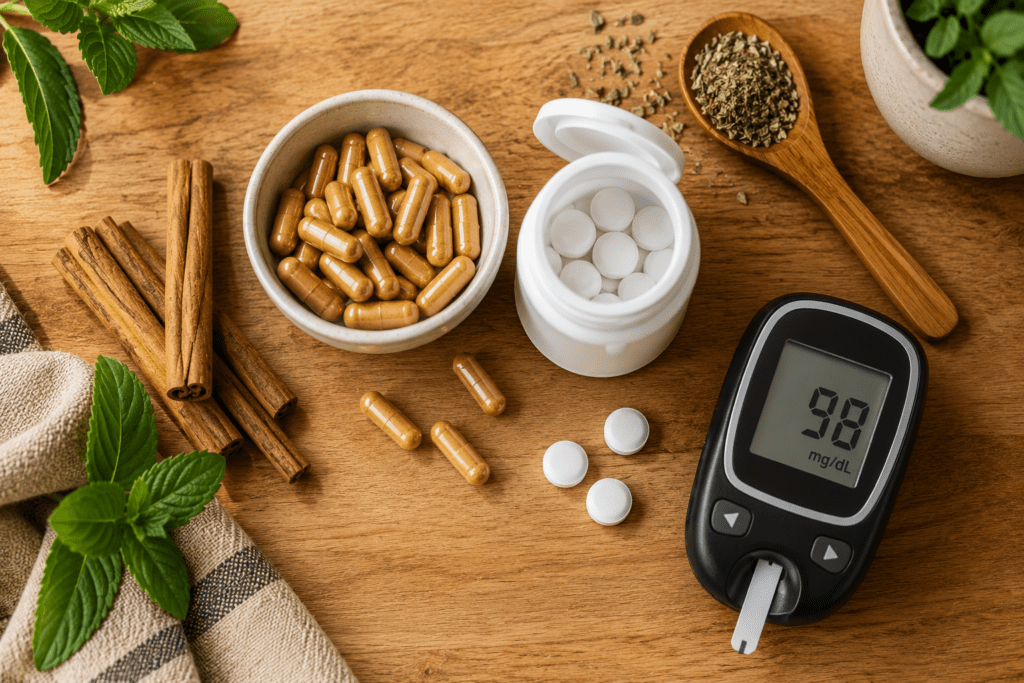
Finding the right supplement for insulin sensitivity was the last thing on my mind three years ago when my mom’s doctor told her that her blood sugar was creeping into a dangerous range. She was already eating reasonably well, walking every morning — and still her body just wasn’t responding to insulin the way it should. That’s when I fell down the research rabbit hole, and what I found genuinely surprised me: natural supplements that improve insulin sensitivity have a growing body of scientific support. This article shares what I learned — and what we actually tried.
I’m not a doctor — I’m a daughter who spent many late nights reading PubMed abstracts so my mom didn’t have to. What I discovered is that certain plant-based compounds, minerals, and herbal extracts can genuinely support the body’s ability to use insulin more effectively. For my mom, adding a few of these carefully and consistently made a real difference in her fasting numbers.
If you or someone you love is dealing with insulin resistance, prediabetes, or type 2 diabetes, you may have already explored dietary changes. But if you haven’t looked into finding the right supplement for insulin sensitivity, that might be a missing piece worth discussing with your healthcare provider.
Best Supplement for Insulin Sensitivity: How to Choose
When searching for the best supplement for insulin sensitivity, the most important thing is matching the supplement to your specific root cause. Insulin resistance can stem from different mechanisms — and different supplements target different pathways:
🎯 Matching the Right Supplement for Insulin Sensitivity to Your Root Cause
| Root Cause | Best Supplement | Mechanism |
|---|---|---|
| Poor glucose metabolism | Berberine | Activates AMPK — the master metabolic switch |
| Mineral deficiency | Magnesium glycinate | Restores insulin receptor function |
| Oxidative stress | Alpha-lipoic acid | Antioxidant + glucose transporter activation |
| Weak insulin signaling | Chromium picolinate | Potentiates insulin receptor binding |
| Post-meal glucose spikes | Cinnamon extract | Mimics insulin, slows gastric emptying |
| Hormonal insulin signaling | Inositol | Secondary messenger in insulin pathways |
| Sugar absorption + cravings | Gymnema sylvestre | Reduces intestinal sugar absorption |
The Top 7 Natural Supplements That Improve Insulin Sensitivity
7 Best Supplements for Insulin Sensitivity
Consult a healthcare provider before starting any supplement regimen, especially with diabetes medication.
📊 naturalbloodsugartips.com
These aren’t random herbs pulled from a wellness blog. Each supplement for insulin sensitivity below has credible research behind it — and several have been studied in clinical trials specifically involving people with type 2 diabetes or insulin resistance.
1. Berberine — The Most Evidence-Backed Supplement for Insulin Sensitivity
Berberine is a compound found in plants like barberry and goldenseal, and it works by activating AMPK — an enzyme that plays a key role in glucose metabolism. Studies have compared it favorably to metformin in some contexts, making it the most researched natural supplement for insulin sensitivity available. My mom tried berberine capsules but had some digestive discomfort — a common complaint. You can read more about berberine for blood sugar control to understand the timeline and dosage.
🌿 No More Stomach Aches — Try Purisaki Berberine Patches
If you’ve tried berberine capsules and dealt with digestive discomfort, Purisaki Berberine Patches offer a smarter solution — a plant-based transdermal patch that delivers berberine directly through the skin, bypassing digestion entirely.
Check Availability Inside the US →2. Magnesium — The Most Overlooked Supplement for Insulin Sensitivity
I was genuinely surprised to learn how many people are low in magnesium, and how closely deficiency is linked to insulin resistance. Magnesium helps insulin receptors function properly, and supplementing — particularly with magnesium glycinate or citrate — supports better glucose uptake at the cellular level. This was one of the first things we added for my mom, and her sleep improved as a bonus.
3. Cinnamon Extract
Ceylon cinnamon contains compounds that may mimic insulin and increase glucose transporter activity. I started adding Ceylon cinnamon to my mom’s morning oatmeal, but a more concentrated extract capsule is available for those who want a measured dose as a daily supplement for insulin sensitivity.
4. Alpha-Lipoic Acid (ALA)
ALA is a powerful antioxidant studied for both insulin sensitivity and diabetic neuropathy. It helps cells take up glucose more efficiently and reduces oxidative stress — often elevated in people with blood sugar issues. One of the most versatile supplements for insulin sensitivity, particularly for people who also have nerve concerns.
- 5. Chromium Picolinate — A trace mineral that enhances insulin action by helping it bind to receptors more effectively. One of the older, better-known supplements for insulin sensitivity. Results vary between individuals, but some studies show meaningful improvements in fasting blood glucose with consistent use at doses of 200–400mcg daily.
- 6. Bitter Melon — Used for centuries in Asian and Ayurvedic medicine, bitter melon contains compounds that act similarly to insulin in the body. Available as capsule or juice. My mom tried the capsule form and while it took about six weeks to notice any shift, her post-meal readings did trend downward.
- 7. Gymnema Sylvestre — Called the “sugar destroyer” — it may reduce sugar absorption in the intestine and support regeneration of insulin-producing cells. Particularly interesting as a supplement for insulin sensitivity for people managing both cravings and blood sugar — my mom noticed it noticeably dulled her sweet tooth within a few weeks.
How to Use These Supplements for Insulin Sensitivity Safely
The most important thing I learned is that more is not always better — and stacking too many supplements at once makes it impossible to know what’s working. When we started, I made the mistake of ordering five things at once. My mom’s doctor suggested we slow down and introduce one supplement for insulin sensitivity at a time over 2–3 weeks, tracking fasting glucose in a simple notebook. That approach changed everything.
If you’re considering exploring natural supplements for prediabetes, the same measured approach applies. Always loop in your healthcare provider — especially if you’re on medications like metformin, sulfonylureas, or insulin — because some of these supplements can have additive blood-sugar-lowering effects.
- Introduce one supplement for insulin sensitivity at a time and track fasting glucose for 2–3 weeks before adding another.
- Choose reputable brands with third-party testing — look for USP, NSF, or ConsumerLab certifications.
- Start at the lowest effective dose and increase only if well-tolerated and under guidance.
- Combine supplements with consistent lifestyle habits — a lower-glycemic diet and regular movement amplify every supplement’s effect.
What Worked Best for My Mom — And What to Watch Out For
After eighteen months of careful trial and tracking, the combination that worked best for my mom was magnesium glycinate at bedtime, berberine via patch after the capsule upset her stomach, and Gymnema Sylvestre in the mornings. Her A1C dropped from 6.1 to 5.7 — not dramatic, but meaningful, and her doctor was pleased. She also lost a few pounds without trying, which her doctor attributed partly to improved insulin function reducing fat storage signals.
A few supplements didn’t work as well for her specifically — bitter melon caused mild digestive upset even in capsule form, and chromium alone didn’t move the needle noticeably. But I know from reading others’ experiences that both work really well for some individuals. Bodies are different, and that’s why the slow, tracked approach matters so much. For a broader view, herbs that improve insulin sensitivity gives an even wider picture beyond the standard supplement aisle.

Final Thoughts on Finding the Best Supplement for Insulin Sensitivity
Watching my mom take back some control over her metabolic health has been one of the most rewarding experiences of my life. The seven natural supplements for insulin sensitivity I’ve shared here aren’t magic pills — but for many people, they offer genuine, evidence-backed support when combined with healthy habits and medical oversight. Whether you’re just noticing blood sugar creeping up or managing type 2 diabetes for years, it’s worth having an honest conversation with your doctor about which supplement for insulin sensitivity might be appropriate for your specific situation.
🩹 The Smarter Way to Take Berberine — Without the Stomach Pain
Purisaki Berberine Patches deliver berberine through the skin in a convenient daily patch format — no pills, no stomach upset, no guesswork. Just consistent, gentle support for insulin sensitivity throughout the day.
👉 Claim Your Supply With Free Shipping Today⚠️ Update: Due to high demand, stock is limited. Check availability now.
*Results may vary. Affiliate link.
❓ Frequently Asked Questions — Supplement for Insulin Sensitivity

About the Author — Sarah
I’m not a doctor or nutritionist — I’m a daughter who has been caring for my mother since her type 2 diabetes diagnosis. That journey pushed me to research natural alternatives and evidence-based lifestyle changes. Everything I share comes from that personal mission: to help my mom live better, with more energy and less dependence on medication. Always consult your healthcare provider before making any changes to your treatment plan.
⚕️ Medical Disclaimer: I am not a medical professional. This blog reflects my personal research caring for a family member with diabetes. For informational purposes only — not medical advice. Always consult a qualified healthcare provider.
📚 Scientific References
- Yin J, Xing H, Ye J. Efficacy of berberine in patients with type 2 diabetes mellitus. Metabolism. 2008;57(5):712-717. PMID: 18442638.
- Guerrero-Romero F, Rodríguez-Morán M. Magnesium improves the beta-cell function to compensate variation of insulin sensitivity. European Journal of Clinical Investigation. 2011;41(4):405-410. PMID: 21241290.
- Ansar H, Mazloom Z, Kazemi F, Hejazi N. Effect of alpha-lipoic acid on blood glucose, insulin resistance and glutathione peroxidase of type 2 diabetic patients. Saudi Medical Journal. 2011;32(6):584-588. PMID: 21678998.
- Shanmugasundaram ER, et al. Use of Gymnema sylvestre leaf extract in the control of blood glucose in insulin-dependent diabetes mellitus. Journal of Ethnopharmacology. 1990;30(3):281-294. PMID: 2259217.