
Low Blood Sugar Symptoms: What They Mean and How to Address Them Naturally
⚡ Quick Answer
Low blood sugar symptoms include shakiness, dizziness, sudden sweating, confusion, irritability, and rapid heartbeat — typically occurring when blood glucose drops below 70 mg/dL. Common causes include skipping meals, excessive exercise, or blood sugar imbalances related to type 2 diabetes. Natural solutions like balanced meals, specific herbs, and lifestyle adjustments can help stabilize levels and reduce how often these episodes occur.
📋 Table of Contents
My Mom’s Wake-Up Call — and Mine
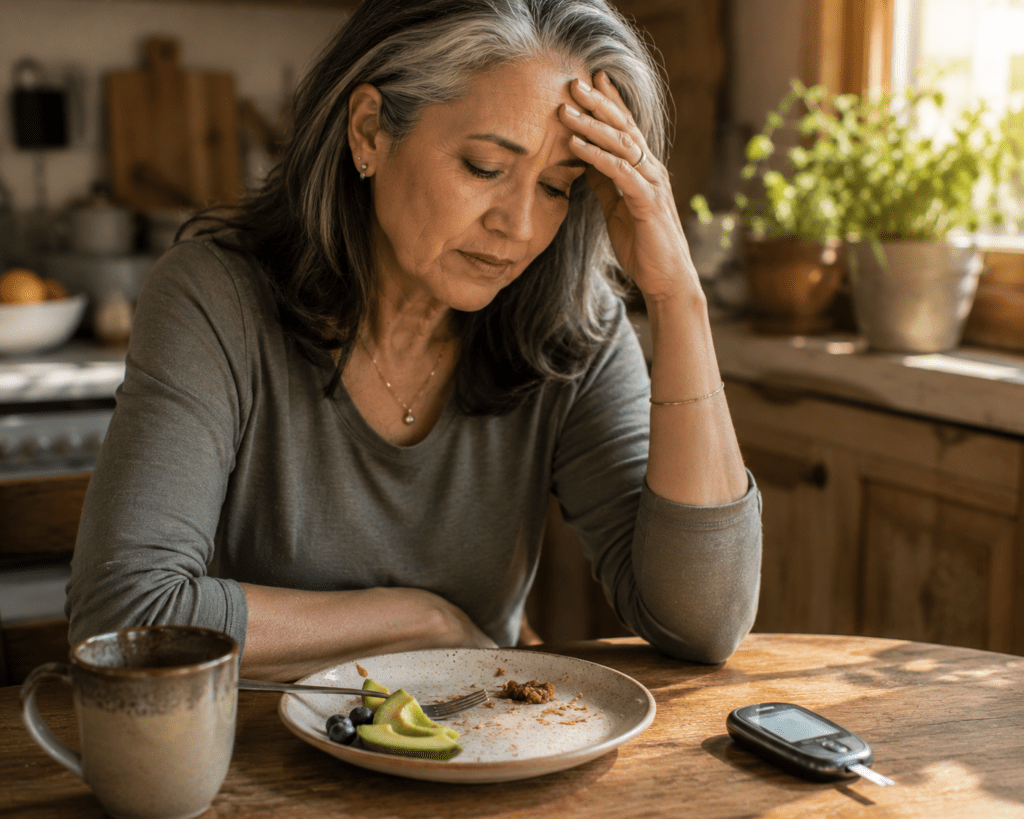
It was a Tuesday afternoon when my mom called me from her kitchen, her voice shaky and strange. She said she felt like the floor was moving, her hands were trembling, and she’d broken into a cold sweat out of nowhere. I drove over immediately, heart pounding the whole way. By the time I arrived, she’d managed to eat a few crackers and was starting to feel better — but we were both scared. Her doctor later confirmed what had happened: her blood sugar had dropped too low. That afternoon changed how I approached everything about her health. I threw myself into research, talking to nutritionists, reading studies, and quietly experimenting alongside her. What I found surprised me, encouraged me, and ultimately gave us both a path forward that felt sustainable and grounded in real wellness — not just quick fixes. If you’ve found yourself or someone you love dealing with these episodes, I want to share everything I’ve learned.
Recognizing Low Blood Sugar Symptoms Early
Common Low Blood Sugar Symptoms to Know
Symptoms vary by individual. Consult a healthcare provider for proper diagnosis and treatment.
📊 naturalbloodsugartips.com
The hardest part of managing my mom’s condition in those early days was that neither of us knew what we were looking for. Low blood sugar symptoms can sneak up quietly, disguising themselves as everyday tiredness or stress. That’s what makes them so easy to overlook — until they escalate. Once I learned to recognize the early warning signs, everything changed. We went from reactive to proactive, and that shift made an enormous difference in her quality of life. If you’re caring for someone with type 2 diabetes, or managing your own blood sugar, learning to spot these signals early is genuinely one of the most valuable things you can do. I also discovered a really helpful resource on signs your blood sugar is dropping — especially at night, which is when many people don’t realize it’s happening at all.
Blood sugar is considered low when it falls below 70 mg/dL, though some people feel symptoms at slightly higher levels depending on what their body is used to. The medical term is hypoglycemia, and while it’s more commonly associated with people on insulin or certain diabetes medications, it can affect anyone whose diet or lifestyle creates significant glucose swings throughout the day.
What Actually Causes Blood Sugar to Drop?
When I started digging into causes, I was honestly surprised by how many everyday habits contribute to low blood sugar episodes. It’s not just about medication dosage — there are lifestyle patterns most of us don’t think twice about that can quietly send glucose crashing. Here’s what I found to be the most common triggers:
- Skipping or delaying meals — When the body goes too long without fuel, especially after a long gap since the last meal, blood glucose can dip significantly.
- Eating high-sugar, low-fiber foods — These cause a rapid spike followed by an equally fast crash, leaving the body scrambling to stabilize.
- Intense or prolonged exercise — Physical activity draws down glucose quickly, and without proper fueling before and after, a drop is almost inevitable.
- Alcohol consumption — Drinking, especially without food, can interfere with the liver’s ability to release stored glucose into the bloodstream.
- Stress and poor sleep — These affect cortisol and insulin sensitivity in ways that can destabilize blood sugar throughout the day and night.
Once my mom and I identified which of these were showing up in her daily routine, we could start making targeted changes. It wasn’t about overhauling her life overnight — it was about understanding the rhythm of her body and working with it, not against it. One area I focused on heavily was learning how to prevent blood sugar crashes after eating, because meals were often the biggest trigger for her afternoon slumps.
⚡ Balance Your Blood Sugar with Sugar Defender
Thousands of people are combining these habits with Sugar Defender — a plant-based liquid formula designed to support healthy blood sugar levels and natural energy, without stimulants.
Check Availability Inside the US →Common Low Blood Sugar Symptoms You Shouldn’t Ignore
After spending months paying close attention to my mom’s patterns, here’s what I now recognize as the most telling low blood sugar symptoms. Some are physical, some are mental, and a few caught me completely off guard the first time I saw them. Knowing this list — really knowing it — could help you or someone you love respond faster:
- Shakiness or trembling hands — Often the first physical signal, especially noticeable in the fingers or legs.
- Sudden sweating without physical activity — A cold, clammy sweat that appears out of nowhere is a classic warning sign.
- Dizziness or lightheadedness — The brain depends on glucose to function; when levels drop, it sends distress signals fast.
- Irritability or mood swings — My mom would become uncharacteristically snappy before she even realized something was off. This one is easy to misread as stress.
- Difficulty concentrating or brain fog — Mental cloudiness and inability to follow a conversation were telling signs for us.
- Rapid heartbeat or palpitations — The body’s adrenaline response to falling glucose can cause a noticeably fast or pounding heart.
- Extreme hunger or nausea — A sudden, urgent need to eat — especially for something sweet — is the body signaling for glucose.
- Pale skin — Reduced blood flow to the skin’s surface is a visible indicator that something is off metabolically.
If you’re noticing a cluster of these symptoms — particularly brain fog alongside mood changes and shakiness — that combination is worth taking seriously. I found a great deep-dive into natural remedies for low blood sugar brain fog that helped us understand the neurological side of what was happening and how to address it without reaching for caffeine or sugar every time.

Natural Solutions That Have Made a Real Difference for Us
I want to be honest here: I’m not a doctor, and nothing I share is meant to replace medical advice. But I am someone who has spent years researching, testing, and living alongside this challenge with my mother — and I’ve seen firsthand that natural strategies, when applied consistently, can make a meaningful impact on how often low blood sugar symptoms occur and how severe they feel. Here’s what has genuinely worked for us:
- Eating balanced meals every 3–4 hours — Consistent, protein-rich meals with healthy fats and fiber help keep glucose stable throughout the day rather than riding a rollercoaster.
- Incorporating cinnamon and berberine — Both have been studied for their ability to support insulin sensitivity. We added Ceylon cinnamon to her morning oatmeal and spoke with her doctor about a low-dose berberine supplement.
- Magnesium-rich foods — Leafy greens, pumpkin seeds, and almonds became staples. Magnesium plays a key role in glucose metabolism and is commonly depleted in people managing diabetes.
- Apple cider vinegar before meals — A small amount diluted in water before eating has been shown in several studies to blunt post-meal glucose spikes, which helps avoid subsequent crashes.
- Light movement after meals — Even a 10-minute walk after eating helped my mom’s numbers stay far more stable than sitting still for an hour post-meal.
- Prioritizing quality sleep — When my mom’s sleep improved, her glucose variability visibly decreased. Sleep affects everything — cortisol, insulin, hunger hormones — and it’s often the most underrated factor in blood sugar management.
Beyond these lifestyle shifts, we also started exploring plant-based supplements designed specifically for blood sugar support. After trying a few, we found that liquid formulas tended to absorb more efficiently than capsules — and when we came across Sugar Defender, its ingredient transparency and the number of real user stories we found online made it feel worth exploring seriously. It’s become part of my mom’s morning routine, and I’ve noticed she has far more consistent energy and fewer of those scary afternoon episodes that used to define her days.

Putting It All Together
Managing blood sugar naturally isn’t about perfection — it’s about building a foundation that supports your body’s ability to stay balanced. Understanding low blood sugar symptoms, knowing what triggers them, and having a toolkit of natural strategies means you’re not just reacting to crises; you’re actively preventing them. My mom is living proof that the combination of dietary awareness, targeted supplementation, and consistent lifestyle habits can shift the day-to-day experience of living with type 2 diabetes from one of fear and unpredictability to one of confidence and steady energy. If her story resonates with you, I hope you’ll start with the small steps I’ve shared here — and consider exploring the tools that have genuinely helped us along the way.
❓ Frequently Asked Questions
How quickly do low blood sugar symptoms appear after skipping a meal?
Symptoms can begin within 3–5 hours after skipping a meal, especially if your baseline glucose levels are already unstable. People with blood sugar imbalances or insulin resistance may notice shakiness and irritability even faster than that.
Can low blood sugar symptoms happen even if you don’t have diabetes?
Yes — non-diabetic hypoglycemia can occur due to reactive hypoglycemia, prolonged fasting, intense exercise, or hormonal imbalances. It’s more common than most people realize and is often mistaken for anxiety or stress.
What’s the difference between low blood sugar symptoms and anxiety symptoms?
Both share shakiness, rapid heartbeat, and sweating, but low blood sugar also causes sudden intense hunger, confusion, and relief after eating — anxiety typically does not resolve that quickly with food. Checking glucose with a home monitor is the most reliable way to tell them apart.
Which herbs or natural supplements actually help stabilize blood sugar levels?
Berberine, cinnamon, and ashwagandha have the strongest research backing for supporting stable glucose levels and reducing the frequency of blood sugar swings. Magnesium deficiency is also strongly linked to poor blood sugar regulation and is worth addressing through diet or supplementation.
Why does low blood sugar often feel worse in the morning before breakfast?
Overnight fasting depletes liver glycogen stores, and if your body doesn’t regulate glucose release efficiently during sleep, you wake up with already-low blood sugar. This is especially pronounced in people who eat dinner early or have adrenal function issues that affect cortisol’s glucose-regulating role.
📊 naturalbloodsugartips.com
🩸 Support Healthy Blood Sugar with Sugar Defender
Sugar Defender combines 8 carefully selected plant-based ingredients to support glucose metabolism, reduce cravings, and boost energy naturally. FTC-compliant, made in a GMP-certified facility.
👉 Claim Your Supply With Free Shipping Today⚠️ Update: Due to high demand, stock is limited. Check availability now.
*Results may vary. Affiliate link.

About the Author — Sarah
I’m not a doctor or nutritionist — I’m a daughter who has been caring for my mother since her type 2 diabetes diagnosis. That journey pushed me to research natural alternatives and evidence-based lifestyle changes. Everything I share comes from that personal mission: to help my mom live better, with more energy and less dependence on medication. Always consult your healthcare provider before making any changes to your treatment plan.
⚕️ Medical Disclaimer: I am not a medical professional. This blog reflects my personal research caring for a family member with diabetes. For informational purposes only — not medical advice. Always consult a qualified healthcare provider.
📚 Scientific References
- Cryer PE, Davis SN, Shamoon H. Hypoglycemia in diabetes. Diabetes Care. 2003;26(6):1902-1912. PMID: 12766131.
- Krentz AJ, Ferner RE, Bailey CJ. Comparative tolerability profiles of oral antidiabetic agents. Drug Safety. 1994;11(4):223-241. PMID: 7848483.
- Anderson RA, Broadhurst CL, Polansky MM, et al. Isolation and characterization of polyphenol type-A polymers from cinnamon with insulin-like biological activity. Journal of Agricultural and Food Chemistry. 2004;52(1):65-70. PMID: 14709014.
- Johnston CS, Kim CM, Buller AJ. Vinegar improves insulin sensitivity to a high-carbohydrate meal in subjects with insulin resistance or type 2 diabetes. Diabetes Care. 2004;27(1):281-282. PMID: 14694010.