
Natural Blood Sugar Keto Diet: What Actually Worked for My Mom (and What Didn’t)
⚡ Quick Answer
A natural blood sugar keto diet works by drastically reducing carbohydrate intake, which lowers the demand for insulin and helps stabilize glucose levels throughout the day. Pairing low-carb eating with evidence-backed supplements like berberine, magnesium, and chromium can amplify results. Consistency, meal timing, and targeted food choices are the most effective natural tools for managing blood sugar on keto.
📋 Table of Contents
- How This All Started — My Mom’s Diagnosis
- Why the Blood Sugar Keto Diet Approach Actually Makes Sense
- Best Foods for Natural Blood Sugar Keto Diet Success
- Natural Supplements That Support Blood Sugar on Keto
- Daily Habits That Made the Biggest Difference
- Final Thoughts: What We’d Do Again
- Frequently Asked Questions
How This All Started — My Mom’s Diagnosis
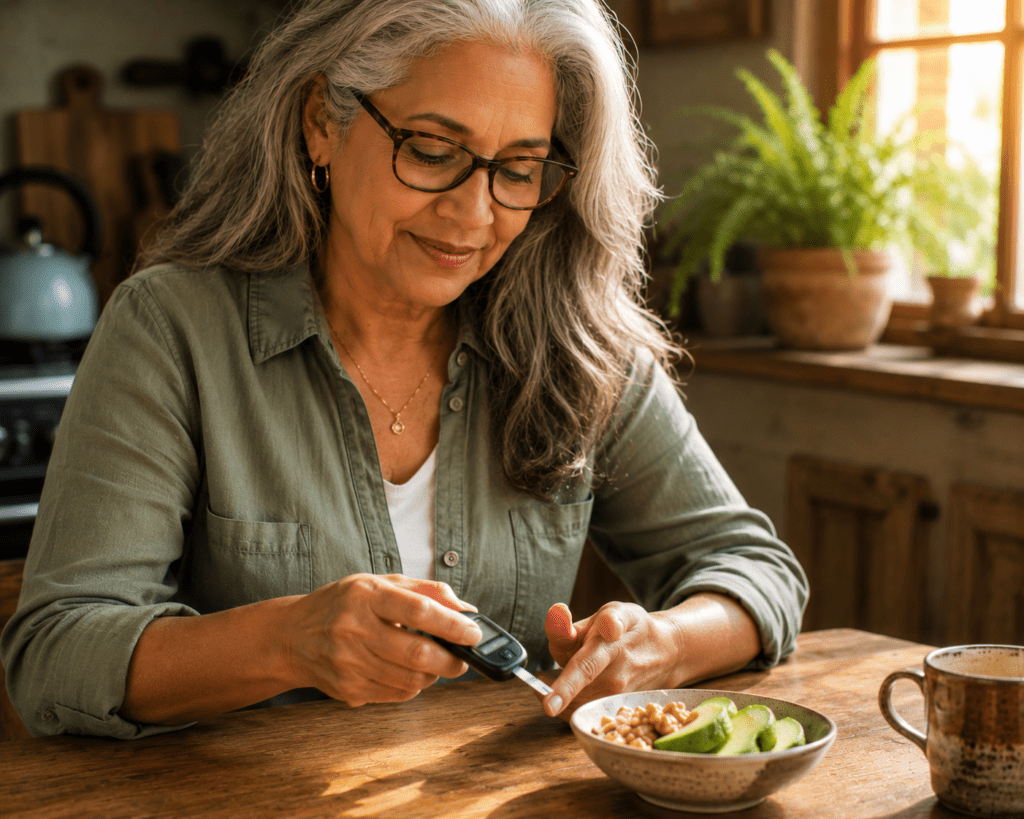
I still remember sitting at the kitchen table with my mom the afternoon her doctor called to confirm her type 2 diabetes diagnosis. She was 61, otherwise healthy, and completely blindsided. Her fasting blood sugar had been creeping up for years, and nobody had made it feel urgent — until suddenly it was. That phone call changed everything for our family, and it’s what sent me on a years-long deep dive into managing the blood sugar keto diet approach naturally, without jumping straight to medication.
I want to be upfront: I’m not a doctor. I’m a daughter who was terrified of watching her mother go down a path of increasing medications, complications, and a diminished quality of life. So I researched obsessively. I read studies, joined online communities, consulted with nutritionists, and spent a lot of trial and error figuring out what actually moved the needle for my mom. This blog is me sharing everything I’ve learned — the wins, the frustrations, and the things I genuinely wish someone had told us in the beginning.
If you’re in a similar place — either managing your own blood sugar or helping a loved one — I hope this saves you some of the time and anxiety we went through. The approach that worked best for us was a combination of a natural blood sugar keto diet plan, specific whole foods, targeted supplements, and consistent daily habits. Let me walk you through each one.
Why the Blood Sugar Keto Diet Approach Actually Makes Sense
The first time I heard about using a blood sugar keto diet for type 2 diabetes management, I was skeptical. Eating fat to lower blood sugar? It felt counterintuitive. But once I understood the mechanism, it clicked immediately. When you restrict carbohydrates to under 50 grams a day — which is the foundation of ketogenic eating — your body simply has less glucose to manage. There’s no blood sugar spike if there’s no sugar coming in. Your pancreas isn’t being asked to pump out constant waves of insulin. The whole system gets a chance to rest and recalibrate.
What really convinced me was reading about how insulin resistance — the core problem in type 2 diabetes — can actually improve on a low-carb diet. When your cells aren’t being flooded with insulin all day, they start responding to it again. Over weeks and months, my mom’s fasting readings dropped noticeably. Her doctor was genuinely surprised at her three-month follow-up. We were following a structured keto meal plan for blood sugar that we’d put together based on her specific numbers and food preferences, and the consistency made a real difference.
I also discovered that keto doesn’t mean eating unlimited bacon and cheese. The quality of your fat and protein sources matters enormously when you’re trying to manage blood sugar naturally. Highly processed meats, seed oils, and inflammatory foods can still cause problems even if your carb count is technically low. We learned to focus on whole, clean sources of fat and protein alongside low-glycemic vegetables — and that’s when things really shifted for us.

Best Foods for Natural Blood Sugar Keto Diet Success
Once we committed to the blood sugar keto diet framework, I spent weeks figuring out exactly which foods gave us the most metabolic bang for our buck. Some were obvious, some genuinely surprised me. The goal was always to manage blood sugar keto diet naturally — meaning no processed “keto” packaged products, no artificial sweeteners that could trigger insulin responses, and no foods that technically fit macros but still caused my mom’s readings to spike. If you’re looking for a solid foundational list of foods that stabilize blood sugar, these are the ones we kept coming back to.
- Leafy greens (spinach, kale, arugula): Extremely low in digestible carbs, high in magnesium, and incredibly filling when cooked in olive oil or butter. My mom has these at almost every meal now.
- Avocado: Rich in monounsaturated fats and potassium, avocados help slow glucose absorption and provide long-lasting satiety without any blood sugar impact.
- Eggs: A near-perfect food for blood sugar stability — zero carbs, high protein, and healthy fats that keep post-meal readings flat.
- Fatty fish (salmon, sardines, mackerel): Omega-3 fatty acids help reduce inflammation, which is closely tied to insulin resistance. We tried to include these at least three times per week.
- Nuts and seeds (almonds, walnuts, chia seeds): Great snack options that provide fiber, magnesium, and healthy fats without spiking glucose. We watched portions carefully — a small handful, not a bowlful.
- Apple cider vinegar: This one sounds like folk medicine, but there’s actually decent research behind it. Taking a tablespoon diluted in water before meals seemed to soften my mom’s post-meal spikes noticeably.
⚡ Try Gluco6 — The GLUT-4 Blood Sugar Formula
Many people are switching to Gluco6 — created by Dr. Molly Leavitt and built around Sukre, an ingredient that targets the GLUT-4 transport system to move glucose from your bloodstream into your cells more efficiently.
Check Availability Inside the US →Natural Supplements That Support Blood Sugar on Keto
Diet is the foundation, but I quickly realized that targeted natural supplements could meaningfully accelerate results when used alongside a blood sugar keto diet approach. I was cautious here — I didn’t want to load my mom up with a dozen bottles of pills with no evidence behind them. So I focused on the ones with the strongest research support and the clearest mechanisms of action.
- Berberine: This plant compound has been studied extensively for its ability to activate AMPK — essentially mimicking some of the effects of exercise at a cellular level. Several studies have compared its effectiveness favorably to metformin. It was a game-changer for us.
- Magnesium glycinate: Most people with type 2 diabetes are deficient in magnesium, and magnesium plays a direct role in insulin signaling. My mom started sleeping better and her fasting numbers improved within a few weeks of adding this.
- Chromium picolinate: Chromium enhances the action of insulin and helps the body use glucose more efficiently. It’s inexpensive and well-tolerated, and we noticed it helped reduce cravings for carbs too.
- Alpha-lipoic acid (ALA): A powerful antioxidant that supports glucose uptake and has been studied for reducing oxidative stress in people with diabetes.
- Ceylon cinnamon: Not the common cassia variety you find at grocery stores, but true Ceylon cinnamon, which has a gentler effect on the liver and meaningful research behind its blood sugar-modulating properties.
After months of trying individual supplements, I became really interested in formulas that combined these evidence-backed ingredients in the right doses. That’s when I started looking into Gluco6, which stood out because of its focus on the GLUT-4 glucose transport pathway — essentially improving how efficiently your cells actually absorb glucose from the bloodstream. For anyone looking to manage blood sugar keto diet naturally with a complete supplement approach, it’s worth a serious look. We also found that working to lower HbA1c naturally with diet became significantly more achievable once we had the right supplement support in place alongside clean eating.

Daily Habits That Made the Biggest Difference
The food and supplements matter enormously, but I was genuinely surprised by how much lifestyle habits moved the needle for my mom’s blood sugar. Some of these were free, required zero products, and produced results within days. Here are the non-negotiables that became part of our daily routine:
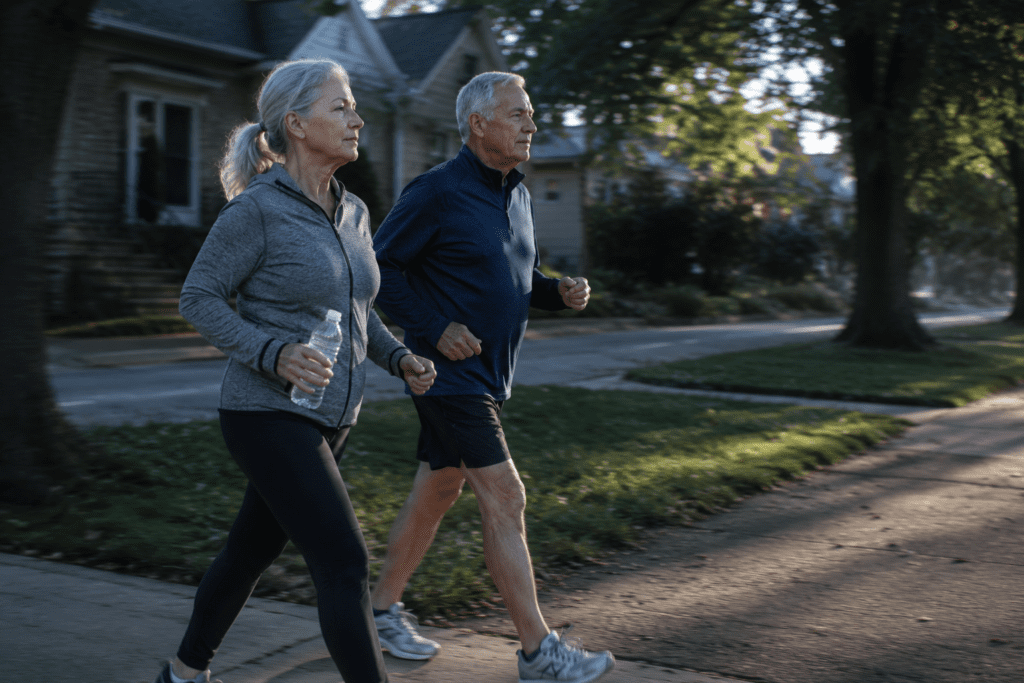
- A 10-minute walk after every meal: I cannot overstate how effective this simple habit was. Post-meal walking uses up circulating glucose in the muscles before it can spike in the bloodstream. It became our evening ritual and the readings showed it clearly.
- Consistent sleep schedule: Poor sleep raises cortisol, which raises blood sugar — it’s a direct relationship. Getting my mom to a consistent 7.5-hour sleep schedule required some adjustments, but the metabolic improvements were real and measurable.
- Eating in a 10-hour window: We didn’t go full intermittent fasting, but eating within a 10-hour window gave her body more time to process glucose overnight and kept fasting readings lower in the mornings.
- Stress management: Emotional stress spikes cortisol and blood sugar just as food does. We incorporated short breathing exercises and daily light stretching, which made a noticeable difference over time.
- Hydration with electrolytes: On keto, your kidneys excrete more sodium, and dehydration can concentrate blood glucose. My mom drinks water with a small amount of electrolyte powder throughout the day, and it helps keep her energy and readings steady.
Final Thoughts: What We’d Do Again
Looking back on the past two years, I am so glad we committed to the natural blood sugar keto diet path before jumping straight to a lifetime of medications. That’s not to say medication is wrong — for some people it’s absolutely necessary and lifesaving. But for my mom, the combination of clean ketogenic eating, the right foods, targeted supplementation, and consistent daily habits created a foundation of metabolic health that her doctor has repeatedly called “remarkable.”
If I had to distill everything into the most important starting point, it would be this: manage blood sugar keto diet naturally by first eliminating the dietary drivers of glucose spikes, then build from there with the right supplements and lifestyle habits. Don’t try to change everything at once — pick one thing, do it consistently for two weeks, and watch what happens to your numbers. The results will motivate you more than any article can.
And if you’re looking for a supplement that targets glucose metabolism at a cellular level, I genuinely encourage you to look into Gluco6. It was the addition that seemed to pull everything else together for us. The science behind the GLUT-4 pathway is compelling, and after seeing how it worked alongside our natural approach, it felt less like a supplement and more like the missing piece we’d been searching for. You deserve to feel confident about what you’re putting into your body — and this one earned our trust.
Frequently Asked Questions
❓ Frequently Asked Questions
Is keto safe for people with type 2 diabetes?
For many people with type 2 diabetes, a well-formulated ketogenic diet can be safe and even beneficial under medical supervision, as it directly reduces the glucose load the body needs to manage. However, anyone on insulin or sulfonylurea medications must work closely with their doctor, since rapidly lowering blood sugar through diet can require medication adjustments to avoid hypoglycemia.
How quickly does blood sugar improve on a keto diet?
Many people notice lower fasting glucose readings within the first few days of significantly reducing carbohydrates, since less dietary glucose enters the bloodstream. More substantial improvements in insulin sensitivity and HbA1c typically develop over 4 to 12 weeks of consistent low-carb eating combined with other healthy habits.
What natural supplements work best alongside a keto diet for blood sugar?
Berberine, magnesium glycinate, chromium picolinate, alpha-lipoic acid, and Ceylon cinnamon all have research supporting their role in glucose metabolism and insulin sensitivity. These work well alongside a low-carb diet because they target the same metabolic pathways that keto eating supports.
Can you reverse insulin resistance naturally with diet alone?
Significant improvements in insulin resistance are possible through diet alone, particularly by reducing carbohydrate intake, increasing physical activity, and prioritizing whole foods. While “reversal” varies by individual and duration of diabetes, many people see meaningful improvements in insulin sensitivity within 2 to 3 months of consistent low-carb eating.
What foods should be avoided on a blood sugar keto diet?
Avoid grains, sugar, most fruits, starchy vegetables like potatoes, and processed “keto” snacks that often contain hidden carbs or artificial sweeteners that can still trigger an insulin response in some people. Focus instead on whole, unprocessed sources of fat, protein, and low-carb vegetables.
📊 naturalbloodsugartips.com
🔬 See Why Gluco6’s Sukre Ingredient Is Different
Gluco6 is a daily blood sugar capsule with a unique mechanism most supplements completely overlook. Manufactured by Good Mix Naturals in Colorado, sold exclusively through the official site with a ClickBank-backed money-back guarantee.
👉 Claim Your Supply With Free Shipping Today⚠️ Update: Due to high demand, stock is limited. Check availability now.
*Results may vary. Affiliate link.

About the Author — Sarah
I’m not a doctor or nutritionist — I’m a daughter who has been caring for my mother since her type 2 diabetes diagnosis. That journey pushed me to research natural alternatives and evidence-based lifestyle changes. Everything I share comes from that personal mission: to help my mom live better, with more energy and less dependence on medication. Always consult your healthcare provider before making any changes to your treatment plan.
⚕️ Medical Disclaimer: I am not a medical professional. This blog reflects my personal research caring for a family member with diabetes. For informational purposes only — not medical advice. Always consult a qualified healthcare provider.
📚 Scientific References
- Westman EC, Yancy WS Jr, Mavropoulos JC, Marquart M, McDuffie JR. The effect of a low-carbohydrate, ketogenic diet versus a low-glycemic index diet on glycemic control in type 2 diabetes mellitus. Nutrition & Metabolism. 2008;5:36. PMID: 19099589.
- Yin J, Xing H, Ye J. Efficacy of berberine in patients with type 2 diabetes mellitus. Metabolism. 2008;57(5):712-717. PMID: 18442638.
- Guerrero-Romero F, Tamez-Perez HE, González-González G, et al. Oral magnesium supplementation improves insulin sensitivity in non-diabetic subjects with insulin resistance. A double-blind placebo-controlled randomized trial. Diabetes & Metabolism. 2004;30(3):253-258. PMID: 15223977.
- Boden G, Sargrad K, Homko C, Mozzoli M, Stein TP. Effect of a low-carbohydrate diet on appetite, blood glucose levels, and insulin resistance in obese patients with type 2 diabetes. Annals of Internal Medicine. 2005;142(6):403-411. PMID: 15767618.