
What to Eat When Blood Sugar Is Low: Fast & Safe Options
⚡ Quick Answer
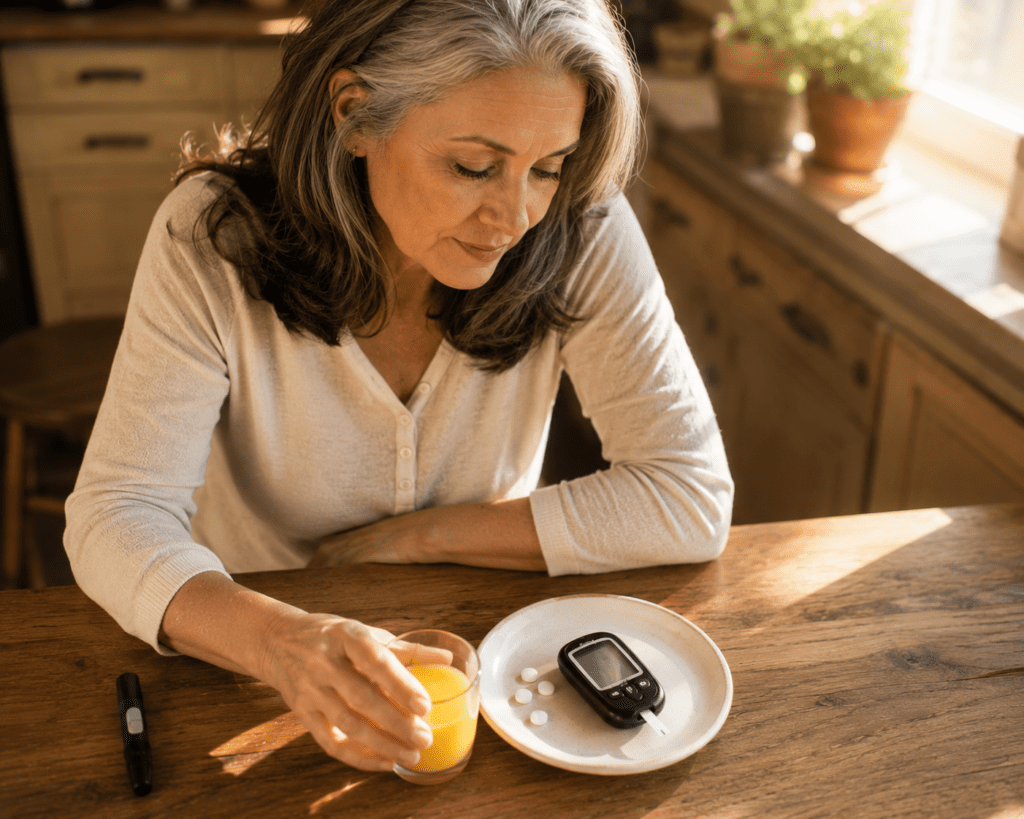
When blood sugar is low, eat 15–20 grams of fast-acting carbohydrates immediately — such as 4 glucose tablets, 4 ounces of fruit juice, or a tablespoon of honey. Follow up within 15–20 minutes with a small snack combining protein and complex carbs, like peanut butter on whole grain crackers, to stabilize your levels and prevent another drop.
📋 Table of Contents
- How I Learned About Low Blood Sugar the Hard Way
- What to Eat When Blood Sugar Is Low: The 15-15 Rule Explained
- Best Foods to Eat When Blood Sugar Drops Fast
- What to Eat When Blood Sugar Is Low Naturally for Lasting Stability
- How We Built a Daily Routine to Prevent the Crashes
- ❓ Frequently Asked Questions
How I Learned About Low Blood Sugar the Hard Way
It was a Tuesday afternoon when I walked into the kitchen and found my mom gripping the counter, pale as a sheet, saying she felt dizzy and confused. Her hands were shaking, and she couldn’t quite finish her sentences. I panicked. I had no idea at the time that knowing what to eat when blood sugar is low could be the difference between a scary episode and a quick, calm recovery. That day changed everything about how I approached her diabetes management.
My mom was diagnosed with type 2 diabetes about four years ago, and while I’ve always tried to support her with natural solutions, I’ll be honest — I hadn’t done enough homework on hypoglycemia. I always assumed low blood sugar was “less dangerous” than high. I was wrong. After that Tuesday, I went deep into research, talked to other caregivers in online forums, and slowly built a system that actually worked for her. I want to share everything I learned with you today, because if you’re managing someone’s diabetes — or your own — this information genuinely matters.
Understanding the low blood sugar symptoms and causes was my first step toward feeling less helpless and more prepared. Once I understood the “why,” figuring out the “what to eat” part became so much clearer and less overwhelming.
What to Eat When Blood Sugar Is Low: The 15-15 Rule Explained
Best Foods to Eat When Blood Sugar Drops
Follow the 15-15 rule: consume 15g of fast-acting carbs, wait 15 minutes, then recheck blood sugar.
📊 naturalbloodsugartips.com
One of the first practical frameworks I discovered was something called the “15-15 rule,” and it became our go-to protocol almost overnight. The idea is simple: when blood sugar drops below 70 mg/dL, you eat or drink 15 grams of fast-acting carbohydrates, wait 15 minutes, and then check levels again. If they’re still low, you repeat. I was surprised by how effective this basic approach was — and how important it is to choose the right foods for that initial 15 grams.
Knowing exactly what to eat when blood sugar is low in those first critical minutes can prevent a mild episode from turning into something serious. The goal in that window is speed — you need glucose entering the bloodstream quickly, not slowly. That means fat and fiber are actually your enemies in this moment, because they slow digestion. You want pure, fast carbohydrates with minimal interference.
Here are the fastest options I keep stocked in our home at all times:
- Glucose tablets (4 tablets = ~15g carbs) — These are specifically designed for this purpose and are my top recommendation because the dosage is precise and they work within minutes.
- 4 oz (half a cup) of fruit juice — Orange juice or apple juice work well. Avoid juice blends with added protein or fat.
- Regular soda (not diet) — About 4 oz of a regular cola or ginger ale provides the fast sugar hit needed. Diet sodas have zero effect here.
- 1 tablespoon of honey or maple syrup — A natural option that raises glucose levels quickly and is easy to keep in the kitchen.
- Hard candies or gummies — Check the label for about 15g of sugar. Skittles or similar candies work in a pinch (roughly 15 pieces).

Best Foods to Eat When Blood Sugar Drops Fast
Once that initial rescue snack has done its job and my mom’s levels have come back up to a safer range, the next step is critical — and this is where a lot of people get tripped up. You can’t just stop at the fast carbs. Without a follow-up snack, blood sugar often crashes again within an hour or two. I learned this the hard way after a few repeat episodes early on. You want to know what to eat when blood sugar is low naturally as a follow-up to prevent the rebound drop.
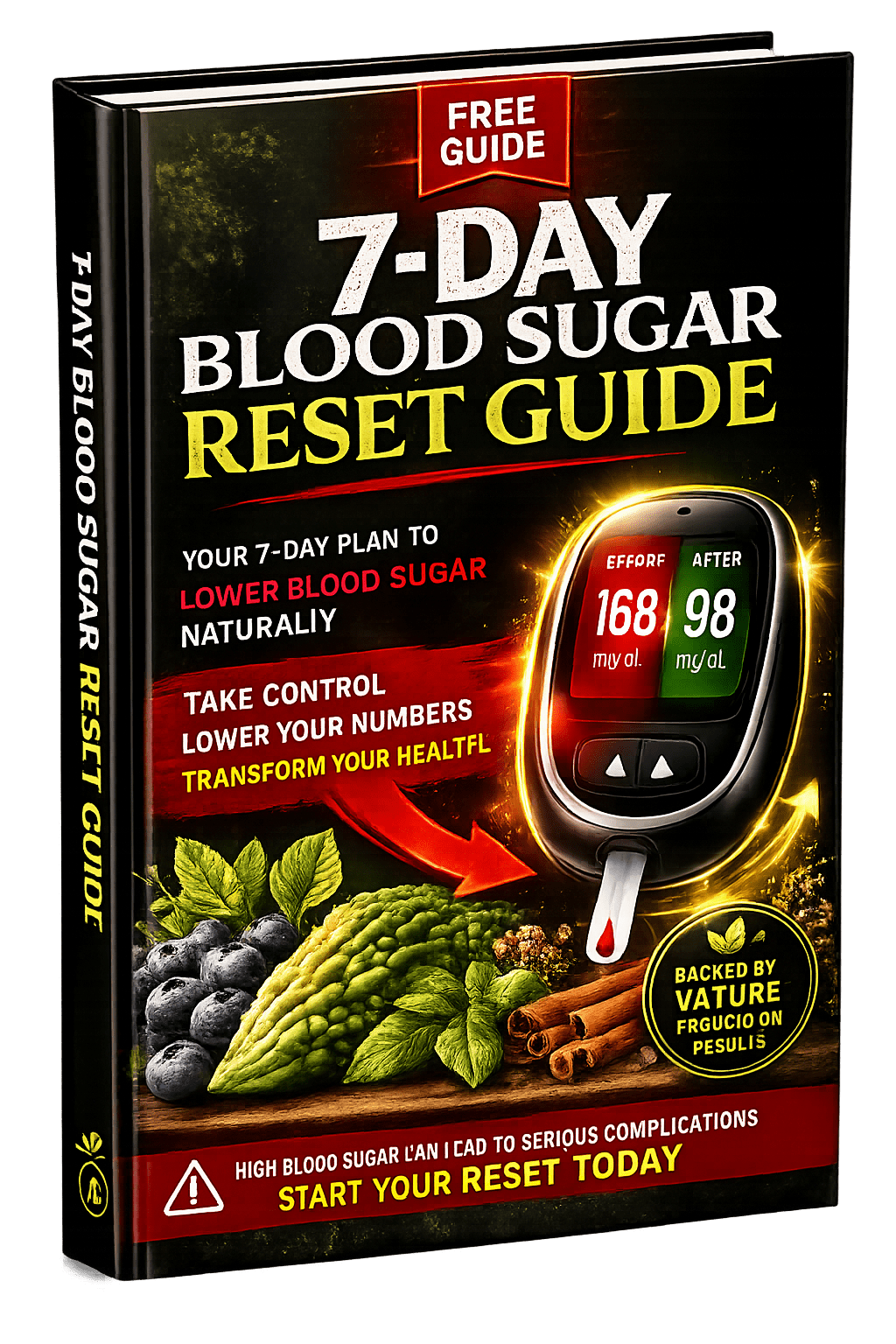
⚡ Try Gluco6 — The GLUT-4 Blood Sugar Formula
Many people are switching to Gluco6 — created by Dr. Molly Leavitt and built around Sukre, an ingredient that targets the GLUT-4 transport system to move glucose from your bloodstream into your cells more efficiently.
Check Availability Inside the US →The follow-up snack is about sustainability. It should combine a moderate amount of complex carbohydrates with protein and a small amount of healthy fat. This trio slows digestion just enough to keep glucose levels steady without spiking them too high. Think of it as the “landing gear” after the emergency fuel.
Some of our favorite stabilizing follow-up snacks include:
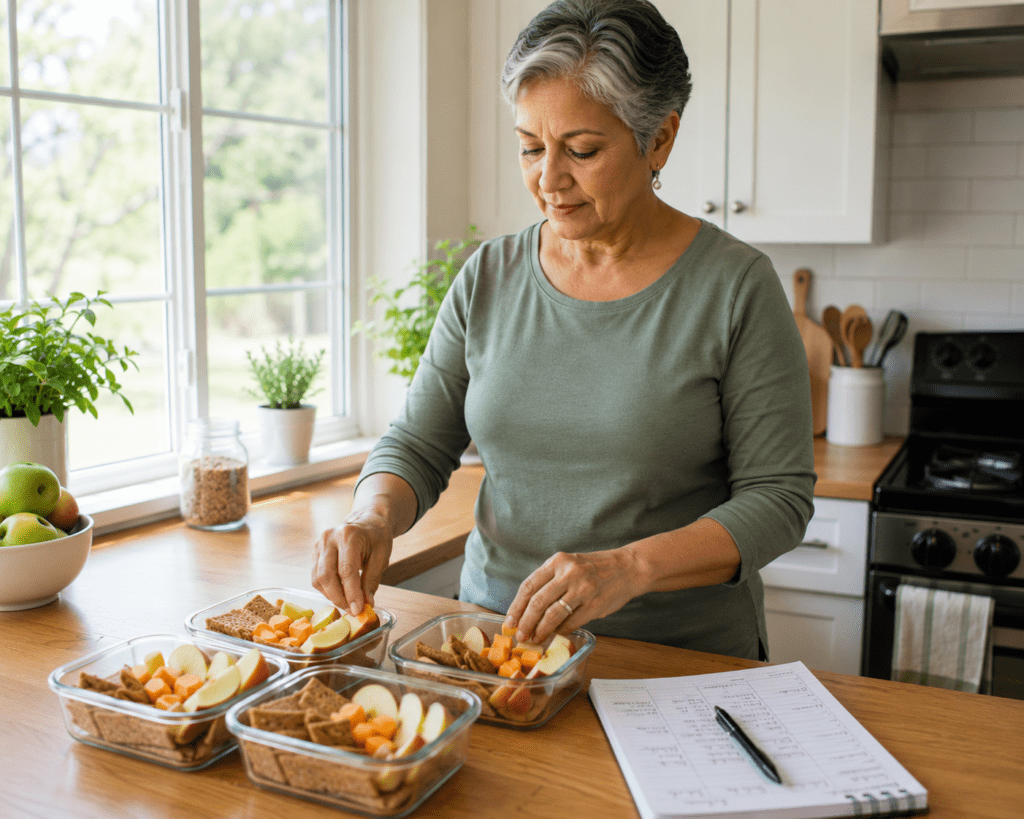
- Whole grain crackers with peanut butter — The complex carbs from the crackers plus the protein and fat from the peanut butter create a slow, steady glucose release.
- A small banana with a handful of almonds — Natural sugars combined with healthy fat and protein make this a perfect balance.
- Greek yogurt with a drizzle of honey — High in protein with a small natural sugar boost. My mom actually loves this one.
- An apple with a small piece of cheese — Simple, portable, and keeps levels even for hours.
- Hard-boiled egg on a slice of whole wheat toast — Especially good if the episode happened close to mealtime.
I also want to mention something I wish someone had told me earlier: pay attention to the signs blood sugar is dropping before it hits critical levels. Catching it early — when levels are around 80 mg/dL rather than 55 — means you can reach for a gentler stabilizing snack instead of an emergency sugar hit. That awareness alone has reduced my mom’s severe episodes dramatically.
What to Eat When Blood Sugar Is Low Naturally for Lasting Stability
Beyond the rescue protocol, I started thinking about what to eat when blood sugar is low naturally in a deeper sense — meaning, how do we use food proactively to keep levels from dropping in the first place? This is where our approach shifted from reactive to genuinely preventive, and where I saw the biggest long-term changes in my mom’s wellbeing.
What I discovered through months of research and experimentation is that blood sugar stability is built meal by meal, day by day. Certain foods and eating patterns create a metabolic environment where crashes become rare rather than routine. The key principles that worked for us were eating smaller, more frequent meals; never skipping breakfast; always pairing carbohydrates with protein or fat; and prioritizing foods with a low glycemic index throughout the day.
Foods that consistently supported her natural stability included:
- Oatmeal with chia seeds and berries — A slow-burning breakfast that keeps levels steady through the morning.
- Leafy greens and non-starchy vegetables — These add fiber and nutrients without spiking or crashing glucose.
- Legumes like lentils and black beans — High in protein, fiber, and complex carbs — an incredible combination for metabolic stability.
- Cinnamon and apple cider vinegar — Both have been studied for their potential to support healthier glucose responses. We add small amounts daily.
- Fatty fish like salmon — Omega-3s support overall metabolic health, and the protein helps maintain steady levels between meals.
How We Built a Daily Routine to Prevent the Crashes
The biggest shift for us wasn’t any single food — it was building a consistent daily routine. I realized that knowing what to eat when blood sugar is low naturally is only half the battle. The other half is building habits that reduce how often you need that rescue protocol at all. We now follow a gentle morning routine that includes a balanced breakfast within 30 minutes of waking, a mid-morning snack, a balanced lunch, an afternoon snack, and dinner at a consistent time each evening. This rhythm alone made an enormous difference.
We also started learning how to prevent blood sugar crashes after eating, which was honestly just as important as knowing how to recover from them. Things like taking a short 10-minute walk after meals, staying well hydrated, and avoiding large gaps between eating all played a role in smoothing out the peaks and valleys in my mom’s glucose readings.
One thing I’ll also mention — because I get asked about it a lot — is that we added a targeted supplement into her routine about eight months ago after I spent weeks researching glucose support formulas. I was looking for something built around actual science and real mechanisms, not just a vitamin cocktail marketed as a miracle. What I found genuinely impressed me, and the consistency it’s added to her readings has been noticeable. I’ll share more about that below, but I want to be clear: it works alongside food and lifestyle, not instead of it.
Understanding what to eat when blood sugar is low naturally is empowering. It transforms a scary, reactive experience into something you can approach with calm, knowledge, and a stocked kitchen. My mom no longer dreads the afternoon slump or overnight dips the way she once did — and a huge part of that peace came from simply knowing what foods to reach for and when. I hope this guide gives you that same sense of calm and control, because you deserve to feel prepared rather than afraid.
❓ Frequently Asked Questions
How long does it take for blood sugar to rise after eating fast-acting carbs?
Blood sugar typically begins to rise within 10–15 minutes of eating fast-acting carbohydrates like glucose tablets, juice, or candy. You should recheck your levels after 15 minutes, and if still low, repeat the 15 grams of carbs.
What should I eat after treating low blood sugar to stop it from dropping again?
After your blood sugar stabilizes, eat a small snack that combines protein with complex carbohydrates — such as peanut butter on whole grain crackers or cheese with a few whole grain crackers. This combination slows digestion and helps maintain stable glucose levels for the next few hours.
Can I use regular candy or soda to treat low blood sugar?
Yes, regular (not diet) soda or candy containing simple sugars can raise blood sugar quickly in a pinch — for example, 4 ounces of regular cola or a few hard candies containing about 15 grams of sugar. Avoid high-fat candy like chocolate bars, since fat slows sugar absorption and delays recovery.
What foods should I avoid when my blood sugar is low?
Avoid high-fat foods like peanut butter, cheese, or chocolate as your first treatment because fat slows how quickly sugar enters your bloodstream, delaying recovery. Also skip diet or sugar-free products, which contain little to no glucose and won’t raise your levels effectively.
How often should someone with hypoglycemia eat to prevent blood sugar crashes?
Eating small, balanced meals every 3–4 hours — combining protein, healthy fat, and complex carbohydrates — helps prevent blood sugar from dropping between meals. Consistent meal timing is one of the most effective daily strategies for avoiding hypoglycemic episodes.
📊 naturalbloodsugartips.com
🔬 See Why Gluco6’s Sukre Ingredient Is Different
Gluco6 is a daily blood sugar capsule with a unique mechanism most supplements completely overlook. Manufactured by Good Mix Naturals in Colorado, sold exclusively through the official site with a ClickBank-backed money-back guarantee.
👉 Claim Your Supply With Free Shipping Today⚠️ Update: Due to high demand, stock is limited. Check availability now.
*Results may vary. Affiliate link.

About the Author — Sarah
I’m not a doctor or nutritionist — I’m a daughter who has been caring for my mother since her type 2 diabetes diagnosis. That journey pushed me to research natural alternatives and evidence-based lifestyle changes. Everything I share comes from that personal mission: to help my mom live better, with more energy and less dependence on medication. Always consult your healthcare provider before making any changes to your treatment plan.
⚕️ Medical Disclaimer: I am not a medical professional. This blog reflects my personal research caring for a family member with diabetes. For informational purposes only — not medical advice. Always consult a qualified healthcare provider.
📚 Scientific References
- Cryer PE, Davis SN, Shamoon H. Hypoglycemia in diabetes. Diabetes Care. 2003;26(6):1902-1912. PMID: 12766131.
- Sacks DB, Arnold M, Bakris GL, et al. Guidelines and recommendations for laboratory analysis in the diagnosis and management of diabetes mellitus. Diabetes Care. 2011;34(6):e61-99. PMID: 21617108.
- Johnston CS, Kim CM, Buller AJ. Vinegar improves insulin sensitivity to a high-carbohydrate meal in subjects with insulin resistance or type 2 diabetes. Diabetes Care. 2004;27(1):281-282. PMID: 14694010.
- Jenkins DJ, Kendall CW, Augustin LS, et al. Glycemic index: overview of implications in health and disease. The American Journal of Clinical Nutrition. 2002;76(1):266S-273S. PMID: 12081850.