
20 Best Foods for Type 2 Diabetes (Backed by Research)
⚡ Quick Answer
The best foods for type 2 diabetes are those that are low on the glycemic index, high in fiber, and rich in antioxidants — including leafy greens, berries, fatty fish, legumes, and nuts. These foods help slow glucose absorption, improve insulin sensitivity, and reduce inflammation. Incorporating them consistently into your daily meals can meaningfully support blood sugar management alongside any treatment plan your doctor has recommended.
📋 Table of Contents
Three years ago, I sat across from my mom at her kitchen table while she stared at a list of medications her doctor had just prescribed. She wasn’t upset about the pills exactly — she was upset because nobody had told her that what was on her plate every single day might have gotten her there. That moment sent me down a research rabbit hole that honestly changed both our lives. I started reading everything I could find about foods for type 2 diabetes, and what I discovered surprised me more than I ever expected.
Mom’s A1C has dropped significantly since we overhauled her kitchen. I’m not a doctor — I want to be clear about that. But I’ve spent hundreds of hours reading peer-reviewed studies, talking to registered dietitians, and experimenting in real life with what actually moves the needle. What follows is my honest, research-informed guide to the foods that have made the biggest difference for us.
Why Food Choices Matter So Much for Type 2 Diabetes
Type 2 diabetes is fundamentally a condition of blood sugar dysregulation — your body either doesn’t produce enough insulin or doesn’t use it efficiently. What you eat directly affects how much glucose enters your bloodstream and how quickly. That means food isn’t just a lifestyle choice for someone managing this condition; it’s genuinely therapeutic. I was surprised to learn how powerfully certain foods for type 2 diabetes could blunt post-meal glucose spikes without any medication at all.
The science points to a few key mechanisms: fiber slows digestion and glucose absorption, healthy fats improve insulin sensitivity, and certain plant compounds — like polyphenols and flavonoids — actually help cells respond to insulin more effectively. When you learn how to combine these, eating becomes a form of medicine. If you’re looking for a structured starting point, a good diabetic diet meal plan can help you put these principles into practice right away.
⚡ Balance Your Blood Sugar with Sugar Defender
Thousands of people are combining these habits with Sugar Defender — a plant-based liquid formula designed to support healthy blood sugar levels and natural energy, without stimulants.
Check Availability Inside the US →The Top 20 Best Foods for Type 2 Diabetes
Best Foods to Manage Type 2 Diabetes
Food choices should complement a diabetes management plan developed with your healthcare provider.
📊 naturalbloodsugartips.com
These are the foods I’ve personally researched and integrated into my mom’s meals. They’re backed by published studies and, more importantly, they’ve worked in our real lives. Many of these are also among the most powerful foods that lower blood sugar according to current nutritional research.
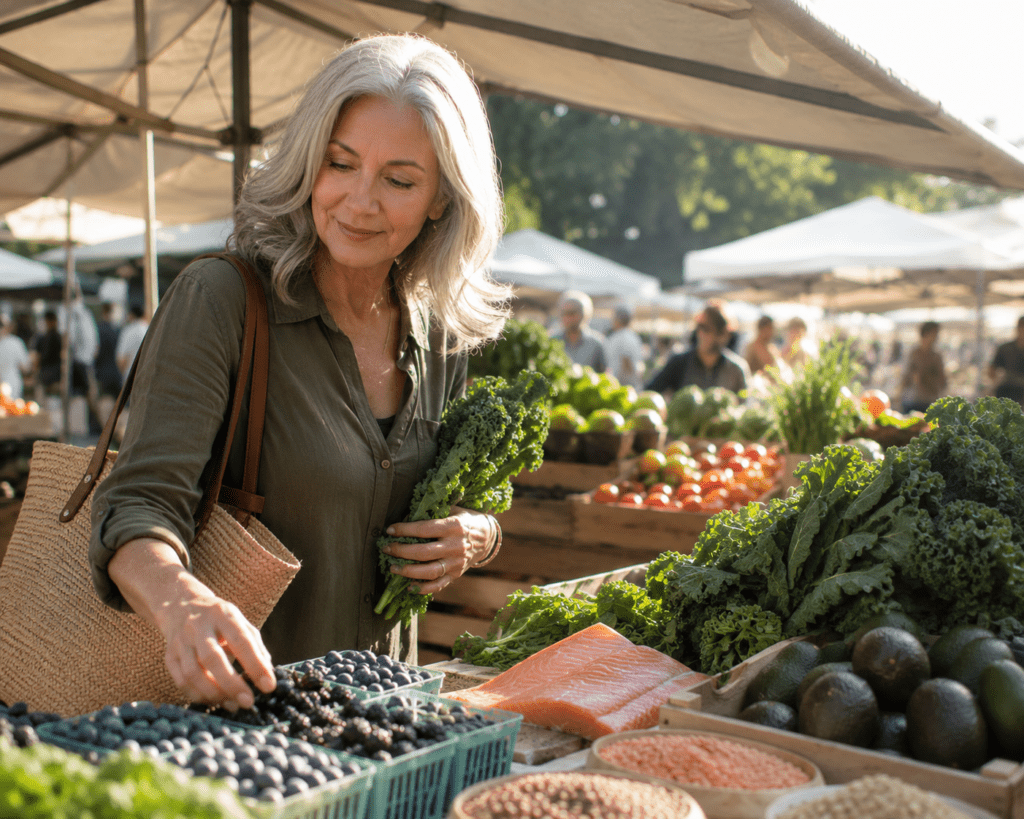
- Leafy greens (spinach, kale, Swiss chard) — Extremely low in digestible carbs and rich in magnesium, which plays a key role in insulin function. Mom has a big spinach salad almost every day now.
- Blueberries and raspberries — High in anthocyanins that improve insulin sensitivity. Studies show regular berry consumption is linked to lower fasting glucose.
- Fatty fish (salmon, sardines, mackerel) — Omega-3 fatty acids reduce inflammation and improve cardiovascular markers, which matter deeply for diabetics. We do salmon twice a week.
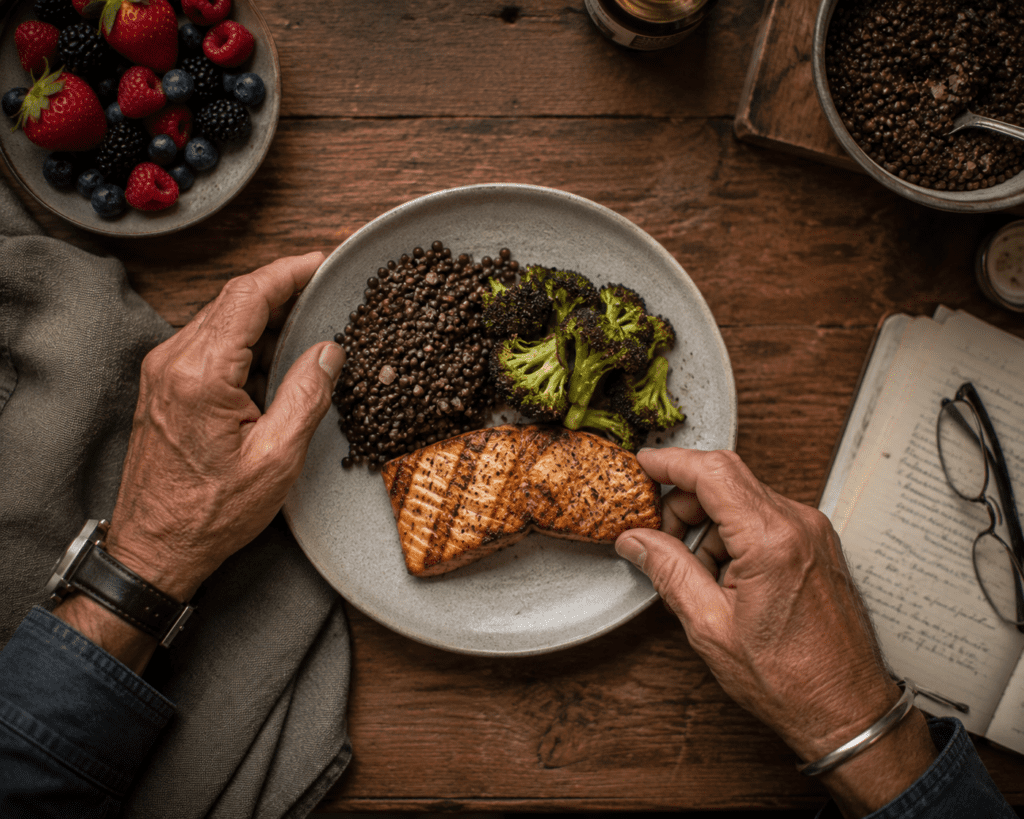
- Lentils and chickpeas — These legumes have a very low glycemic index and are packed with soluble fiber that slows glucose release after meals.
- Walnuts and almonds — A small daily handful has been shown to reduce post-meal blood sugar spikes. The healthy fats also support heart health.
- Avocado — Loaded with monounsaturated fats and fiber. I add it to almost everything now because it genuinely slows digestion and flattens glucose curves.
- Broccoli and broccoli sprouts — Contain sulforaphane, a compound that research suggests may reduce blood glucose and improve insulin resistance markers.
- Oats (steel-cut or rolled, not instant) — Rich in beta-glucan, a soluble fiber that meaningfully lowers post-meal glucose response compared to refined grains.
- Chia seeds — One of my favorite discoveries. Two tablespoons provide 10 grams of fiber and healthy omega-3s. Mixed into yogurt or a smoothie, they make a big difference.
- Greek yogurt (plain, full-fat) — Probiotic bacteria in fermented dairy have been linked to improved glycemic control. Choose unsweetened versions always.
- Flaxseeds (ground) — High in both fiber and lignans, which studies suggest may improve fasting blood glucose in people with type 2 diabetes.
- Apple cider vinegar — Not a food exactly, but 1-2 teaspoons before a meal has demonstrated in clinical trials the ability to lower post-meal glucose by slowing gastric emptying.
- Cinnamon — Research suggests it may mimic insulin and increase glucose uptake by cells. Mom puts it in her oatmeal and coffee every morning.
- Garlic — Contains allicin, which has shown blood-sugar-lowering effects in multiple studies. Easy to add to almost any savory meal.
- Sweet potatoes — Higher in fiber than white potatoes and lower on the glycemic index when eaten with skin on. A much smarter starch swap.
- Black beans — Contain resistant starch that feeds beneficial gut bacteria and blunts glucose spikes. A true staple in our house now.
- Eggs — High-protein, low-carb, and studies show regular egg consumption does not negatively impact glycemic control in most diabetics. They keep Mom full for hours.
- Olive oil (extra virgin) — Polyphenols in EVOO reduce oxidative stress and improve insulin sensitivity. We use it as our primary cooking and dressing fat.
- Fenugreek seeds — An ancient remedy with modern research behind it. Soluble fiber in fenugreek slows carbohydrate absorption and improves glucose tolerance.
- Green tea — Epigallocatechin gallate (EGCG) in green tea has been shown to improve insulin sensitivity. Mom replaced her afternoon soda with green tea months ago.
How to Manage Type 2 Diabetes Naturally Through Diet
Managing foods for type 2 diabetes naturally isn’t about eating bland, joyless food — it’s about building a plate that works with your body’s chemistry instead of against it. The principle I keep coming back to is this: pair every carbohydrate with protein, fat, and fiber. That combination dramatically slows how fast glucose enters the bloodstream. When I started applying this to every single one of Mom’s meals, her post-meal readings improved within a couple of weeks.
Another strategy that made a real difference was identifying which foods actually foods that stabilize blood sugar throughout the entire day, not just at one meal. Consistency matters more than perfection. Eating the same stabilizing foods at regular intervals prevents the highs and lows that wear the body down over time. We also reduced ultra-processed foods dramatically — not eliminating everything fun, but making the default choice a whole food whenever possible.
Learning to manage foods for type 2 diabetes naturally also means understanding your own body’s responses. What spikes one person’s blood sugar may not spike another’s. If you have access to a continuous glucose monitor, even temporarily, it can be incredibly eye-opening. For Mom, white rice was a major offender — but sourdough bread, surprisingly, wasn’t nearly as problematic.
Simple Ways to Add These Foods to Your Daily Routine
I know what you might be thinking — this sounds like a lot to change at once. I felt the same way at first. The key is that you don’t have to overhaul everything overnight. Here’s how I recommend approaching it as someone who’s walked this path with her mom:
- Start with swaps, not subtractions. Replace white rice with cauliflower rice or lentils. Swap your afternoon cookie for a small handful of walnuts and berries. These small changes compound quickly.
- Prep once, eat all week. We batch-cook black beans, roast a big sheet pan of broccoli and sweet potatoes, and hard-boil a dozen eggs every Sunday. Having the right foods ready means you’ll actually eat them.
- Add before you subtract. Instead of focusing on what you can’t have, crowd out the bad stuff by adding more good stuff first. When Mom started eating a big salad before her main meal, she naturally ate less of the higher-glycemic items.
- Use herbs and spices generously. Cinnamon, turmeric, garlic, and ginger aren’t just flavor — they’re functional. We treat them like medicine hiding in plain sight.
- Hydrate strategically. Replacing sugary drinks with green tea, water infused with lemon, or sparkling water with a splash of ACV removed a hidden source of glucose spikes we hadn’t even tracked before.

Putting It All Together: A Sustainable Path Forward
What I’ve learned through this journey with my mom is that managing foods for type 2 diabetes doesn’t require perfection — it requires consistency and intention. The 20 foods on this list aren’t exotic or expensive. Most of them are already in the grocery store you visit every week. The difference is knowing why they matter and being intentional about putting them on the plate, meal after meal.
My mom still sees her doctor regularly and follows her prescribed treatment plan — I want to be clear that none of this replaces medical care. But food has become a powerful, active part of how she manages her condition, and the results have been genuinely moving to witness. Her energy is better. Her numbers are better. And she actually enjoys eating now, which might be the best part of all.
If you’re just starting this journey, be patient with yourself. Focus on progress over perfection. And know that choosing foods for type 2 diabetes naturally is one of the most powerful acts of self-care — or care for someone you love — that you can take. You’ve got this, and you don’t have to figure it all out alone.
❓ Frequently Asked Questions
Which foods for type 2 diabetes lower blood sugar the fastest?
Leafy greens like spinach and kale, along with chia seeds and legumes, are among the fastest-acting foods for stabilizing blood sugar because their high fiber content slows glucose absorption almost immediately. Vinegar-dressed salads eaten at the start of a meal have also been shown in research to blunt post-meal blood sugar spikes.
Can eating certain foods actually reverse type 2 diabetes or just manage it?
Some research, including studies on low-glycemic and Mediterranean-style diets rich in legumes, fatty fish, and non-starchy vegetables, has shown that dietary changes can lead to remission of type 2 diabetes in some people, not just symptom management. Remission is more likely when dietary changes are made early and combined with weight loss, but even long-standing cases often see significant A1C reductions through consistent food choices.
What is the single best fruit to eat if you have type 2 diabetes?
Berries — especially blueberries and raspberries — are consistently ranked as the top fruit choice for type 2 diabetes because they are low on the glycemic index, high in fiber, and packed with anthocyanins that improve insulin sensitivity. Studies show regular berry consumption is linked to lower fasting glucose and reduced inflammation compared to higher-sugar fruits like grapes or bananas.
Are nuts good for blood sugar control in type 2 diabetes?
Yes, nuts such as almonds, walnuts, and pistachios are strongly supported by research for blood sugar control because their combination of healthy fats, protein, and fiber slows glucose absorption and reduces post-meal blood sugar spikes. A 2019 meta-analysis found that regular nut consumption was associated with meaningfully lower fasting blood glucose and improved insulin resistance in people with type 2 diabetes.
How much fatty fish should someone with type 2 diabetes eat per week?
Most research supporting fatty fish for type 2 diabetes — including salmon, mackerel, and sardines — points to two to three servings per week as the threshold at which omega-3 fatty acids measurably reduce inflammation and improve insulin sensitivity. Each serving is typically three to four ounces, and baking or grilling preserves the benefits better than frying.
📊 naturalbloodsugartips.com
🩸 Support Healthy Blood Sugar with Sugar Defender
Sugar Defender combines 8 carefully selected plant-based ingredients to support glucose metabolism, reduce cravings, and boost energy naturally. FTC-compliant, made in a GMP-certified facility.
👉 Claim Your Supply With Free Shipping Today⚠️ Update: Due to high demand, stock is limited. Check availability now.
*Results may vary. Affiliate link.

About the Author — Sarah
I’m not a doctor or nutritionist — I’m a daughter who has been caring for my mother since her type 2 diabetes diagnosis. That journey pushed me to research natural alternatives and evidence-based lifestyle changes. Everything I share comes from that personal mission: to help my mom live better, with more energy and less dependence on medication. Always consult your healthcare provider before making any changes to your treatment plan.
⚕️ Medical Disclaimer: I am not a medical professional. This blog reflects my personal research caring for a family member with diabetes. For informational purposes only — not medical advice. Always consult a qualified healthcare provider.
📚 Scientific References
- Aune D, Norat T, Romundstad P, Vatten LJ. Whole grain and refined grain consumption and the risk of type 2 diabetes: a systematic review and dose-response meta-analysis of cohort studies. European Journal of Epidemiology. 2013;28(11):845-858. PMID: 24158434.
- Esposito K, Maiorino MI, Ciotola M, et al. Effects of a Mediterranean-style diet on the need for antihyperglycemic drug therapy in patients with newly diagnosed type 2 diabetes: a randomized trial. Annals of Internal Medicine. 2009;151(5):306-314. PMID: 19721018.
- Bazzano LA, Li TY, Joshipura KJ, Hu FB. Intake of fruit, vegetables, and fruit juices and risk of diabetes in women. Diabetes Care. 2008;31(7):1311-1317. PMID: 18390796.
- Nettleton JA, McKeown NM, Kanoni S, et al. Interactions of dietary whole-grain intake with fasting glucose- and insulin-related genetic loci in individuals of European descent: a meta-analysis of 14 cohort studies. Diabetes Care. 2010;33(12):2684-2691. PMID: 20693352.