
8 Natural Ways to Lower Systolic Blood Pressure Naturally — What Finally Worked for My Mom
⚡ Quick Answer
To lower systolic blood pressure fast, slow deep breathing (around 6 breaths per minute for 10-15 minutes), a brisk walk, and drinking water if dehydrated can all produce a measurable drop within minutes to a couple of hours. For lasting reductions, combine these quick techniques with longer-term changes like the DASH diet, reduced sodium, regular exercise, and stress management — most people see meaningful improvement within 3 to 4 weeks.
📋 Table of Contents
- Why Systolic Blood Pressure Matters So Much
- Natural Ways to Lower Systolic Blood Pressure Naturally Through Diet
- Movement, Breathing, and Stress Relief
- Fastest Natural Ways to Lower Systolic Blood Pressure
- How to Lower Systolic Blood Pressure Naturally With Herbs and Supplements
- Sleep, Hydration, and Lifestyle Habits That Make a Real Difference
- Frequently Asked Questions
I still remember the afternoon my mom’s doctor looked at us both and said her systolic number had crept up to 148. She wasn’t on any medications yet, but he made it clear that if things didn’t change, she would be. I went home that night and spent hours reading everything I could find about how to lower systolic blood pressure naturally — not to replace her doctor’s advice, but to give her real, practical tools she could start using right away. What I found honestly surprised me. There were so many evidence-backed, gentle approaches that we hadn’t even considered. Over the next several months, we tried them one by one, and the results were encouraging enough that I knew I had to share them.
Why Systolic Blood Pressure Matters So Much
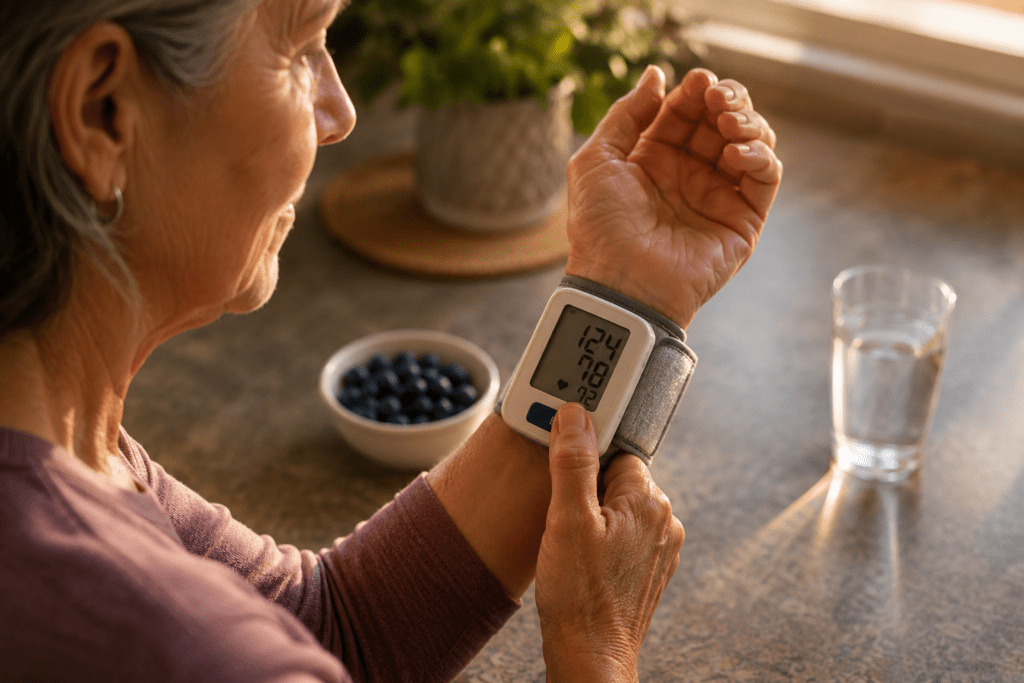
Before I dive into what we actually did, let me quickly explain why that top number — the systolic reading — gets so much attention. Systolic pressure measures the force your heart exerts on artery walls each time it beats. When it stays elevated over time, it puts continuous strain on the heart, arteries, kidneys, and brain. The American Heart Association considers anything consistently at or above 130 mmHg as Stage 1 hypertension. For older adults especially, elevated systolic pressure is one of the strongest predictors of cardiovascular events. So when my mom’s number climbed, I took it seriously — and I’m glad I did.
The good news I discovered is that lifestyle changes can genuinely move that number. Not in a vague, “eat better and exercise” kind of way — but in specific, measurable ways that researchers have actually studied. I was surprised by how much control we had, and how quickly some of these changes started to show up on the home blood pressure monitor we bought.
Natural Ways to Lower Systolic Blood Pressure Naturally Through Diet
8 Natural Ways to Lower Systolic Blood Pressure
Consult your doctor before making significant lifestyle changes, especially if you take blood pressure medication.
📊 naturalbloodsugartips.com
Diet was the first place I looked, and it turned out to be one of the most powerful levers we had. The DASH diet — Dietary Approaches to Stop Hypertension — kept coming up in every credible source I read. It’s not a trendy elimination plan. It’s a research-backed eating pattern that emphasizes whole foods rich in potassium, magnesium, and calcium while cutting back on sodium and saturated fat.
Here’s what we actually changed in my mom’s daily eating:
- Reduced sodium to under 1,500 mg per day — This meant reading labels obsessively at first, swapping canned soups for homemade, and seasoning food with herbs instead of salt. Within three weeks, we noticed a difference.
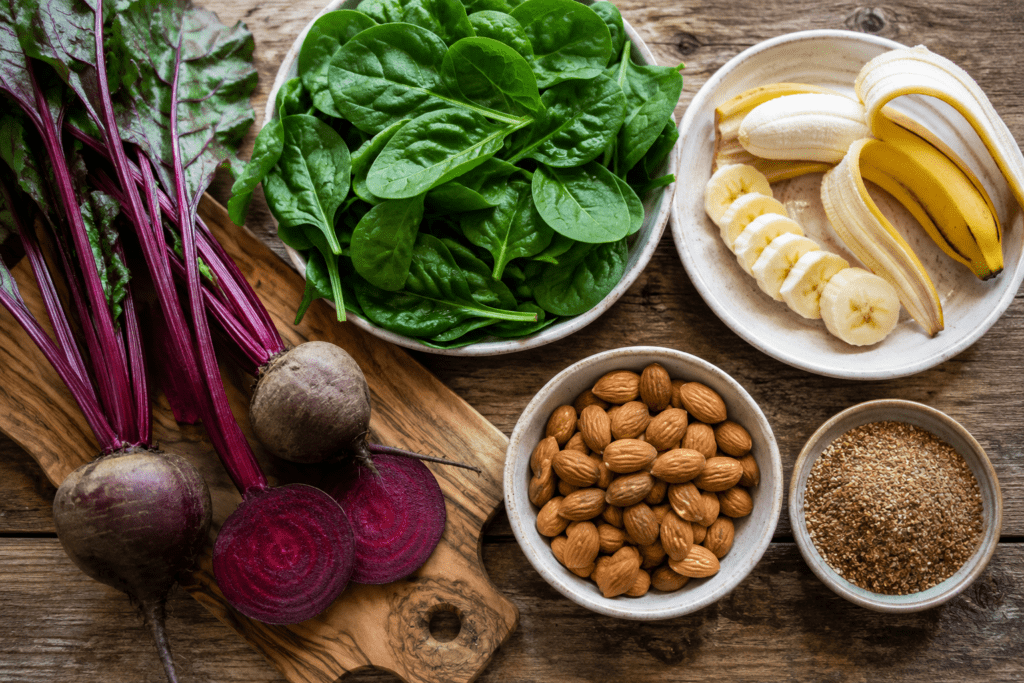
- Added more potassium-rich foods — Bananas, sweet potatoes, spinach, avocado, and white beans all became regulars on her plate. Potassium helps relax blood vessel walls and counteracts the effects of sodium.
- Increased magnesium intake — Pumpkin seeds, dark chocolate (yes, really!), almonds, and leafy greens are all excellent sources. Magnesium plays a key role in blood vessel relaxation.
- Cut back on processed and packaged foods — This single change probably had the biggest impact because it addressed sodium, added sugars, and unhealthy fats all at once.
- Added beet juice or whole beets — Beets are rich in nitrates, which the body converts to nitric oxide — a compound that relaxes and widens blood vessels. I was skeptical, but the research on this one is pretty compelling.
I also learned around this time that carrying extra weight around the midsection is strongly linked to higher blood pressure, and that even modest weight loss can bring systolic numbers down noticeably. If you’re curious about the connection between body composition and heart health, there’s a helpful read on how to lose belly fat lower blood pressure that really helped me understand the relationship.
❤️ Support Your Heart Naturally with Cardio Slim Tea
More people are turning to Cardio Slim Tea as a gentle daily ritual — a carefully blended herbal tea formulated to support healthy blood pressure, cholesterol levels, and natural weight management.
Check Availability Inside the US →Movement, Breathing, and Stress Relief
This was the section of my research that genuinely changed how I thought about blood pressure management. I knew exercise was “good for you,” but I didn’t realize how targeted and immediate the effects could be. Aerobic exercise — even just 30 minutes of brisk walking most days — can reduce systolic pressure by an average of 5 to 8 mmHg in people with hypertension, according to multiple studies. That’s comparable to some medications. We started with short walks after dinner, and my mom actually started to enjoy it.
But what really surprised me was the research on slow, deep breathing. A technique called device-guided slow breathing (breathing at around 6 breaths per minute) has been shown in clinical trials to produce meaningful reductions in systolic pressure when practiced for just 15 minutes a day. We tried a simple version: inhale for 4 counts, hold for 2, exhale for 6. My mom does this before bed, and she finds it helps her sleep better too.

Chronic stress is a real driver of elevated blood pressure, and managing it is part of how to lower systolic blood pressure naturally for the long term. Some things that helped us:
- Gentle yoga and stretching — Even two or three sessions per week seemed to help with both stress and morning blood pressure readings.
- Limiting news and screen time in the evening — This sounds small, but the quality of her sleep improved noticeably when she stopped scrolling before bed.
- Spending time outdoors — Research suggests that exposure to green spaces and natural environments has measurable effects on stress hormones and cardiovascular markers.
Fastest Natural Ways to Lower Systolic Blood Pressure
Everything so far builds toward long-term change, but I know that sometimes you check your numbers and just want to know how to lower systolic blood pressure fast — like right now, before a doctor’s appointment or after a stressful moment. So I want to separate out the techniques that can move the needle within minutes to a couple of hours, based on what actually showed up on our home monitor.
The single fastest tool we found was slow breathing. Sitting quietly and breathing at around 6 breaths per minute for 10 to 15 minutes — the same technique I mentioned earlier — produced a visible drop on the monitor in that same session for my mom, sometimes 5 to 10 points. A brisk 20 to 30 minute walk had a similar effect for a few hours afterward, something researchers call post-exercise hypotension. And if it had been a while since her last glass of water, drinking one or two glasses sometimes brought her numbers down within 30 to 60 minutes, especially on hot days.
One important caveat: these fast techniques are genuinely useful for taking the edge off an elevated reading in the moment, but they’re not a substitute for the daily habits that create lasting change. We always treated lower systolic blood pressure fast tricks as a complement to — not a replacement for — the diet, exercise, and stress management changes covered throughout this article. If a reading is dangerously high or you feel unwell, that’s a reason to contact your doctor, not just try a breathing exercise.
How to Lower Systolic Blood Pressure Naturally With Herbs and Supplements
I want to be upfront: I always cross-referenced what I found here with my mom’s doctor, especially because she takes a few other supplements. But there are some herbs and natural compounds with genuinely interesting evidence behind them. I was careful to look for human clinical trials, not just animal studies.
Here are the ones we looked most closely at:
- Hibiscus tea — Multiple randomized controlled trials have found that drinking hibiscus tea daily produces modest but real reductions in both systolic and diastolic blood pressure. It’s one of the most studied botanicals for this purpose, and we actually enjoy it. If you want to explore more options in this category, there’s a great roundup of herbal teas for heart health that covers several other well-researched options.
- Aged garlic extract — Several studies suggest it may help lower blood pressure by promoting nitric oxide production and relaxing blood vessels. Some people find it easier on the stomach than raw garlic.
- Coenzyme Q10 (CoQ10) — A meta-analysis of several trials found that CoQ10 supplementation may reduce systolic pressure by up to 17 mmHg in some individuals. This one is worth discussing with a doctor, but the evidence is intriguing.
- Omega-3 fatty acids — Found in fatty fish like salmon and mackerel, as well as fish oil supplements, omega-3s have been shown to have modest but consistent blood pressure-lowering effects, particularly at higher doses.
Sleep, Hydration, and Lifestyle Habits That Make a Real Difference
The final piece of the puzzle was looking at the habits that don’t always make the headline lists but have a surprisingly strong impact on blood pressure. Sleep quality is a big one. Poor sleep — especially sleep apnea — is strongly associated with elevated systolic readings. When my mom started prioritizing seven to eight hours of quality sleep and establishing a consistent bedtime routine, her morning readings started trending lower over time.
Hydration is another often-overlooked factor. When you’re mildly dehydrated, your body produces a hormone called vasopressin that can cause blood vessels to constrict. Drinking enough water throughout the day — aiming for six to eight glasses — supports healthy circulation and can help keep blood pressure more stable.
Alcohol reduction made a notable difference for us too. Even moderate alcohol consumption raises blood pressure, particularly systolic. Cutting back to no more than one drink per day — or eliminating it entirely — is one of the more impactful changes a person can make. And if you’re also working on weight and energy, exploring natural ways to boost metabolism can support those goals alongside your blood pressure work, since the two are closely connected.
Limiting caffeine is also worth considering. While the research is mixed, some people are more sensitive to caffeine’s blood-pressure-raising effects than others. If your readings consistently spike after coffee, it may be worth experimenting with switching to lower-caffeine alternatives like green tea or herbal blends and seeing if it makes a difference.
❓ Frequently Asked Questions
What is the fastest way to lower systolic blood pressure?
Slow, deep breathing at around 6 breaths per minute for 10 to 15 minutes can produce a measurable drop in systolic pressure within that same session. A brisk 20 to 30 minute walk and drinking a glass of water if you’re dehydrated can also lower readings within an hour or two.
Can drinking water lower blood pressure quickly?
Yes — if dehydration is contributing to a high reading, drinking a glass or two of water can help lower blood pressure within 30 to 60 minutes by reducing vasopressin, a hormone that constricts blood vessels when the body is short on fluids.
How quickly does exercise lower systolic blood pressure?
A single session of moderate aerobic exercise, like a brisk 20-30 minute walk, can lower systolic blood pressure for several hours afterward — an effect known as post-exercise hypotension. Regular exercise over weeks builds on this for more lasting reductions of 5 to 8 mmHg.
Does breathing slowly really lower blood pressure fast?
Yes — clinical studies on device-guided slow breathing at around 6 breaths per minute show measurable systolic blood pressure reductions after just one 15-minute session, with effects building further over daily practice.
Are there foods that lower blood pressure fast?
Beet juice is one of the fastest-acting foods, with research showing measurable blood pressure reductions within 1 to 3 hours of consumption due to its nitrate content converting to nitric oxide. Bananas and other potassium-rich foods can also help, though their effect builds more gradually with regular intake.
📊 naturalbloodsugartips.com
❤️ Support Your Heart Naturally with Cardio Slim Tea
Cardio Slim Tea combines traditional heart-supporting herbs in a convenient daily tea format — no pills, no harsh chemicals. Just a warm, calming ritual that works with your body’s natural processes.
👉 Claim Your Supply With Free Shipping Today⚠️ Update: Due to high demand, stock is limited. Check availability now.
*Results may vary. Affiliate link.

About the Author — Sarah
I’m not a doctor or nutritionist — I’m a daughter who has been caring for my mother since her type 2 diabetes diagnosis. That journey pushed me to research natural alternatives and evidence-based lifestyle changes. Everything I share comes from that personal mission: to help my mom live better, with more energy and less dependence on medication. Always consult your healthcare provider before making any changes to your treatment plan.
⚕️ Medical Disclaimer: I am not a medical professional. This blog reflects my personal research caring for a family member with diabetes. For informational purposes only — not medical advice. Always consult a qualified healthcare provider.
📚 Scientific References
- Whelton PK, Carey RM, Aronow WS, et al. 2017 ACC/AHA Guideline for the prevention, detection, evaluation, and management of high blood pressure in adults. Hypertension. 2018;71(6):e13-e115. PMID: 29133356.
- Joseph CN, Porta C, Casucci G, et al. Slow breathing improves arterial baroreflex sensitivity and decreases blood pressure in essential hypertension. Hypertension. 2005;46(4):714-718. PMID: 16129818.
- Siervo M, Lara J, Ogbonmwan I, Mathers JC. Inorganic nitrate and beetroot juice supplementation reduces blood pressure in adults: a systematic review and meta-analysis. J Nutr. 2013;143(6):818-826. PMID: 23596162.
- Rosenfeldt FL, Haas SJ, Krum H, et al. Coenzyme Q10 in the treatment of hypertension: a meta-analysis of the clinical trials. J Hum Hypertens. 2007;21(4):297-306. PMID: 17287847.