
How to Lower HbA1c Naturally: What Actually Works (2026)
⚡ Quick Answer
To lower HbA1c naturally, focus on three pillars: a low-glycemic diet rich in fiber and whole foods, consistent moderate exercise (especially after meals), and evidence-backed supplements like berberine, magnesium, and cinnamon. Most people see meaningful HbA1c reductions within 90 days when these strategies are combined consistently. Always work alongside your healthcare provider when adjusting your diabetes management plan.
📋 Table of Contents
- How My Mom’s Diagnosis Changed Everything
- The Diet Changes That Actually Moved the Needle
- Exercise: The Free Medicine Nobody Talks About Enough
- Natural Supplements to Lower HbA1c Naturally — What the Research Says
- What We Use Now — And Why Berberine Patches Changed the Game
- Putting It All Together
- Frequently Asked Questions
How My Mom’s Diagnosis Changed Everything
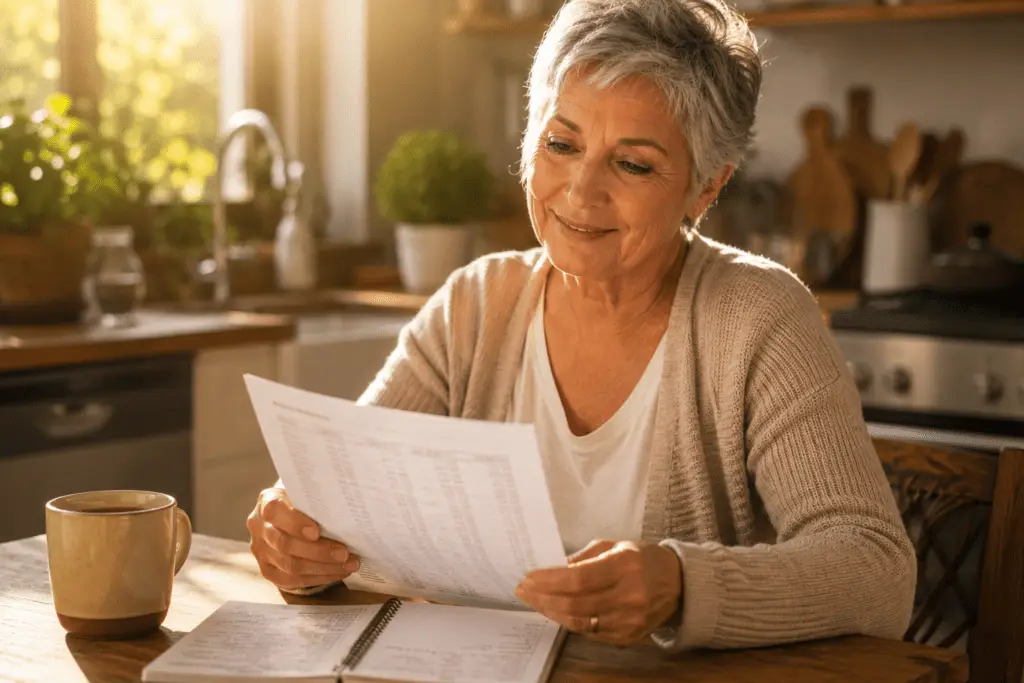
I still remember sitting at my mom’s kitchen table the afternoon she came home from her doctor’s appointment, looking more defeated than I’d ever seen her. Her HbA1c had climbed to 8.4%, and her doctor had gently but firmly suggested it was time to talk about adding another medication. She was already on metformin and managing side effects she hated. She looked at me and said, “Sarah, there has to be another way.” That afternoon launched what I now think of as the most important research project of my life. I’m not a doctor — I want to be upfront about that. I’m a daughter who dove headfirst into medical journals, nutrition science, and community forums to help my mom find a path forward. And what I discovered genuinely surprised me.
What I found, over months of digging, is that there are real, science-supported ways to lower HbA1c naturally — not as a replacement for medical care, but as a powerful complement to it. Mom’s HbA1c dropped from 8.4% to 6.9% over about seven months. Her doctor called it “remarkable.” I want to share everything that worked for us, because I know how overwhelming and hopeless it can feel when the numbers just won’t budge.
The Diet Changes That Actually Moved the Needle
How to Lower HbA1c Naturally
These strategies support healthy HbA1c levels but are not a substitute for medical advice. Always consult your healthcare provider before changing your diabetes management plan.
📊 naturalbloodsugartips.com
The first thing I learned is that not all carbohydrates behave the same way in the body. Mom had been eating what she thought was a “healthy” diet — whole wheat bread, low-fat yogurt, orange juice — but these foods were spiking her blood sugar in ways she didn’t realize. When we shifted to a truly low-glycemic approach, her numbers started changing within weeks. This isn’t about starving yourself or eliminating joy from eating. It’s about being strategic.
Here’s what we changed in her daily eating habits:
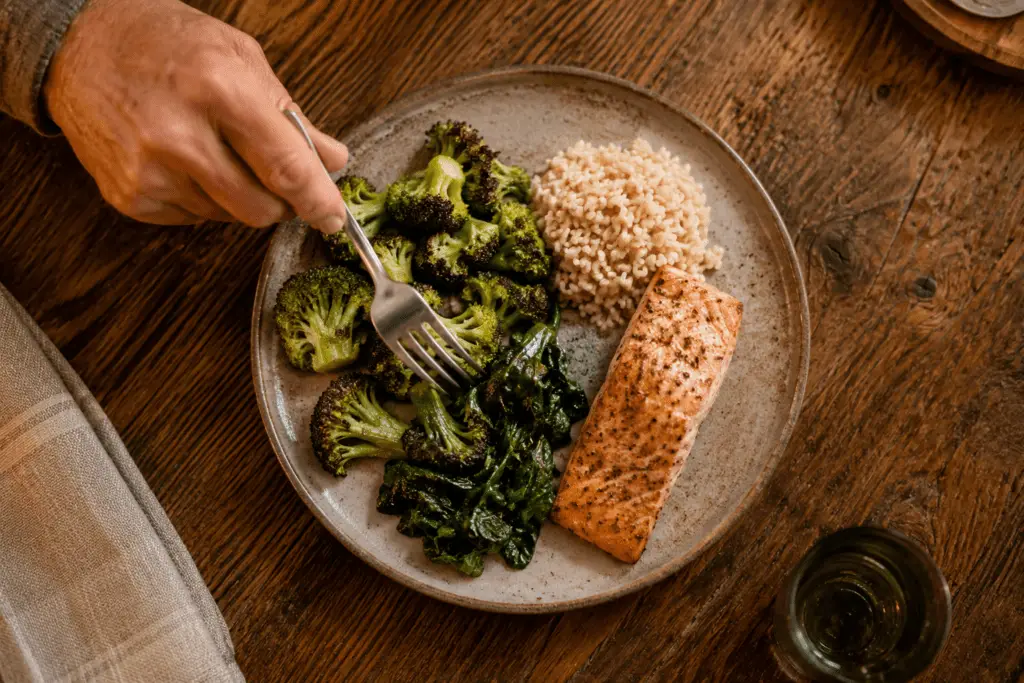
- Swapped refined grains for whole, intact grains — brown rice, quinoa, and barley instead of white bread and pasta. The fiber slows glucose absorption dramatically.
- Added apple cider vinegar before meals — 1–2 tablespoons in water before lunch and dinner. Studies suggest it can reduce post-meal blood sugar spikes by up to 20%.
- Prioritized protein and healthy fats first — eating vegetables and protein before carbs at every meal blunts the glycemic response.
- Eliminated liquid sugars entirely — juice, sweetened coffee drinks, and soda were some of the biggest hidden culprits in her diet.
- Increased non-starchy vegetables to fill half the plate — broccoli, spinach, zucchini, and cauliflower became staples.
If you’re also exploring whether lifestyle changes can go even further, I wrote a detailed piece on how to reverse prediabetes naturally that goes deeper on the diet side of things — it’s worth a read if you or someone you love is in the earlier stages.
Exercise: The Free Medicine Nobody Talks About Enough
I was surprised by how quickly exercise moved mom’s numbers. Not intense gym sessions — she’s in her late 60s and has a bad knee. What made the biggest difference was something almost embarrassingly simple: a 10–15 minute walk after each meal. Research shows that post-meal walking significantly reduces glucose spikes compared to a single long walk at a different time of day. That discovery alone was a game-changer for us.
Beyond walking, we added two other types of movement that research consistently links to lower HbA1c:
- Resistance training 2–3 times per week — Even light resistance bands at home help muscles absorb glucose more efficiently, reducing insulin demand over time.
- Gentle yoga or stretching — This one surprised me. Studies have found yoga reduces HbA1c levels, likely through a combination of stress reduction and improved insulin sensitivity.
Chronic stress is massively underestimated as a driver of high blood sugar. Cortisol directly raises blood glucose, which is why stress management isn’t a “soft” strategy — it’s a clinical one. Mom started a simple 10-minute morning meditation, and we genuinely believe it helped hold the whole plan together.
Natural Supplements to Lower HbA1c Naturally — What the Research Says
This is where I spent the most time researching, and where I felt the most overwhelmed at first. The supplement world is full of noise. But when I filtered down to what has actual clinical evidence behind it, a few things rose to the top. If you want a comprehensive breakdown, this guide on natural supplements to lower HbA1c covers the research in much more detail than I can fit here.
- Berberine — This is the big one. Multiple meta-analyses show berberine can reduce HbA1c by 0.5–1.5 percentage points, comparable in some studies to metformin. It works by activating AMPK, an enzyme that regulates glucose metabolism.
- Magnesium — A shocking number of people with type 2 diabetes are deficient in magnesium, and low levels are directly linked to insulin resistance. Supplementing brought a noticeable improvement for mom.
- Ceylon cinnamon — Not the cassia cinnamon in your spice cabinet, but true Ceylon cinnamon. Research suggests it improves insulin sensitivity and can modestly reduce fasting glucose levels.
- Chromium picolinate — Supports insulin signaling and has shown modest but consistent results in reducing fasting blood sugar in clinical trials.
- Alpha-lipoic acid (ALA) — A potent antioxidant that also improves glucose uptake in cells. It’s especially popular for managing diabetic neuropathy symptoms too.
There’s also strong interest in certain plant-based compounds like bitter melon and gymnema sylvestre. If you want to explore the herbal side further, this article on herbs that lower blood sugar naturally is one of the best resources I’ve found.
🌿 No More Stomach Aches — Try Purisaki Berberine Patches
If you’ve tried berberine capsules and dealt with digestive discomfort, Purisaki Berberine Patches offer a smarter solution — a plant-based transdermal patch that delivers berberine directly through the skin, bypassing digestion entirely.
Check Availability Inside the US →What We Use Now — And Why Berberine Patches Changed the Game
Here’s something nobody warned me about when I first started giving mom berberine capsules: the digestive side effects can be rough. Nausea, cramping, and GI discomfort sent us back to square one more than once, because she’d stop taking it after a few days. I get it — if something makes you feel worse, you stop. That’s when I started looking into transdermal delivery, and I discovered the concept of berberine patches.
The idea makes a lot of sense: instead of passing berberine through the digestive tract where it can cause irritation, a patch delivers it directly through the skin into the bloodstream. Mom has been using Purisaki Berberine Patches for several months now, and the difference in tolerability has been night and day. No stomach upset, no forgetting to take a pill, no GI drama. She just puts one on in the morning and goes about her day. Combined with everything else we’ve built into her routine — the dietary changes, the post-meal walks, the magnesium and cinnamon — this felt like the missing piece that made the whole plan sustainable.
I want to be clear: no single supplement is magic. What worked for us was the combination — the lifestyle foundation plus a berberine delivery method she could actually stick with. But for anyone who has tried berberine pills and given up because of side effects, the patch format is genuinely worth exploring.
Putting It All Together
If there’s one thing I want you to take from everything I’ve shared, it’s this: the ability to lower HbA1c naturally is real, it’s achievable, and it doesn’t require turning your life upside down. It requires consistency, a bit of strategy, and the patience to give your body the 90 days it needs to reflect these changes in your HbA1c numbers (since HbA1c measures a 3-month average). Mom went from feeling helpless to feeling genuinely in control of her health again. Her doctor is now cautiously optimistic about potentially reducing one of her medications next year. That felt impossible eighteen months ago.
Start with diet. Add movement. Address stress. Then layer in the evidence-backed supplements that fill in the nutritional gaps your diet can’t cover. And if you’ve struggled with berberine’s side effects in the past, please look into the patch option — it made berberine finally workable for us. You deserve to feel hopeful about this, because there genuinely is reason to be.
Frequently Asked Questions
- How long does it take to lower HbA1c naturally?
- Because HbA1c reflects your average blood sugar over approximately 90 days, most people begin to see measurable changes after 3 months of consistent lifestyle changes. Some people notice improvements in fasting glucose within weeks, but the HbA1c number itself updates on a 3-month cycle.
- Can berberine really lower HbA1c as effectively as metformin?
- Several clinical trials and meta-analyses have found berberine produces HbA1c reductions comparable to metformin in some patients, typically in the range of 0.5–1.5 percentage points. However, results vary by individual, and berberine should complement — not replace — prescribed medications without your doctor’s guidance.
- What foods lower HbA1c the fastest?
- Foods that consistently help lower HbA1c include non-starchy vegetables, legumes, fatty fish, nuts, seeds, and whole intact grains. Eliminating liquid sugars and refined carbohydrates tends to produce the fastest initial improvement in blood sugar numbers.
- Is it possible to lower HbA1c without medication?
- For some people — particularly those with mildly elevated HbA1c or prediabetes — significant reductions are achievable through diet, exercise, and targeted supplementation alone. Whether this is appropriate for you depends on your current HbA1c level and overall health, so always discuss changes with your doctor before adjusting or stopping medications.
- Why do
🩹 The Smarter Way to Take Berberine — Without the Stomach Pain
Purisaki Berberine Patches combine plant-based berberine with other natural ingredients in a convenient daily patch format — no pills, no stomach upset, no guesswork. Just consistent, gentle support throughout the day.
👉 Claim Your Supply With Free Shipping Today⚠️ Update: Due to high demand, stock is limited. Check availability now.
*Results may vary. Affiliate link.

About the Author — Sarah
I’m not a doctor or nutritionist — I’m a daughter who has been caring for my mother since her type 2 diabetes diagnosis. That journey pushed me to research natural alternatives and evidence-based lifestyle changes. Everything I share comes from that personal mission: to help my mom live better, with more energy and less dependence on medication. Always consult your healthcare provider before making any changes to your treatment plan.
⚕️ Medical Disclaimer: I am not a medical professional. This blog reflects my personal research caring for a family member with diabetes. For informational purposes only — not medical advice. Always consult a qualified healthcare provider.
📚 Scientific References
- References could not be generated. Please add manually from PubMed: pubmed.ncbi.nlm.nih.gov