
10 Foods That Cause Inflammation — And What to Eat Instead

📋 Table of Contents
Why I Started Paying Attention to Inflammatory Foods
A few years ago, my mom was struggling. Her blood sugar was harder to manage, her knees ached every morning, and she just felt tired all the time — that deep, dragging kind of tired that coffee doesn’t fix. Her doctor mentioned inflammation in passing, but no one ever sat down with her and explained what that actually meant for her daily plate. So I started digging. What I found changed everything for our family: the foods that cause inflammation were hiding in plain sight, things we were eating every single day without a second thought.
I’m not a doctor or a dietitian — I want to be upfront about that. I’m just a daughter who spent a lot of late nights reading studies, testing recipes, and watching what happened when we quietly swapped out certain foods. The difference in how Mom felt over the following months was genuinely striking. Her energy came back. Her joints felt better. Her numbers stabilized. And it all started with understanding which foods were quietly fueling the fire inside her body.
If you’re here because you’re dealing with joint pain, fatigue, blood sugar issues, or just a general sense that something is off — I get it. This article is my honest attempt to share what I’ve learned about the most common foods that cause inflammation, and more importantly, what you can reach for instead. Think of this as a conversation with a friend, not a lecture from a textbook.
Chronic inflammation is linked to an alarming number of health conditions — type 2 diabetes, heart disease, arthritis, even certain cancers. The encouraging part is that diet is one of the most powerful levers we have. You don’t have to overhaul everything overnight. Small, consistent changes to what lands on your fork can add up to something remarkable. I’ve seen it firsthand.
Before we dive into the list, I want to mention that I’ve also explored natural remedies for chronic inflammation beyond diet — things like targeted supplements and lifestyle shifts — and found them genuinely helpful as part of a bigger picture. But food is where every conversation should start, so let’s get into it.
🦴 Move Freely Again — Try Joint Genesis
Thousands of people over 40 are discovering Joint Genesis — a daily capsule built around Mobilee®, a patented ingredient shown to support the synovial fluid that cushions and lubricates your joints.
Check Availability Inside the US →The Top Foods That Cause Inflammation You Should Know About
10 Foods That Trigger Joint Inflammation
Reducing these foods may help manage joint pain symptoms, but consult a healthcare provider for personalized advice.
📊 naturalbloodsugartips.com
Let’s start with the big offenders — the ones that showed up repeatedly in everything I read, and the ones that made the most noticeable difference when we reduced them in Mom’s diet.
- Refined sugar and high-fructose corn syrup. These are probably the most well-documented foods that cause inflammation naturally in the body. Sugary sodas, candies, pastries, and even “healthy” granola bars are loaded with them. They spike blood sugar rapidly, which triggers the release of inflammatory cytokines. We replaced Mom’s afternoon sweet with a small handful of berries and dark chocolate — she barely missed the old stuff after a couple of weeks.
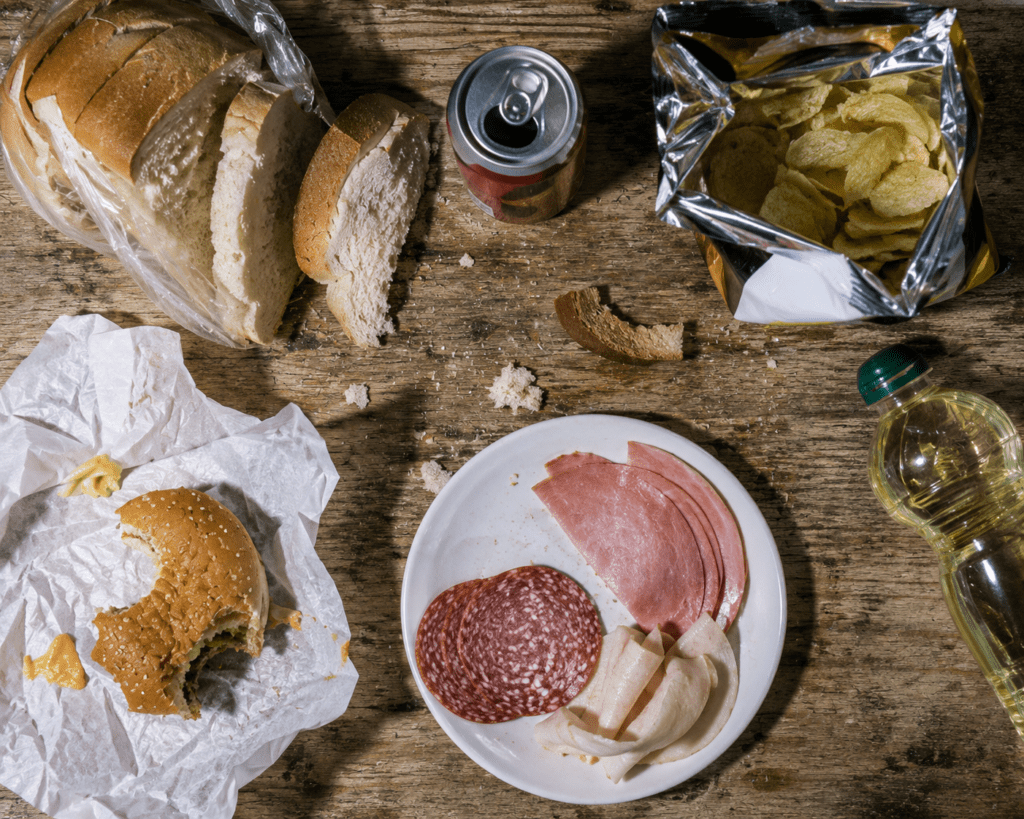
- Refined carbohydrates. White bread, white rice, regular pasta — these behave almost identically to sugar once they hit your bloodstream. They have a high glycemic index, which means rapid glucose spikes and a corresponding inflammatory response. Whole grains are a completely different story, as I’ll explain later.
- Fried foods. French fries, fried chicken, doughnuts — these are typically cooked in refined vegetable oils at very high temperatures, which creates harmful compounds called advanced glycation end products (AGEs) and trans fats. Both are potent drivers of systemic inflammation.
- Margarine and partially hydrogenated oils. Trans fats earned their bad reputation honestly. Even small amounts have been shown to raise inflammatory markers like C-reactive protein (CRP). I was surprised to find them still lurking in certain store-bought crackers and baked goods — always worth checking the label.
- Processed and cured meats. Hot dogs, deli meats, sausages, and bacon contain advanced glycation end products, high levels of saturated fat, and preservatives like nitrates — all of which have been tied to elevated inflammation markers in research studies.
More Sneaky Foods That Cause Inflammation Naturally in Your Body
These next five caught me off guard, because some of them have a health halo — we think of them as neutral or even good. But for many people, especially those already dealing with chronic conditions, these are silent contributors to ongoing inflammation.
- Vegetable and seed oils high in omega-6 fatty acids. Corn oil, soybean oil, sunflower oil, and canola oil are everywhere in processed food. The problem isn’t omega-6 fats themselves — it’s the wildly imbalanced ratio of omega-6 to omega-3 in the modern American diet. That imbalance promotes a pro-inflammatory state in the body. Swapping to olive oil or avocado oil made a meaningful difference for us.
- Alcohol. Moderate or heavy drinking disrupts the gut microbiome, increases intestinal permeability (often called “leaky gut”), and places a significant burden on the liver — all of which contribute to system-wide inflammation. This was a tough conversation to have with Mom, but even cutting back noticeably helped.
- Artificial additives and preservatives. Certain food dyes, artificial sweeteners like aspartame, and preservatives such as BHA and BHT have shown links to inflammatory responses in gut health research. Ultra-processed foods are where these hide most often.
- Dairy (for some people). This one is highly individual. Full-fat conventional dairy, particularly from grain-fed cows, can trigger inflammation in people who are sensitive to casein or lactose. Fermented dairy like plain yogurt or kefir is often much better tolerated and can actually support gut health.
- Fast food and ultra-processed packaged snacks. This is essentially a combination of all the above — refined oils, sugar, refined carbs, artificial additives — packed into one convenient, inflammation-driving package. The convenience is real, but so is the cost to your body over time.
If you’re looking for a more structured way to address this from a nutritional angle, I’ve found that researching the best anti-inflammatory food supplements can complement dietary changes beautifully, especially when certain nutrients are hard to get consistently from food alone.
What to Eat Instead — Anti-Inflammatory Swaps That Actually Work
Here’s the part I love sharing, because it’s genuinely not about deprivation. The anti-inflammatory diet is one of the most delicious ways of eating I’ve ever explored. When we shifted Mom’s diet, she didn’t feel like she was on a diet at all — she felt like she was finally eating real food again.
- Fatty fish like salmon, sardines, and mackerel are loaded with omega-3 fatty acids EPA and DHA, which directly counteract the inflammatory pathways that omega-6-heavy diets activate. Aim for two or three servings per week.
- Colorful vegetables and dark leafy greens — think spinach, kale, broccoli, bell peppers, and beets — are rich in antioxidants and polyphenols that neutralize free radicals and calm inflammatory signaling. The more color on the plate, the better.
- Berries (blueberries, strawberries, blackberries) contain anthocyanins, a powerful class of antioxidants with well-documented anti-inflammatory effects. Mom has them every morning now with a little plain Greek yogurt.
- Extra virgin olive oil contains oleocanthal, a compound that works similarly to ibuprofen in terms of inhibiting inflammatory enzymes — without the side effects. It became our default cooking oil.
- Turmeric and ginger are two of the most researched anti-inflammatory spices on the planet. Curcumin in turmeric and gingerol in ginger have both been studied extensively for their ability to suppress inflammatory markers. We add turmeric to soups, smoothies, and scrambled eggs almost daily.
- Nuts and seeds — especially walnuts, flaxseeds, and chia seeds — provide plant-based omega-3s and fiber, both of which support an anti-inflammatory environment in the gut.
- Legumes and whole grains like lentils, chickpeas, quinoa, and oats provide fiber that feeds beneficial gut bacteria, which in turn produce short-chain fatty acids that help regulate the immune system and reduce inflammation.
If you’re not sure where to start with putting all of this together into actual meals, I’d really encourage you to explore some easy anti-inflammatory meals for beginners — it takes so much guesswork out of the process and makes the transition feel manageable rather than overwhelming.

Building a Life Around Less Inflammation
Understanding which foods that cause inflammation are lurking in your daily routine is genuinely empowering once you get past the initial overwhelm. You don’t have to be perfect. You don’t have to throw out everything in your pantry on a Tuesday afternoon. What matters is direction — consistently moving toward more whole, nutrient-dense foods and away from the processed, sugar-laden, refined-oil-heavy options that dominate the American food landscape.
For Mom and me, it started with one swap a week. First it was olive oil instead of vegetable oil. Then it was berries instead of packaged cookies. Then salmon on Friday nights instead of fried takeout. Slowly, steadily, the plate looked different — and she felt different. Her inflammation markers improved on her lab work. Her joints were less stiff. She had more energy in the afternoons. These weren’t dramatic overnight miracles; they were the quiet, cumulative rewards of paying attention to what foods that cause inflammation naturally were doing to her body, and choosing differently.
I hope this guide gives you a real, practical starting point. Be patient with yourself, be curious, and remember that every meal is a new opportunity to nourish rather than inflame. You’ve got this — and so does your body, if you give it the right tools.
💪 Rediscover Pain-Free Movement with Joint Genesis
Joint Genesis combines Mobilee® hyaluronan matrix with French maritime pine bark, ginger root, boswellia, and BioPerine® — a research-backed formula to support joint comfort, flexibility, and long-term mobility.
👉 Claim Your Supply With Free Shipping Today⚠️ Update: Due to high demand, stock is limited. Check availability now.
*Results may vary. Affiliate link.

About the Author — Sarah
I’m not a doctor or nutritionist — I’m a daughter who has been caring for my mother since her type 2 diabetes diagnosis. That journey pushed me to research natural alternatives and evidence-based lifestyle changes. Everything I share comes from that personal mission: to help my mom live better, with more energy and less dependence on medication. Always consult your healthcare provider before making any changes to your treatment plan.
⚕️ Medical Disclaimer: I am not a medical professional. This blog reflects my personal research caring for a family member with diabetes. For informational purposes only — not medical advice. Always consult a qualified healthcare provider.
📚 Scientific References
- Minihane AM, Vinoy S, Russell WR, et al. Low-grade inflammation, diet composition and health: current research evidence and its translation. British Journal of Nutrition. 2015;114(7):999-1012. PMID: 26228057.
- Calder PC. Omega-3 fatty acids and inflammatory processes: from molecules to man. Biochemical Society Transactions. 2017;45(5):1105-1115. PMID: 28900017.
- Hu FB. Dietary pattern analysis: a new direction in nutritional epidemiology. Current Opinion in Lipidology. 2002;13(1):3-9. PMID: 11790957.
- Giugliano D, Ceriello A, Esposito K. The effects of diet on inflammation: emphasis on the metabolic syndrome. Journal of the American College of Cardiology. 2006;48(4):677-685. PMID: 16904534.