

Simple Diabetic Eating Plan for Beginners: Your Complete Week 1 Guide to Getting Started
⚡ Quick Answer
A diabetic eating plan for beginners focuses on three core principles: choosing low-glycemic whole foods, spacing meals evenly throughout the day, and limiting processed carbohydrates and added sugars. In Week 1, beginners should prioritize building a simple routine around non-starchy vegetables, lean proteins, healthy fats, and fiber-rich complex carbs while keeping portion sizes consistent at each meal.
📋 Table of Contents
- How Our Journey with a Diabetic Eating Plan Began
- What a Diabetic Eating Plan for Beginners Actually Looks Like
- The Foods That Became Our Foundation
- Your Week 1 Beginner Diabetic Eating Plan: Day-by-Day Structure
- Simple Habits That Made the Biggest Difference
- Moving Forward After Week 1
- ❓ Frequently Asked Questions
How Our Journey with a Diabetic Eating Plan Began
I still remember sitting at my mom’s kitchen table, staring at a printout from her doctor that was supposed to explain what she could and couldn’t eat. It was two pages of tiny text, a vague food pyramid, and a whole lot of “limit this” and “avoid that” — but nothing that actually told us what to do on a Tuesday morning when she was hungry and tired and just wanted breakfast. That was the moment I decided to figure this out myself, because the information out there felt either too complicated or too generic to actually help.
What I eventually learned, after months of reading, experimenting, and watching my mom’s numbers, is that a solid diabetic eating plan for beginners doesn’t need to be overwhelming. In fact, the simpler the better — especially in Week 1. The goal isn’t perfection. The goal is building a rhythm that feels sustainable, not punishing.
I’m not a doctor or dietitian — I want to be upfront about that. I’m just a daughter who got deep into research because I love my mom and wanted real answers. What I’m sharing here is what we discovered together, and I hope it gives you that same sense of relief I felt when things finally started clicking.

What a Diabetic Eating Plan for Beginners Actually Looks Like
Week 1 Diabetic Eating Plan for Beginners
Always consult your healthcare provider or dietitian before starting a new eating plan.
📊 naturalbloodsugartips.com
A diabetic eating plan for beginners is not a starvation diet. It’s not about cutting out entire food groups or living on salad. At its core, it’s about understanding how different foods affect your blood sugar and making choices that keep your glucose levels steady throughout the day. When blood sugar spikes and crashes, that’s when cravings hit hard, energy tanks, and long-term damage builds up. The eating plan is designed to smooth that rollercoaster out.
The plate method is one of the easiest frameworks I found, and it’s what we started with in Week 1. Imagine dividing your plate into three sections: half the plate gets non-starchy vegetables, one quarter gets a lean protein, and the last quarter gets a complex carbohydrate. That’s it. No counting calories, no weighing food. Just a simple visual guide that helped my mom understand what balance looked like at every single meal. You can find a deeper breakdown of this approach in a diabetic meal plan for beginners that walks through each day with real meal ideas.
I was surprised by how much the timing of meals mattered too. Eating every four to five hours keeps blood sugar from dipping too low between meals, which prevents the desperate reaching for quick carbs. Three balanced meals with one optional small snack became our daily rhythm, and it made a noticeable difference within the first week.
⚡ Try Gluco6 — The GLUT-4 Blood Sugar Formula
Many people are switching to Gluco6 — created by Dr. Molly Leavitt and built around Sukre, an ingredient that targets the GLUT-4 transport system to move glucose from your bloodstream into your cells more efficiently.
Check Availability Inside the US →The Foods That Became Our Foundation
Once we understood the structure, we needed to know what to actually put on the plate. I discovered that certain foods are particularly powerful for blood sugar management — not because they’re magical, but because they digest slowly, provide sustained energy, and don’t trigger sharp insulin responses. For a thorough overview of what these are, the best foods to include in your plan breaks it all down with practical guidance.
Here are the food categories that formed the backbone of our Week 1 approach:
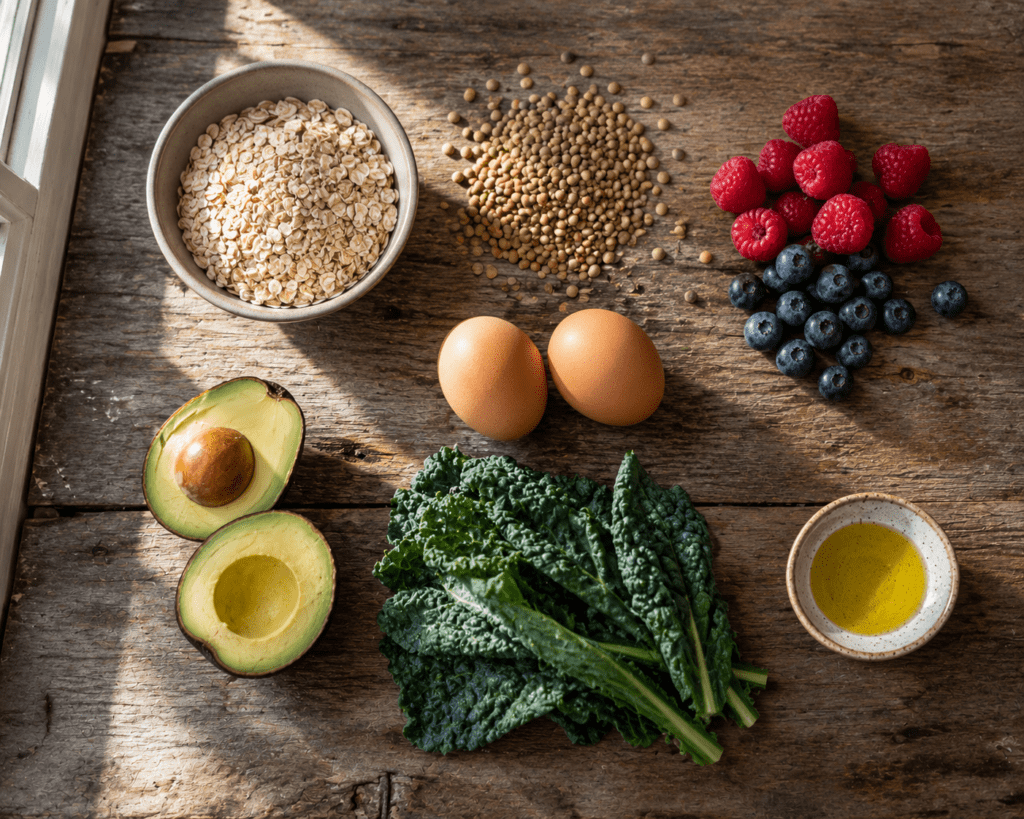
- Non-starchy vegetables: Broccoli, cauliflower, spinach, kale, zucchini, green beans, and bell peppers. These are high in fiber and nutrients while having minimal impact on blood sugar. We filled half the plate with these at every meal.
- Lean proteins: Chicken breast, turkey, canned tuna, eggs, Greek yogurt, and legumes like lentils and chickpeas. Protein slows digestion and helps keep blood sugar stable after meals.
- Complex carbohydrates: Brown rice, quinoa, oats, sweet potatoes, and whole grain bread in modest portions. These release glucose slowly compared to white rice, white bread, or sugary cereals.
- Healthy fats: Avocado, olive oil, nuts, and seeds. A small amount of healthy fat at each meal further slows glucose absorption and helps with satiety.
- Berries and low-glycemic fruits: Blueberries, strawberries, raspberries, and cherries were our go-to sweet options. They satisfy a sweet tooth without spiking blood sugar the way bananas or grapes can.
What we tried to limit in Week 1 included white bread, sugary drinks (even juice), packaged snack foods, and anything with added sugar listed in the first three ingredients. We didn’t try to be perfect — we just tried to make better choices more often than not.
Your Week 1 Beginner Diabetic Eating Plan: Day-by-Day Structure
Rather than prescribing a rigid script for every single meal, what worked better for us was following a flexible daily template. This approach allows you to swap foods based on what you have available without losing the structure. Here’s the simple daily template we followed as our diabetic eating plan for beginners in Week 1:
- Breakfast: A protein plus a complex carb plus a non-starchy vegetable or low-sugar fruit. Example: scrambled eggs with spinach and a slice of whole grain toast, or steel-cut oatmeal with blueberries and a handful of almonds.
- Lunch: The plate method in full — half vegetables, quarter protein, quarter complex carb. Example: large salad with grilled chicken, roasted chickpeas, olive oil dressing, and a small portion of quinoa.
- Dinner: Same plate method. Example: baked salmon with steamed broccoli and cauliflower, plus half a cup of brown rice.
- Optional snack: If hunger hits between meals, pair a protein with a fiber source. Example: apple slices with two tablespoons of almond butter, or a small portion of Greek yogurt with a few walnuts.
We also made a point of drinking water throughout the day instead of juice, soda, or sweetened coffee drinks. Hydration matters more than most people realize for blood sugar regulation, and swapping sugary drinks is honestly one of the fastest wins a beginner can achieve. For a more complete daily framework including shopping lists, the healthy daily eating guide for diabetics is a resource I kept bookmarked on my phone during our first few weeks.
Simple Habits That Made the Biggest Difference
Beyond what was on the plate, a few surrounding habits helped my mom’s blood sugar respond better to the diabetic eating plan we were building. These weren’t dramatic lifestyle overhauls — they were small, consistent actions that compounded over time.
- A short walk after meals: Even ten minutes of gentle walking after eating helps muscles absorb glucose from the bloodstream. I discovered this one in a research article and was honestly shocked at how meaningful a short post-meal walk turned out to be for my mom’s readings.
- Never skipping breakfast: Starting the day with a protein-rich, low-sugar breakfast set the tone for steadier blood sugar all day long. When my mom skipped breakfast, her lunch and dinner blood sugar response was noticeably worse.
- Meal prepping on Sundays: Having vegetables chopped, grains cooked, and proteins ready made it so much easier to follow the plan on busy weekdays when convenience would otherwise push toward less healthy choices.
- Reading labels for hidden sugars: We learned quickly that sugar hides in places like pasta sauce, salad dressings, and yogurt. Looking for added sugars on the nutrition label became second nature within the first week.

Moving Forward After Week 1
If there’s one thing I want you to take from this, it’s that a diabetic eating plan for beginners is about building confidence one week at a time. Week 1 isn’t about being flawless — it’s about learning the rhythm, getting familiar with new food combinations, and noticing how different meals make you or your loved one feel. My mom’s numbers didn’t transform overnight, but within ten days of consistently following this structure, both of us felt something shift. The chaos of mealtimes started to feel manageable, and that hope was everything.
Start simple. Use the plate method. Stick to whole foods as much as possible. Drink your water, take your walks, and give yourself grace when a day doesn’t go perfectly. The most important thing is that you keep showing up, because consistency over weeks and months is what truly moves the needle. You’ve already taken the first step by being here — and that matters more than you know.
❓ Frequently Asked Questions
What should a beginner with diabetes eat for breakfast to avoid a blood sugar spike?
A blood-sugar-friendly beginner breakfast combines protein, healthy fat, and fiber-rich carbs — think eggs with avocado on whole-grain toast or Greek yogurt with berries and chia seeds. Avoiding high-sugar cereals, pastries, and fruit juice in the morning makes the biggest difference in keeping glucose stable for the rest of the day.
How many carbs should a diabetic beginner eat per meal in week 1?
Most beginners do well targeting 45–60 grams of carbohydrates per main meal, though individual tolerance varies based on medication, activity level, and body weight. Focusing on low-glycemic carb sources like legumes, oats, and non-starchy vegetables helps keep that carb budget from spiking blood sugar.
Can a diabetic beginner eat fruit, and which ones are safest?
Yes, fruit is allowed — berries (strawberries, blueberries, raspberries), cherries, and green apples are among the safest choices because they are lower in sugar and higher in fiber. Portion size matters most; a typical safe serving is about half a cup to one cup, eaten with a protein or fat to slow glucose absorption.
How far apart should meals be spaced on a beginner diabetic eating plan?
Spacing meals every 4–5 hours helps prevent both blood sugar spikes from overeating and drops from going too long without food. Eating at consistent times each day also trains the body’s insulin response and reduces the urge to grab high-carb convenience foods out of hunger.
What simple swaps can a beginner make to cut processed carbs without feeling deprived?
Swapping white rice for cauliflower rice or brown rice, replacing white bread with whole-grain or sprouted-grain bread, and using lettuce wraps instead of flour tortillas are easy first-week changes that significantly lower the glycemic load of meals. These substitutions preserve volume and satisfaction while helping blood sugar stay in a healthier range.
📊 naturalbloodsugartips.com
🔬 See Why Gluco6’s Sukre Ingredient Is Different
Gluco6 is a daily blood sugar capsule with a unique mechanism most supplements completely overlook. Manufactured by Good Mix Naturals in Colorado, sold exclusively through the official site with a ClickBank-backed money-back guarantee.
👉 Claim Your Supply With Free Shipping Today⚠️ Update: Due to high demand, stock is limited. Check availability now.
*Results may vary. Affiliate link.

About the Author — Sarah
I’m not a doctor or nutritionist — I’m a daughter who has been caring for my mother since her type 2 diabetes diagnosis. That journey pushed me to research natural alternatives and evidence-based lifestyle changes. Everything I share comes from that personal mission: to help my mom live better, with more energy and less dependence on medication. Always consult your healthcare provider before making any changes to your treatment plan.
⚕️ Medical Disclaimer: I am not a medical professional. This blog reflects my personal research caring for a family member with diabetes. For informational purposes only — not medical advice. Always consult a qualified healthcare provider.
📚 Scientific References
- Evert AB, Dennison M, Gardner CD, et al. Nutrition therapy for adults with diabetes or prediabetes: a consensus report. Diabetes Care. 2019;42(5):731-754. PMID: 31000505.
- Schwingshackl L, Chaimani A, Hoffmann G, Schwedhelm C, Boeing H. A network meta-analysis on the comparative efficacy of different dietary approaches on glycaemic control in patients with type 2 diabetes mellitus. European Journal of Epidemiology. 2018;33(2):157-170. PMID: 29302846.
- Reynolds AN, Akerman AP, Mann J. Dietary fibre and whole grains in diabetes management: systematic review and meta-analyses. PLOS Medicine. 2020;17(3):e1003053. PMID: 32208436.
- Colberg SR, Sigal RJ, Yardley JE, et al. Physical activity/exercise and diabetes: a position statement of the American Diabetes Association. Diabetes Care. 2016;39(11):2065-2079. PMID: 27926890.